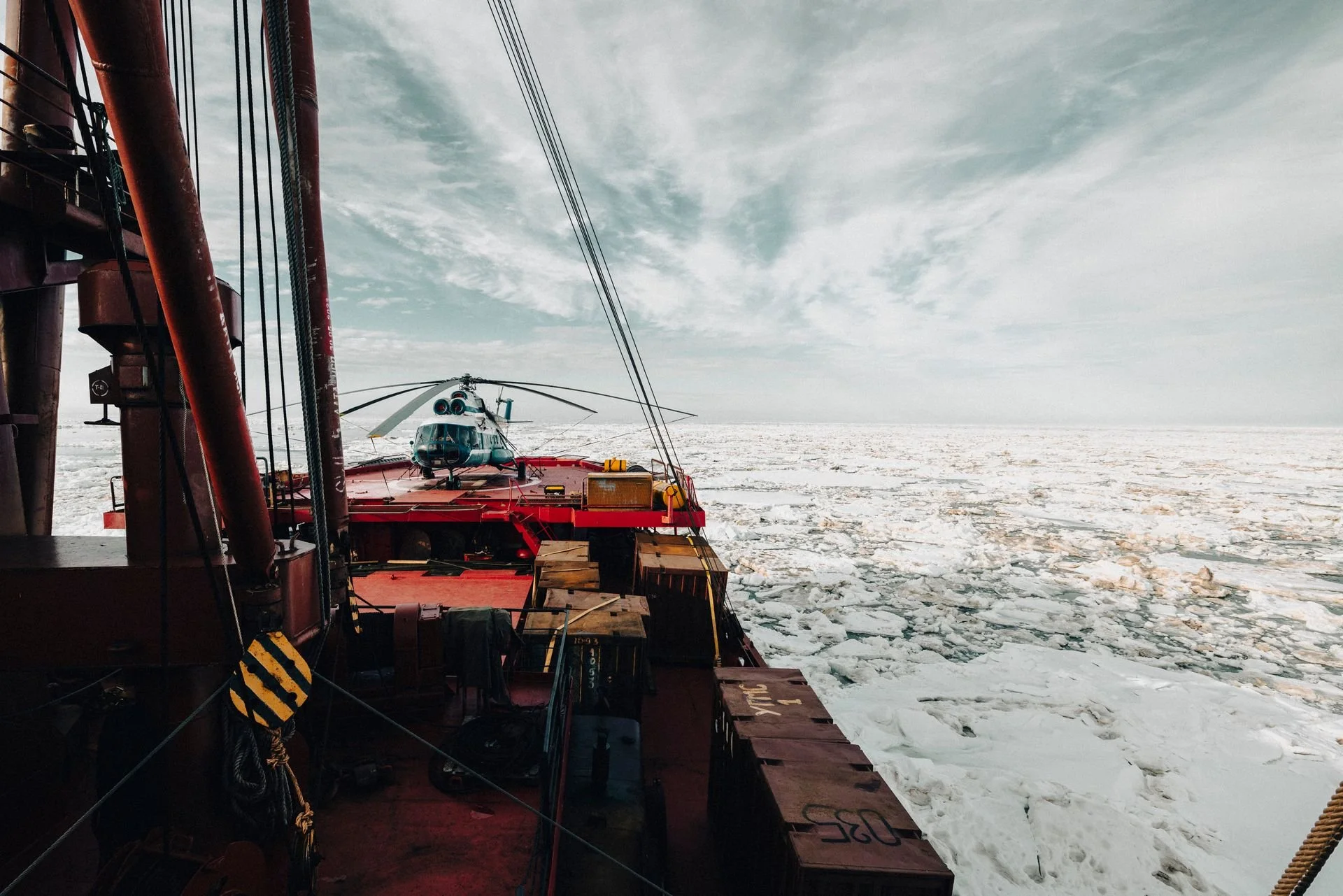
Fears that the Polar Silk Road is an instrument for gaining control in the Arctic or over Greenland mistake what is essentially a slogan for a coherent, centrally-directed strategy. Still, while the slogan is heard less frequently these days, it has not yet fallen into obscurity. Under the right conditions, China might find it useful to defrost the Polar Silk Road.
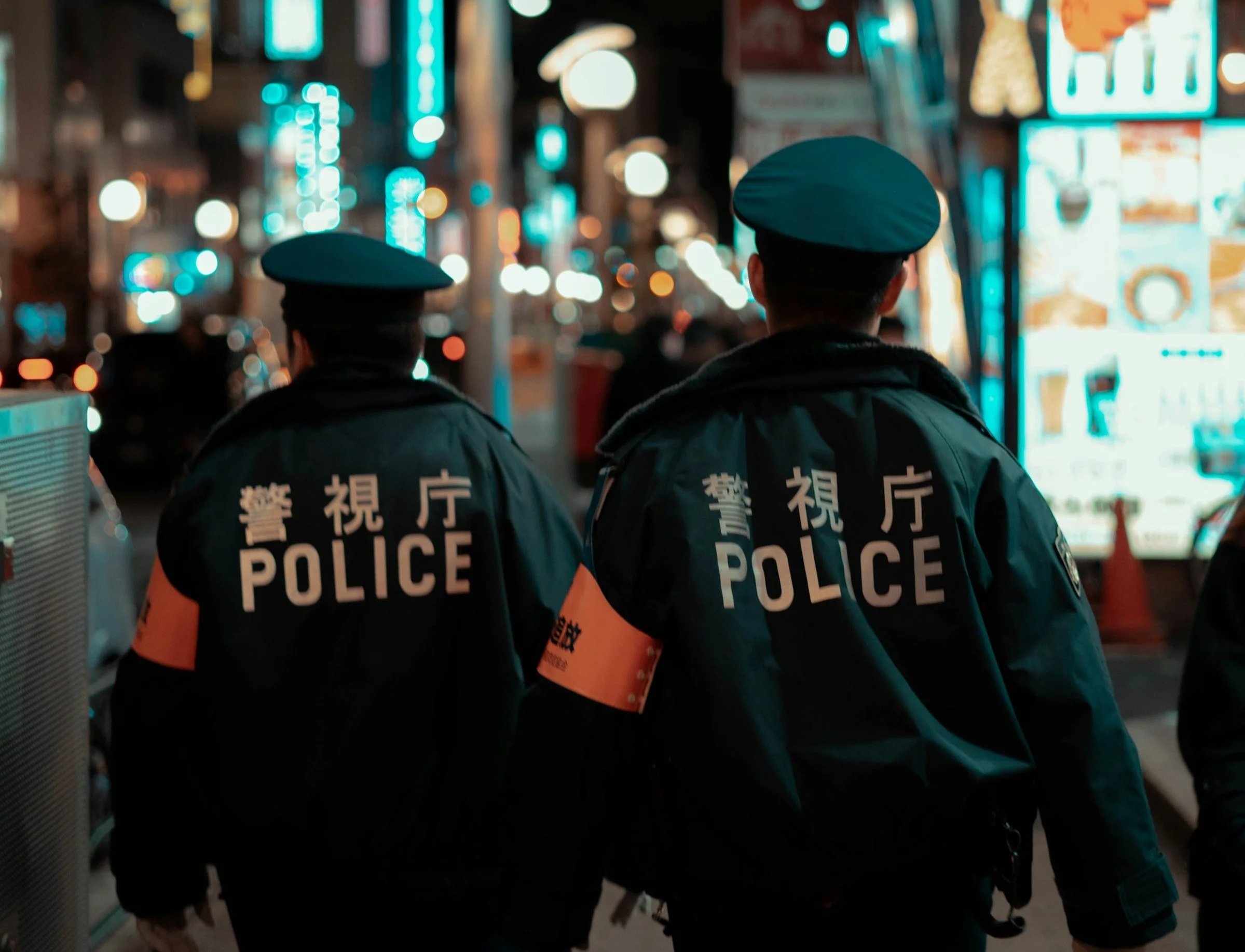
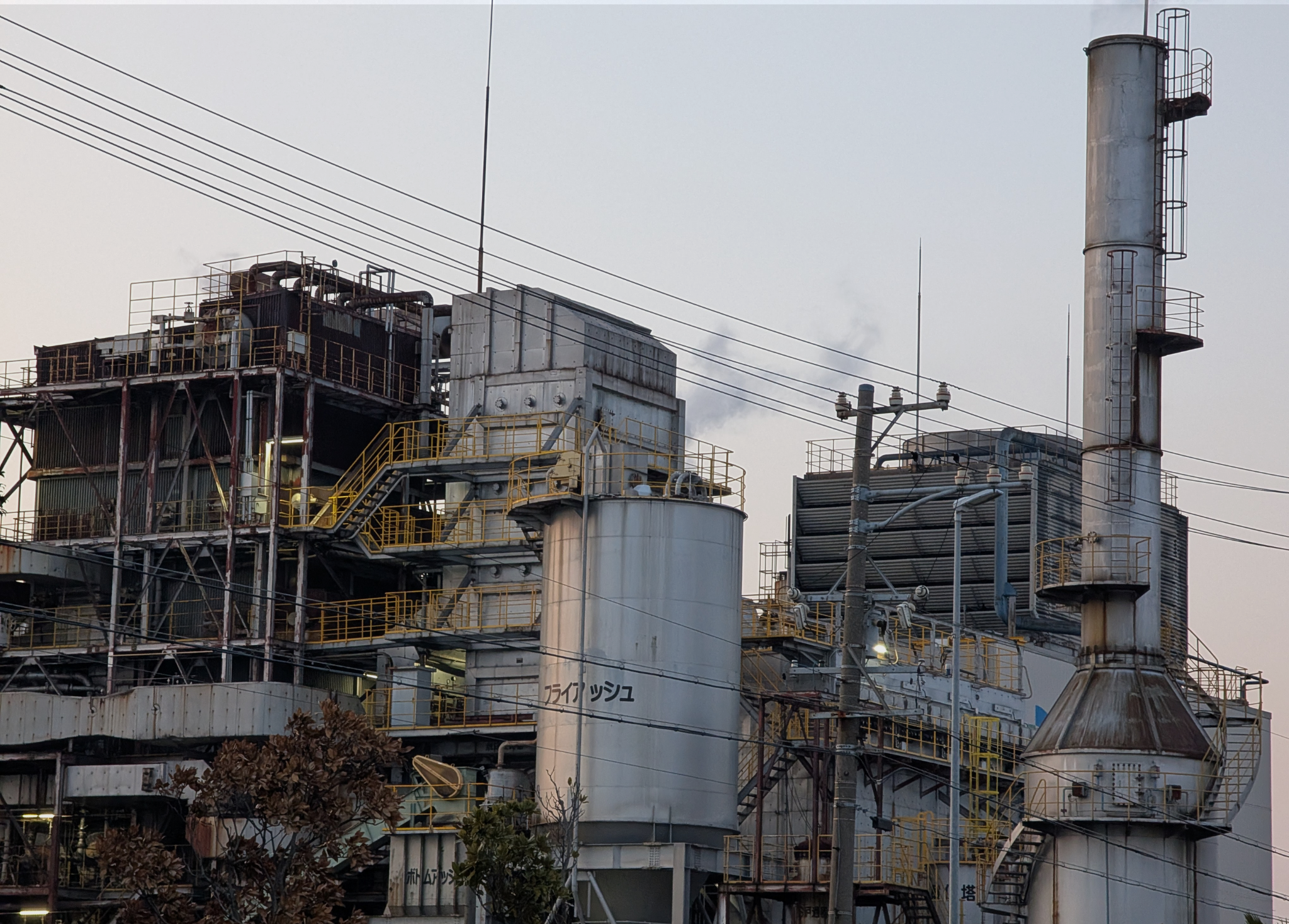
Putin's August 2026 visit to the disputed Kuril Islands, combined with Russia's fortification of the chain and its growing military coordination with China, signals a defensive freeze rather than a springboard for attack. As Japan reorients southwards, the north remains a second front that will not close, a standing cost even if the shot is never fired.
This month’s briefs examine a shifting Indo-Pacific security architecture, where expanding defence partnerships meet growing uncertainty over traditional alliances. New Zealand’s move to acquire strike drones highlights a more operational Pacific security landscape, while South Korea’s experience exposes the limits of “model allyship” with Washington. Alongside this, our regional review explores how states are adapting to a less predictable strategic environment.
Join our briefing today and stay ahead of the curve.
Should a future RN government end up pushing for protectionist policies, New Delhi should work towards diversifying its economic partnerships across other EU member states.
Giving diasporas a working system, proper funding, and, in Vietnam’s case, an actual address turns a sentimental tie into a resource a government can use, whether the goal is investment, skilled return migration, or simply a more organised constituency willing to speak well of home.
The protection of human rights has long been a founding principle of the EU. While the GSP+ programme represents an opportunity to advance this goal, human rights will remain subordinated to other priorities as long as the Commission leverages the programme to extract strategic advantage.
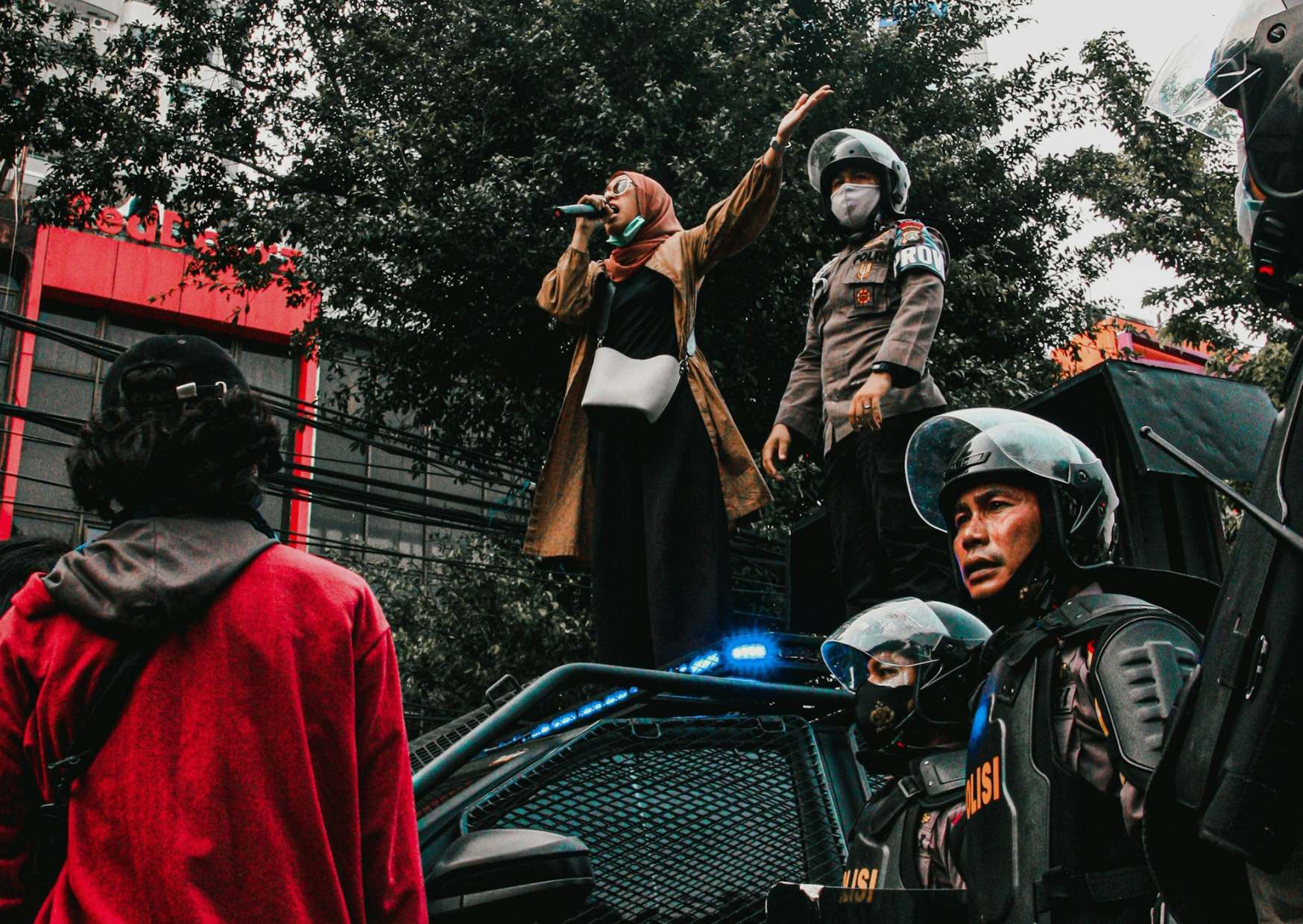
The movement’s success is no longer measured by Pradhan’s resignation. What counts now is the institutional response the movement can compel: an independent NEET investigation, a reform timetable, procedural safeguards, and legal defence for those beaten and detained in July.
If the Indo-Japanese partnership is to fully reflect the principles associated with a Free and Open Indo-Pacific, development efforts should extend beyond strategic and economic considerations to encompass meaningful engagement with the historically marginalised communities of Northeast India.
Written by Grace Corcoran and Aditya Gowdara Shivamurthy
Maritime security presents a high-impact avenue for coordination. Bangladesh possesses one of the most capable armed forces in the region and is the second-largest recipient of Chinese military equipment worldwide.
While diplomacy can reduce immediate risks, longer-term change depends on progress on Kashmir, reductions in cross-border violence, and stronger political support for engagement in both countries. This helps explain why periods of calm have repeatedly proven fragile despite considerable diplomatic effort.
A central weakness in the partnership is the absence of shared operational experience. Unlike US treaty allies, India has not participated in high-intensity contingencies alongside US forces. This limits trust, slows decision-making, and increases the risk of misalignment.
At the international level, India’s carefully cultivated claim to speak on behalf of the Global South is being progressively undermined by its repeated failure to engage substantively with crises that bear directly on the normative principles it has historically espoused.
Deeper and more sustained transnational exchanges could foster new regional identities and solidarities between national protest movements, as well as increase their resilience and capacity for innovation.
Bangladesh no longer intends to operate as a peripheral state within an India-centric security order in South Asia, but as a globally connected security actor seeking to maximise strategic autonomy over its procurement choices, maritime posture, and regional role.
Putin's August 2026 visit to the disputed Kuril Islands, combined with Russia's fortification of the chain and its growing military coordination with China, signals a defensive freeze rather than a springboard for attack. As Japan reorients southwards, the north remains a second front that will not close, a standing cost even if the shot is never fired.
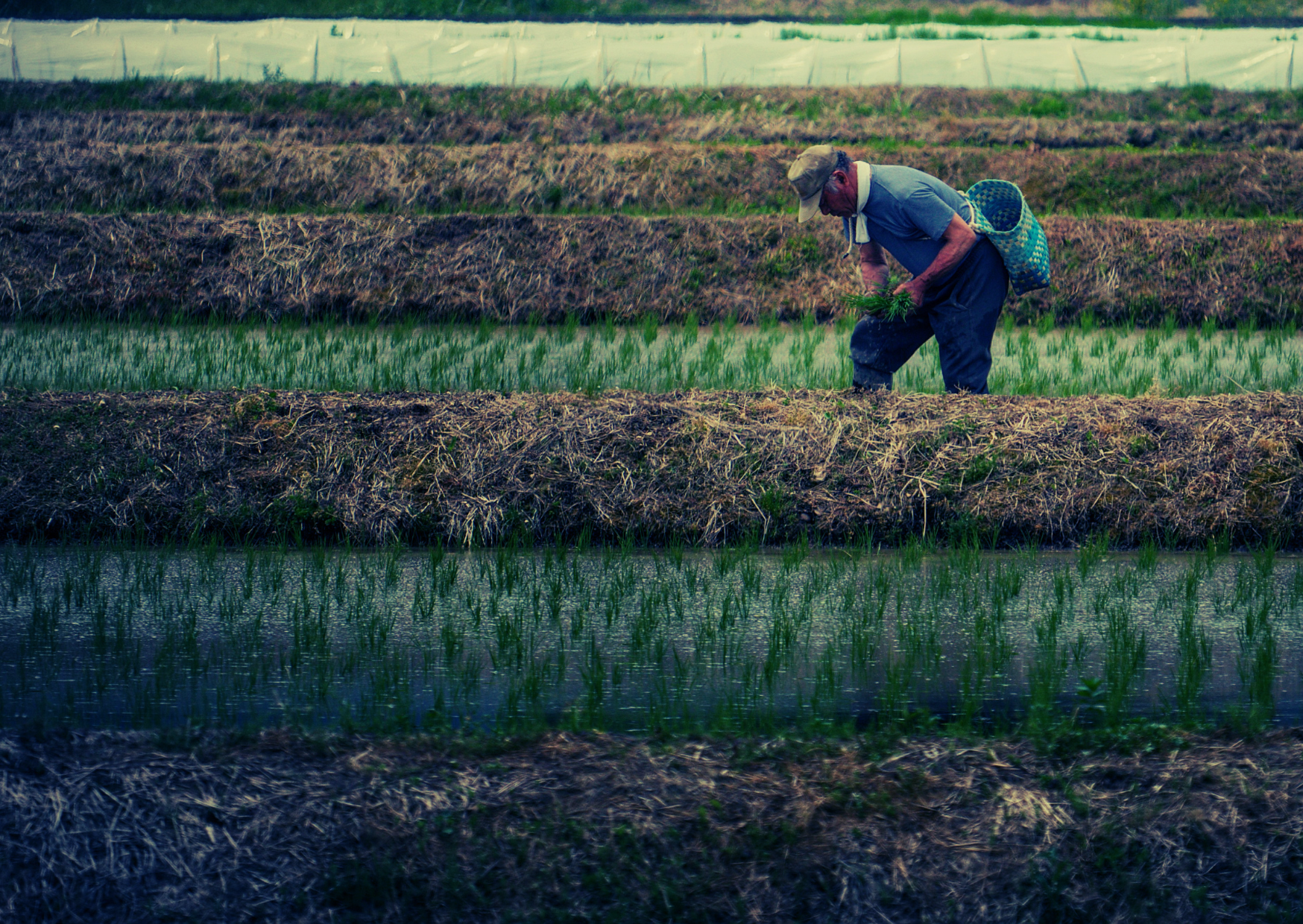
If the Takaichi administration makes the difficult decision to lower rice tariffs or expand import quotas, it could bring down rice prices for Japanese consumers while also strengthening Japan’s partnerships with Southeast Asian rice exporters.
In a first clash, both China and Japan would be learning the most expensive lessons in real time, and the side that adapts faster, not the side with more hulls, would likely prevail.
The lesson for Taiwan is uncomfortable but necessary. The AI shield is not a shield unless it is supported by social resilience, Taiwan's own diplomatic voice, and democratically authorised security policy.
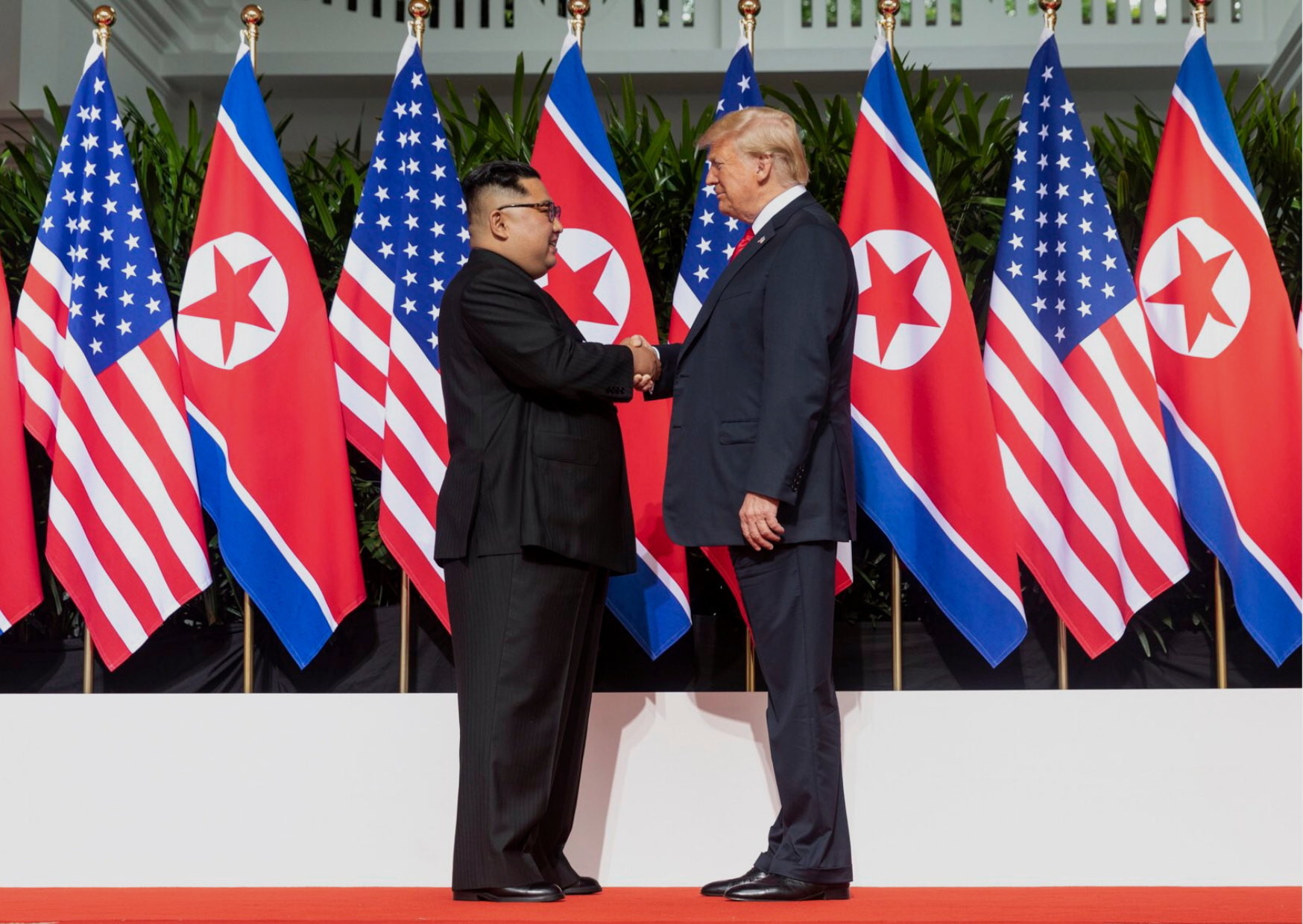
While such dialogue should not be entered into naively, persistent and earnest engagement would allow Washington to proceed cautiously and slowly transform its relationship with the regime in a sustainable fashion that benefits both parties.
If Japan is to navigate rising immigration without fuelling social division, public debate must move beyond simplified crime narratives. When officials discuss crimes by “foreigners” in isolation without historical context or comparisons with overall crime trends and across subgroups, they risk creating an unbalanced narrative and fuelling concerns about xenophobia.
The immediate results of her trip may yield modest concessions, perhaps on tourism or the lifting of restrictions on Taiwanese imports. But without a sustained reduction in military pressure and an end to large-scale exercises, these would be quickly eclipsed.
Just as steel, petrochemicals, and semiconductors once underpinned national resilience, computing power and AI ecosystems define economic and strategic autonomy today.
The dispute with the Philippines was temporarily set aside rather than settled, leaving room for neutrality. Then Beijing brought the same coercive reflex to Manila that it used everywhere. The failure was not China’s refusal to yield its claims, but its inability to adopt softer tactics.
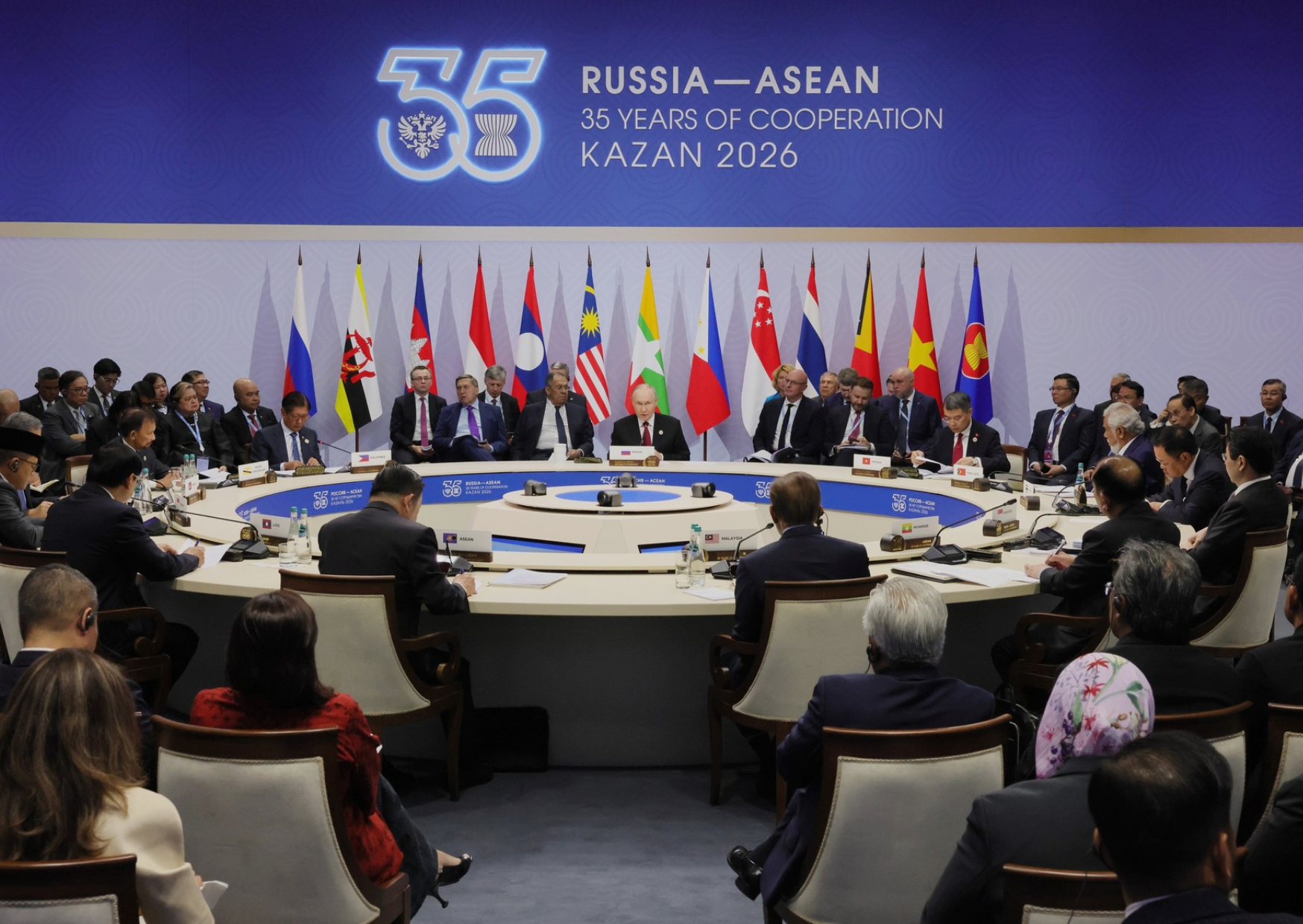
The recent Russia-ASEAN Summit is only the latest example of a more diffuse and loosely organised world order, in which Washington plays a less central role, and its rivals are calling the shots. While this emerging multipolar order is currently fuelling regional anxieties of instability and conflict in Southeast Asia, it is likely to be the new normal.
Written by Athena Charanne Presto and Maria Tanyag
The Philippines has had real regional influence on gender equality, supported by a long lineage of female diplomats, policymakers, and civil society leaders who have helped shape ASEAN’s gender equality architecture since its early years.
If other middle powers in the Indo-Pacific follow Jakarta’s stance in resisting formal alignment, the region may become one where multilateral cooperation works in peacetime but falls short in crises, including grey zone escalation.
The regime’s institutional architecture is designed for continuity, but the energy crisis has introduced a level of volatility that requires a more agile and transparent response than the regime’s patronage-driven conservative roots traditionally allow.
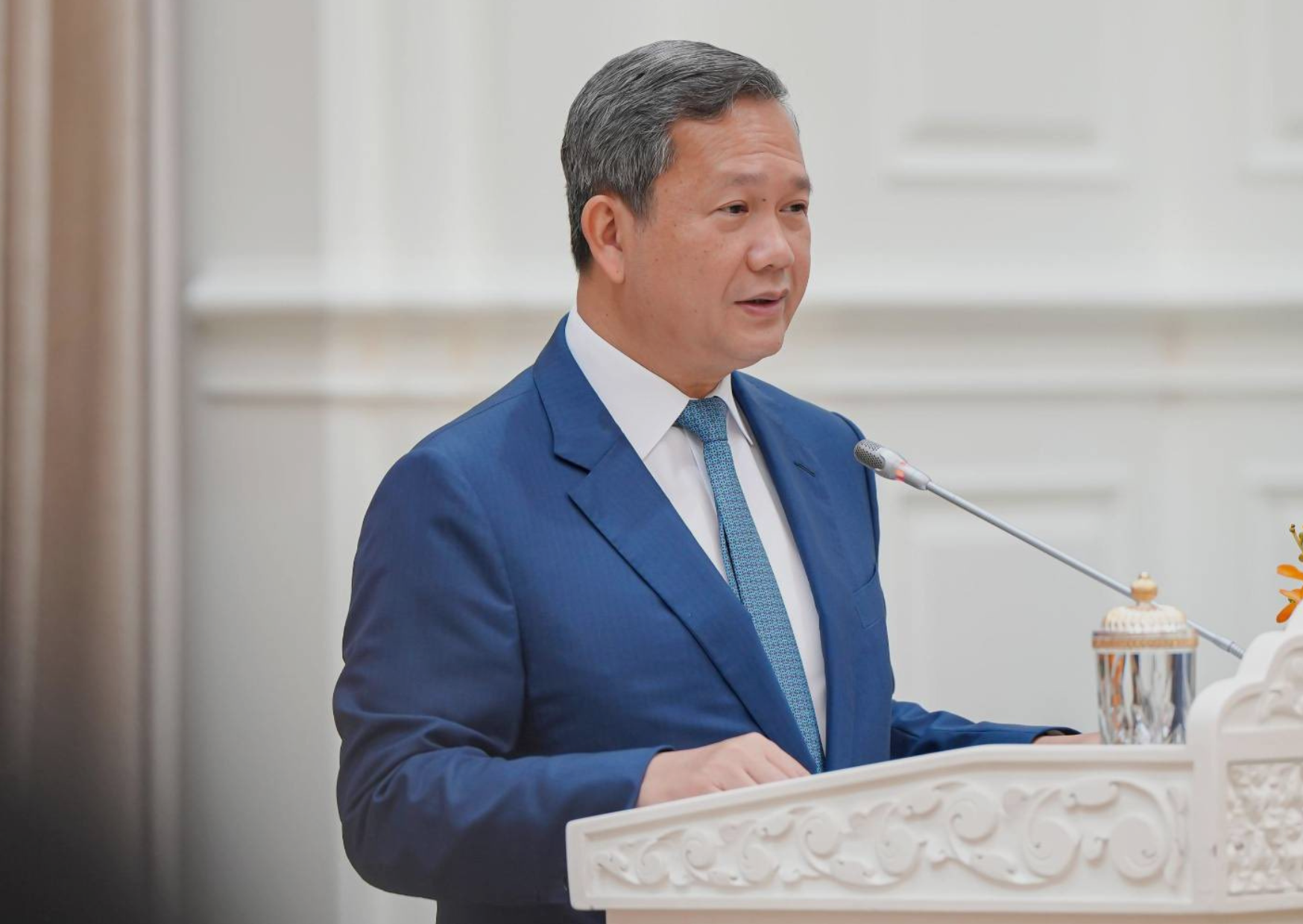
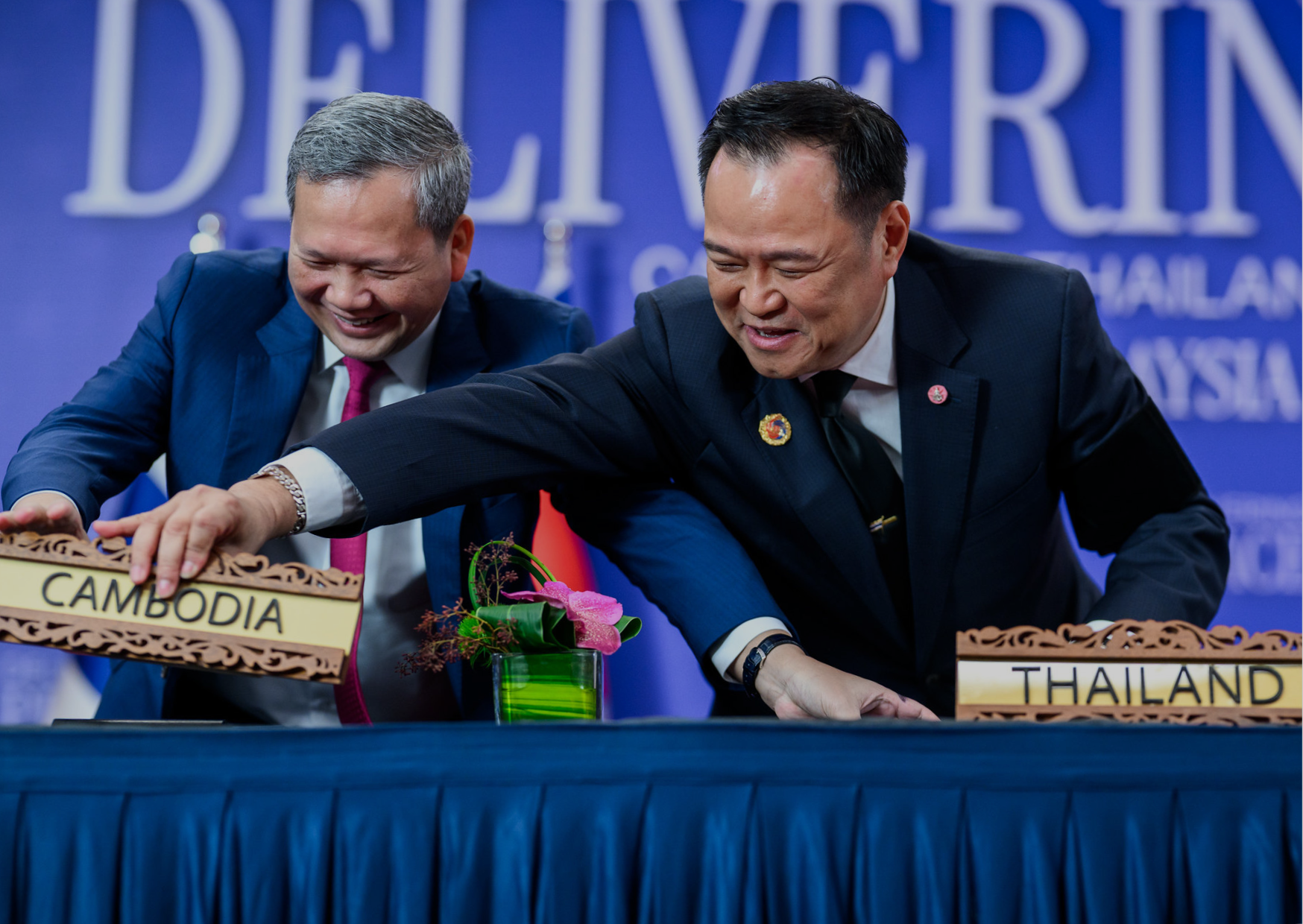
Cambodia’s partners would do well to start seeing it for what it is: a small state with its own interests, its own history, and no good options — only hard choices.
For the first time in years, Ottawa is treating the Indo-Pacific not as a region of opportunities to sample but as a theatre in which it must choose where to invest.
Trump should decisively establish his administration’s approach to competition with China by issuing his own Interim National Security Strategic Guidance document and endorsing it in a televised speech from the Oval Office.
For South Korea, the persistent threat from North Korea remains a priority, making it reluctant to allocate resources to security concerns beyond the peninsula. Australia can bolster Seoul’s confidence by reaffirming its commitment to peninsular security.
The Quad’s role is clearer in 2024 than in 2017 or 2007. It coordinates and ensures the provision of public goods in an era of great power competition that is about much more than just traditional hard power security.
While the ISA Council could not agree on regulations, it did agree that it would from now on have oversight over the seabed mining application process instead of the ISA’s exclusive Legal and Technical Commission.
Prime Minister Manele is a career diplomat and is not given to the theatrical rhetoric we saw previously from his predecessor. He is a known quantity in the region and further afield in Canberra, Wellington, Beijing, and Washington.
China is not just bullying its SCS neighbours but is also targeting those perceived to impede its regional dominance, with the United States Navy (USN), Japan Self-Defense Force, and even Canada having been subjected to risky encounters.
Should a future RN government end up pushing for protectionist policies, New Delhi should work towards diversifying its economic partnerships across other EU member states.
The protection of human rights has long been a founding principle of the EU. While the GSP+ programme represents an opportunity to advance this goal, human rights will remain subordinated to other priorities as long as the Commission leverages the programme to extract strategic advantage.
Europe, facing a myriad of diplomatic and economic pressures from China and lacking a unified centre, is increasingly engaging in self-containment on China policy — exemplified by Germany and the Czech Republic denying transit to Taiwan's president in April 2026.
Going forward, the success of India-EU defence cooperation hinges on whether Paris and Berlin can set aside their differences and prioritise the broader strategic picture of ensuring European strategic autonomy.
In a bid to power green and digital transitions, Europe is struggling with its dependence on Chinese exports that expose it to coercion, industrial disruption, and geopolitical pressure.
Europe must communicate clear thresholds and move forward with its own integrated drone defence, or risk allowing Russia’s grey-zone drone activity to become the new normal.
Crucially, countering cognitive warfare is not just about timely dissemination of factual counter-narratives. It must also build each citizen’s defences against disinformation — making them more skeptical of the information they receive and willing to actively verify it or debunk it.
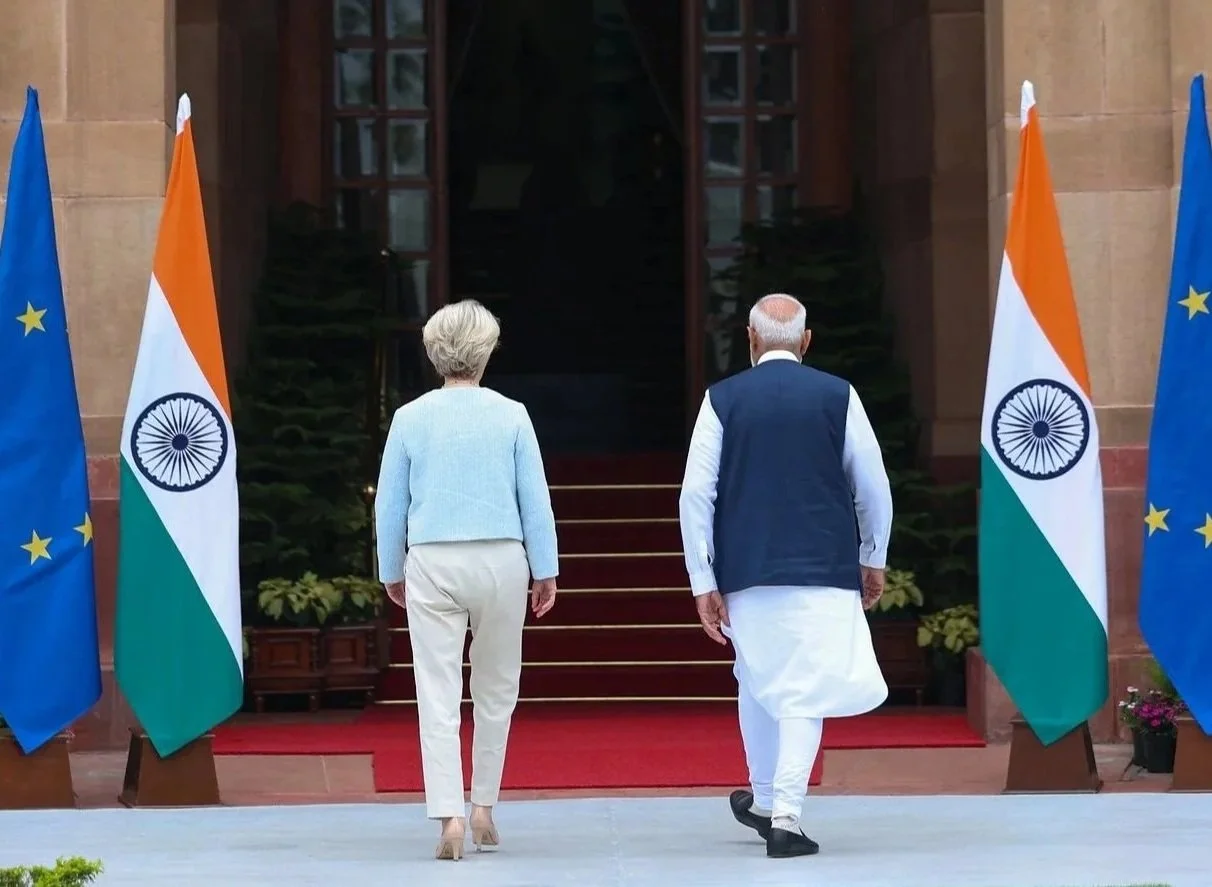
If the EU and India choose realism over rhetoric and build trust not only between governments but also among businesses, innovators, and people, the 2026 Summit could mark a genuine turning point — one where strategic clarity finally replaces political symbolism.
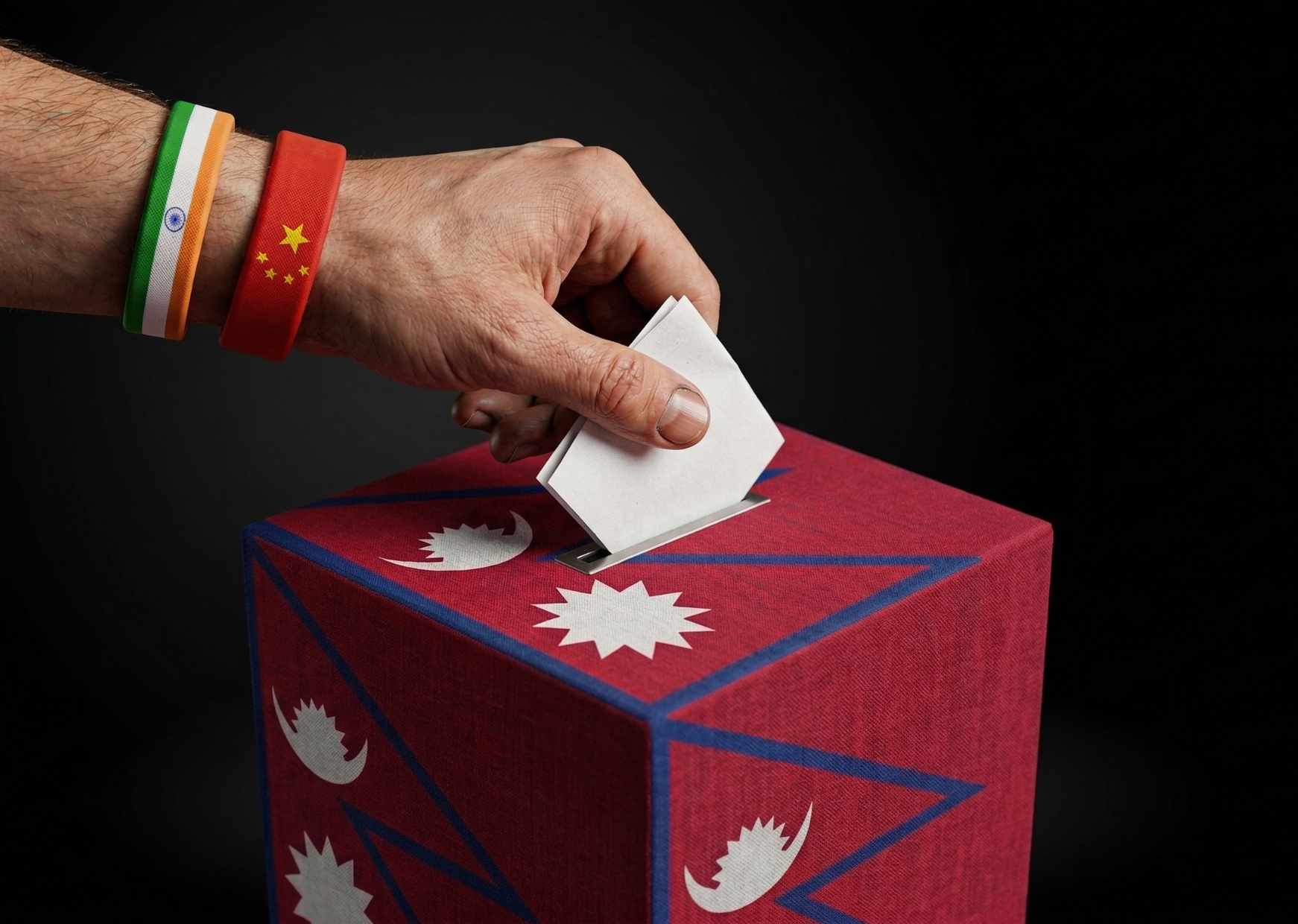
Nepal’s 2026 elections have not fundamentally altered the structural realities of its foreign policy, but they have introduced Gen Z as a new political actor that could reshape how external influence is exercised.
Reform has failed not through a lack of effort, but through a lack of will, as dismantling the system of authoritarian constitutionalism would directly undermine the CPP’s hold on power.
Many Nepalese are frustrated and disenchanted with the current political situation and poor government performance. But returning to a constitutional monarchy would be a regressive, authoritarian step, not a path toward democracy.
A more fundamental security challenge may emerge from the Trump administration’s evolving defence posture, which could reorient US global military priorities, including troop deployments in South Korea, to better deter China.
Bangladesh’s historical pro-India stance under Hasina is likely to diminish under the new interim administration due to Touhid’s critical views on India over issues like alleged border killings and the need to balance geopolitical partners.
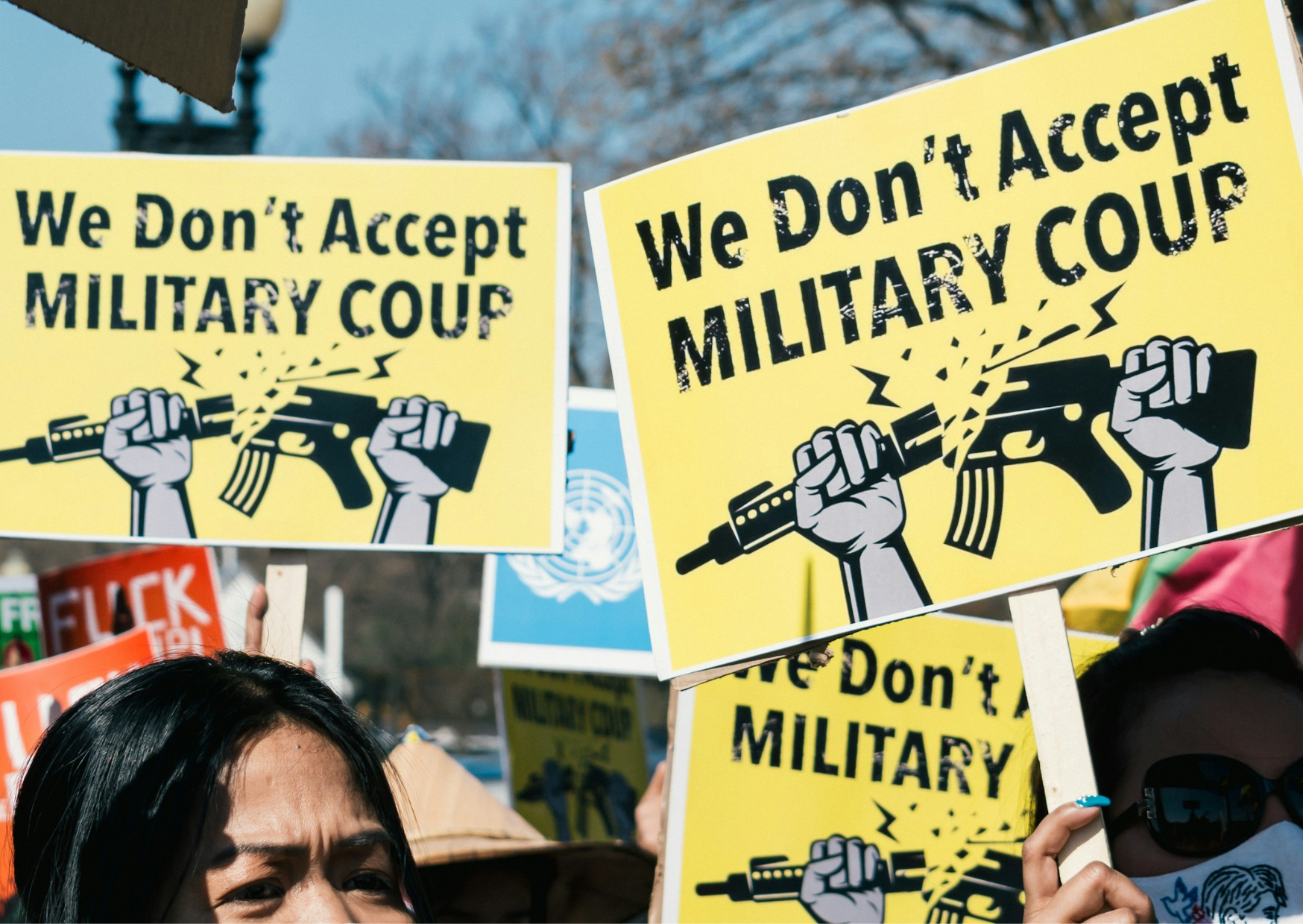
The persistent influence of the military and entrenched oligarchies continues to subvert the will of the electorate, creating a hybrid political system where democratic processes are overshadowed by authoritarian interventions.
Ultimately, given the dire economic and debt situation facing the island, the victorious candidate and his party will have little choice but to balance relations with major powers like India, China, and the United States.
In short, this reform makes the LY a super-powerful institution that raises concerns about undermining the separation of power and thus checks and “imbalances”.
Giving diasporas a working system, proper funding, and, in Vietnam’s case, an actual address turns a sentimental tie into a resource a government can use, whether the goal is investment, skilled return migration, or simply a more organised constituency willing to speak well of home.
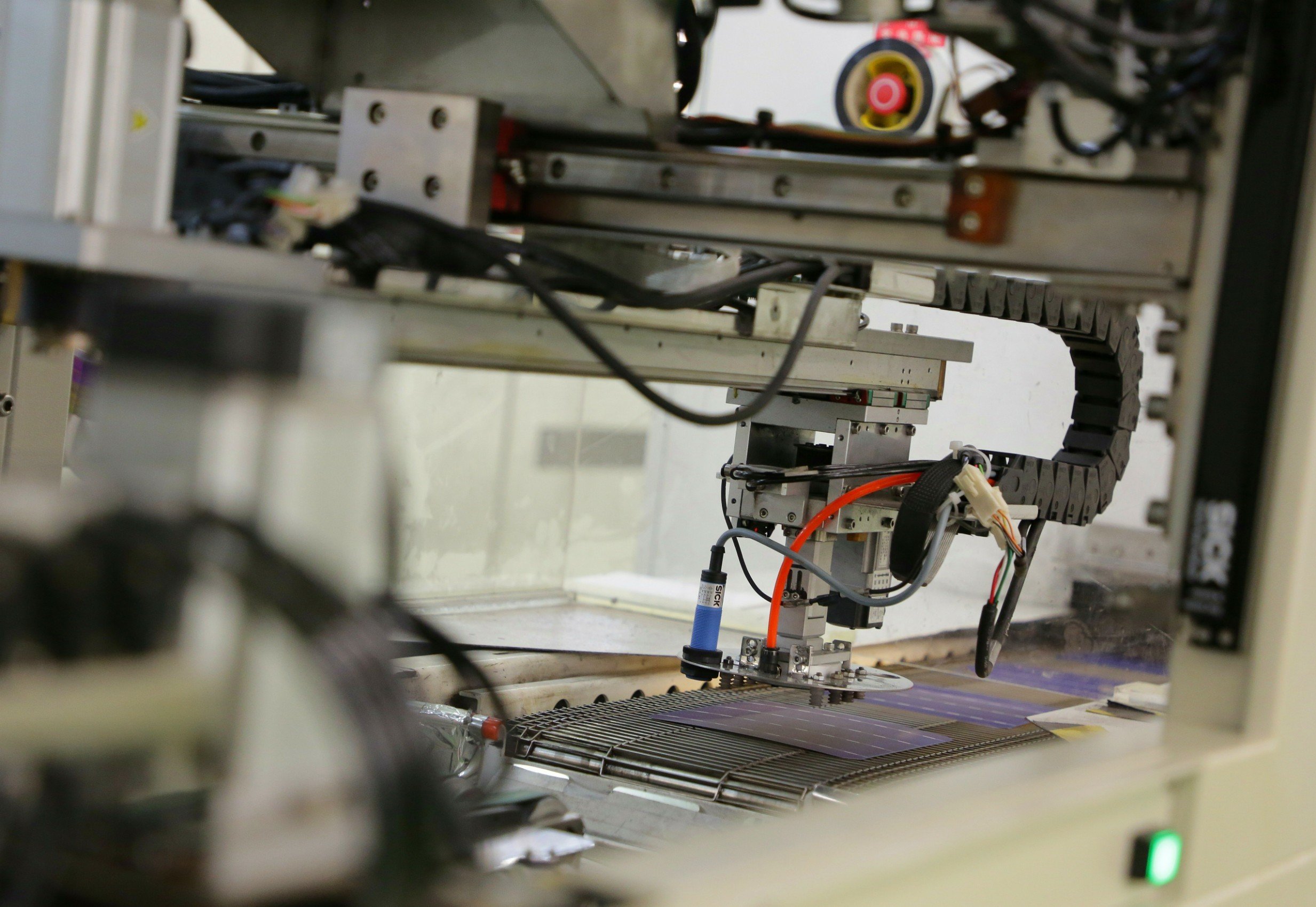
The history of silver has not come full circle, but it has begun to rhyme. Ming China pulled silver across the Pacific because its fiscal system created enormous monetary demand. Modern China pulls silver into factories because its industrial system creates enormous technological demand.
China’s controls are changing Japan’s political calculus: dependence on Chinese supply is no longer just a commercial risk but an economic-security vulnerability.
Multinational cloud providers should be included to show that their Taiwan-based nodes can function when cut off from the overseas systems that normally control them. This requirement should be built into government procurement and critical infrastructure audits.
Deeper and more sustained transnational exchanges could foster new regional identities and solidarities between national protest movements, as well as increase their resilience and capacity for innovation.
Crucially, countering cognitive warfare is not just about timely dissemination of factual counter-narratives. It must also build each citizen’s defences against disinformation — making them more skeptical of the information they receive and willing to actively verify it or debunk it.
Malaysia’s National AI Roadmap reveals tension between its stated ambitions and the industrial reality taking shape. Although Malaysia has courted notable investments into AI datacentres, there is limited focus on cultivating the upstream capabilities that Malaysia identifies as central to its long-term competitiveness.
As the United States faces growing democratic challenges at home, the second part of this series brings together leading experts to examine what this means for liberal democracy across the Indo-Pacific.
Their perspectives explore whether Washington's declining influence strengthens authoritarianism — or creates space for new, regionally rooted approaches to democratic governance.
The potential to combine Chinese technological innovation with localised implementation means that Southeast Asia could yet transform its demographic challenge from a looming crisis into an engine of economically innovative and socially equitable growth.
Written by William J. Jones and Dr Thanachate Wisaijorn
Ultimately, the current trajectory presents two distinct interpretations: it may be viewed cynically as a method to advance corporate and elite interests by using cheap nationalism, or pragmatically as a necessary step to access valuable economic resources blocked by territorial disputes.
For the first time in years, Ottawa is treating the Indo-Pacific not as a region of opportunities to sample but as a theatre in which it must choose where to invest.
Fears that the Polar Silk Road is an instrument for gaining control in the Arctic or over Greenland mistake what is essentially a slogan for a coherent, centrally-directed strategy. Still, while the slogan is heard less frequently these days, it has not yet fallen into obscurity. Under the right conditions, China might find it useful to defrost the Polar Silk Road.
Left unresolved, this deadlock carries its own strategic cost: renewed instability would further strain an already fragile economy, deter the investment needed to revive the nickel sector, and cast doubt on France’s capacity to manage its own territory.
Written by Athena Charanne Presto and Maria Tanyag
The Philippines has had real regional influence on gender equality, supported by a long lineage of female diplomats, policymakers, and civil society leaders who have helped shape ASEAN’s gender equality architecture since its early years.
On 8 August the Nepalese government ordered Kathmandu University to abort its plan to host a major international conference on Tibet. Media reports and online chatter assumed China to be the culprit, but what remains unclear is whether China had aimed at the total shut-down of the conference or whether Nepal misread the signals from Beijing and went further than required.
In the future, even less confrontational and security-focused iterations of FOIP are likely to face Beijing’s opposition because their premise of involving external actors — to balance China’s dominance — clashes with Beijing’s own objectives, regardless of content.
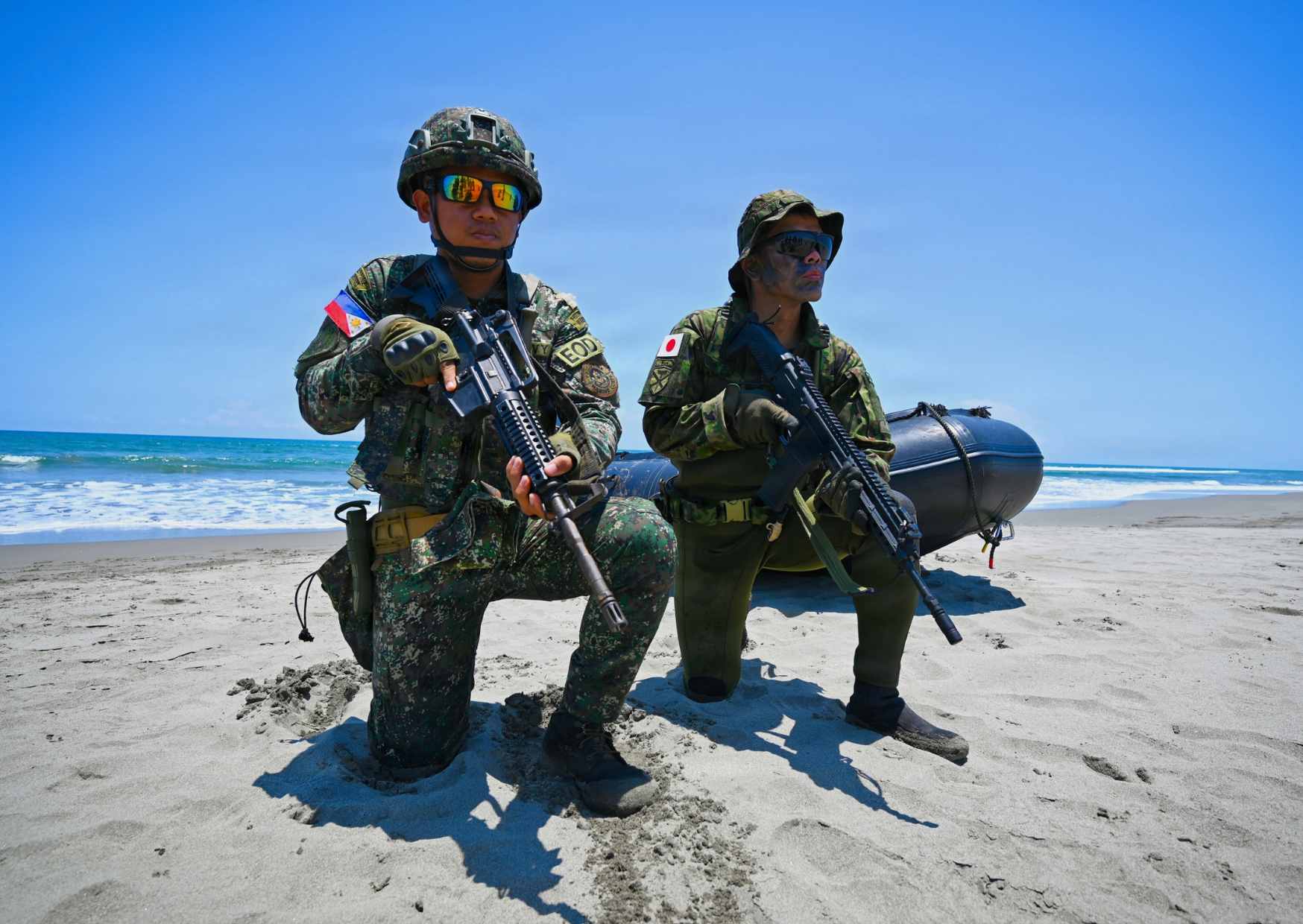
Indeed, if stronger Philippines-Japan relations rest on upholding a rules-based international order, then both parties must extend the same normative and legal commitments to protect and empower the communities in their own island peripheries.