SOUTHEAST ASIA

Written by Herman S. Taylor
The dispute with the Philippines was temporarily set aside rather than settled, leaving room for neutrality. Then Beijing brought the same coercive reflex to Manila that it used everywhere. The failure was not China’s refusal to yield its claims, but its inability to adopt softer tactics.
Written by Hunter Marston
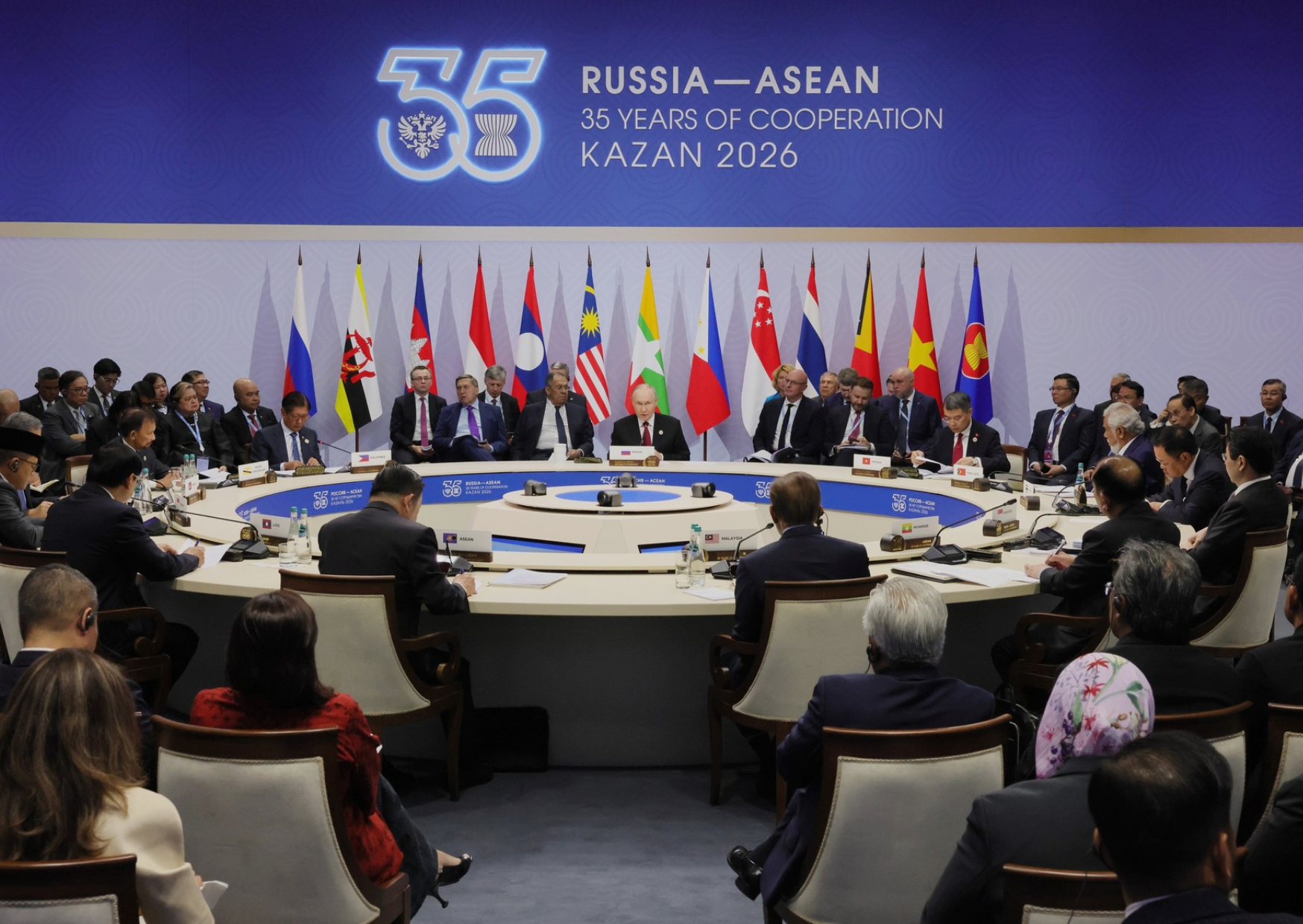
The recent Russia-ASEAN Summit is only the latest example of a more diffuse and loosely organised world order, in which Washington plays a less central role, and its rivals are calling the shots. While this emerging multipolar order is currently fuelling regional anxieties of instability and conflict in Southeast Asia, it is likely to be the new normal.

Written by Athena Charanne Presto and Maria Tanyag
The Philippines has had real regional influence on gender equality, supported by a long lineage of female diplomats, policymakers, and civil society leaders who have helped shape ASEAN’s gender equality architecture since its early years.
Written by Linn Thit Htoo
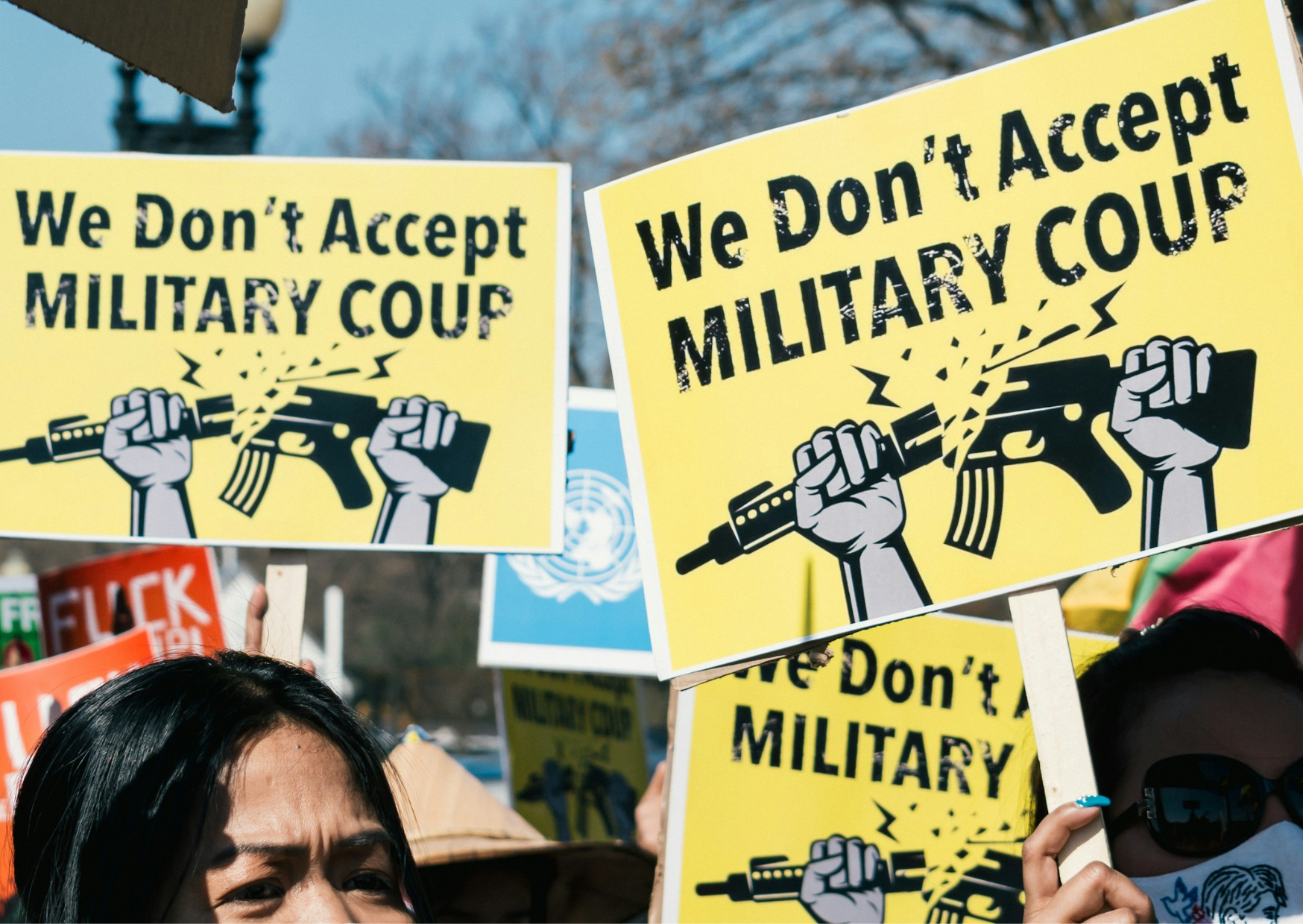
A protracted war that the Tatmadaw cannot win, but remains capable of sustaining, is becoming an increasingly poor investment for China.
Written by Muhammad Izzuddin Al Haq
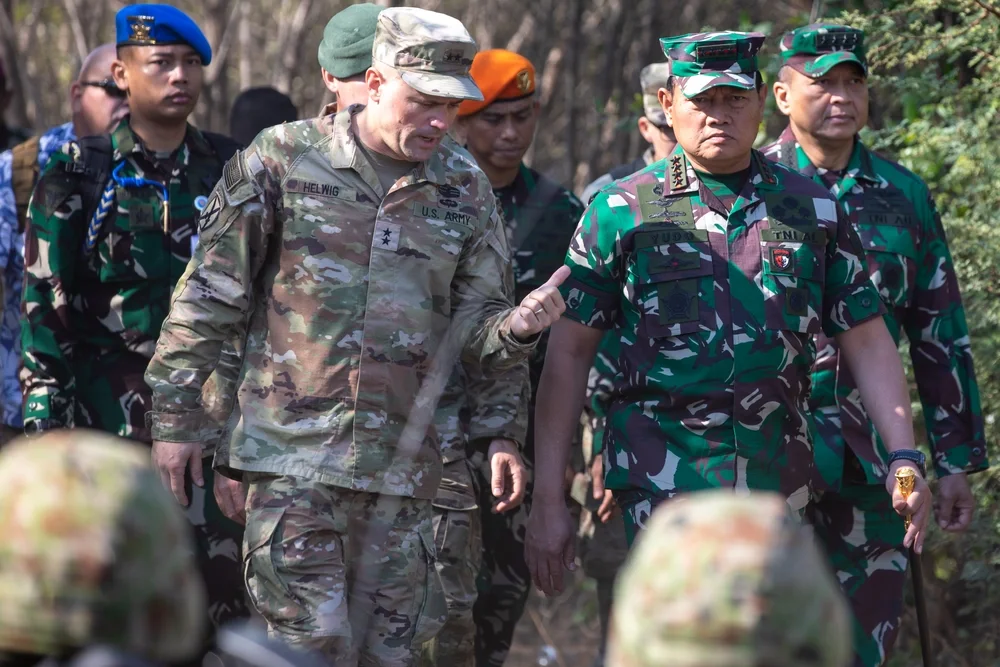
If other middle powers in the Indo-Pacific follow Jakarta’s stance in resisting formal alignment, the region may become one where multilateral cooperation works in peacetime but falls short in crises, including grey zone escalation.
Written by Apipol Sae-Tung
The regime’s institutional architecture is designed for continuity, but the energy crisis has introduced a level of volatility that requires a more agile and transparent response than the regime’s patronage-driven conservative roots traditionally allow.

Written by Chandarith Neak and Chhay Lim
Cambodia’s partners would do well to start seeing it for what it is: a small state with its own interests, its own history, and no good options — only hard choices.
Written by Hunter Marston
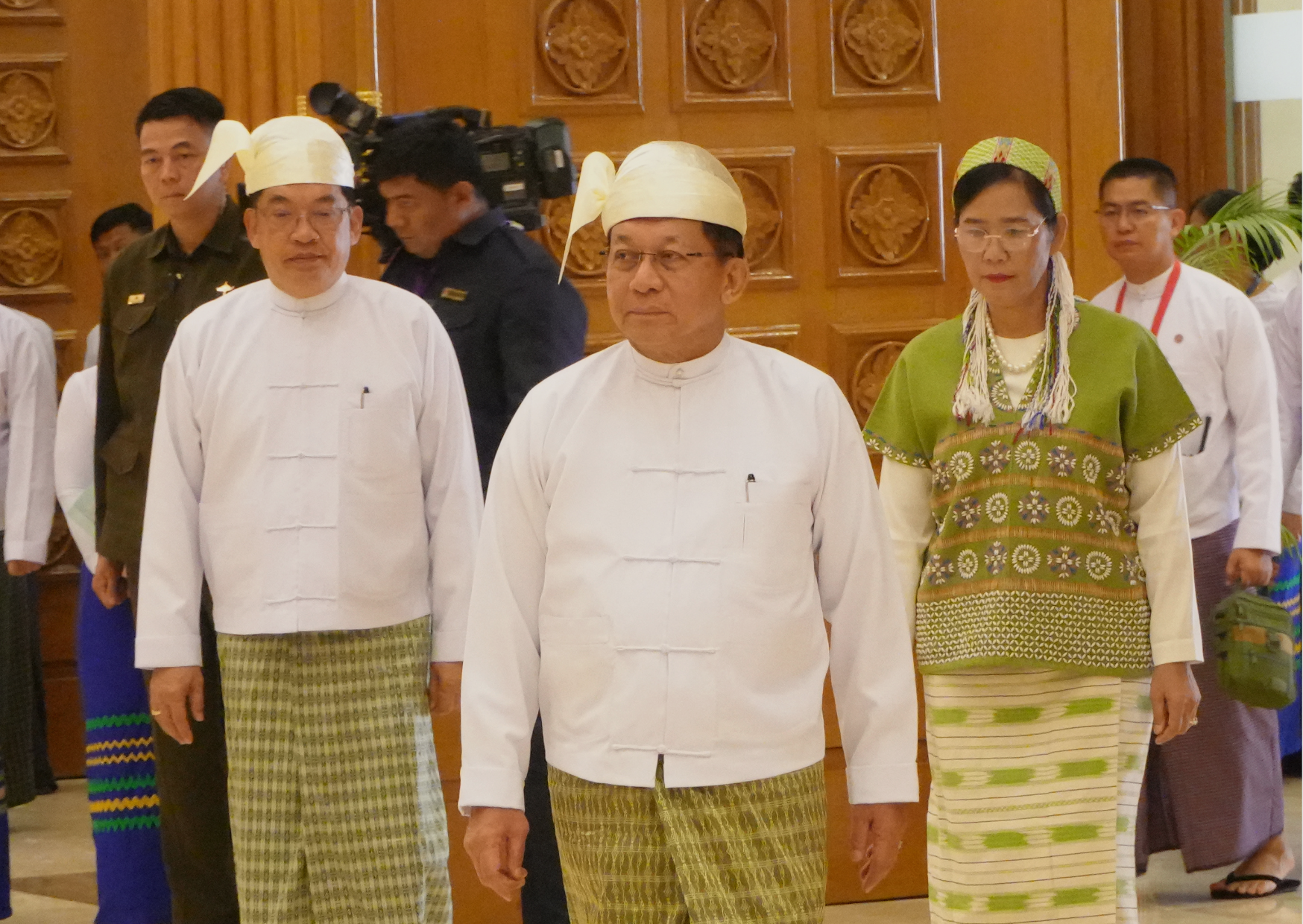
The root of Myanmar’s crisis is political: as long as the military holds power, the country will be at war, and the economy will underperform.
Written by Dr. Aniello Iannone
Ultimately, the COC’s relevance will depend on whether it can institutionalise guardrails that shape incentives at sea, reduce the frequency and severity of grey-zone encounters, and make de-escalation after incidents more predictable.
Written by William J. Jones and Dr Thanachate Wisaijorn
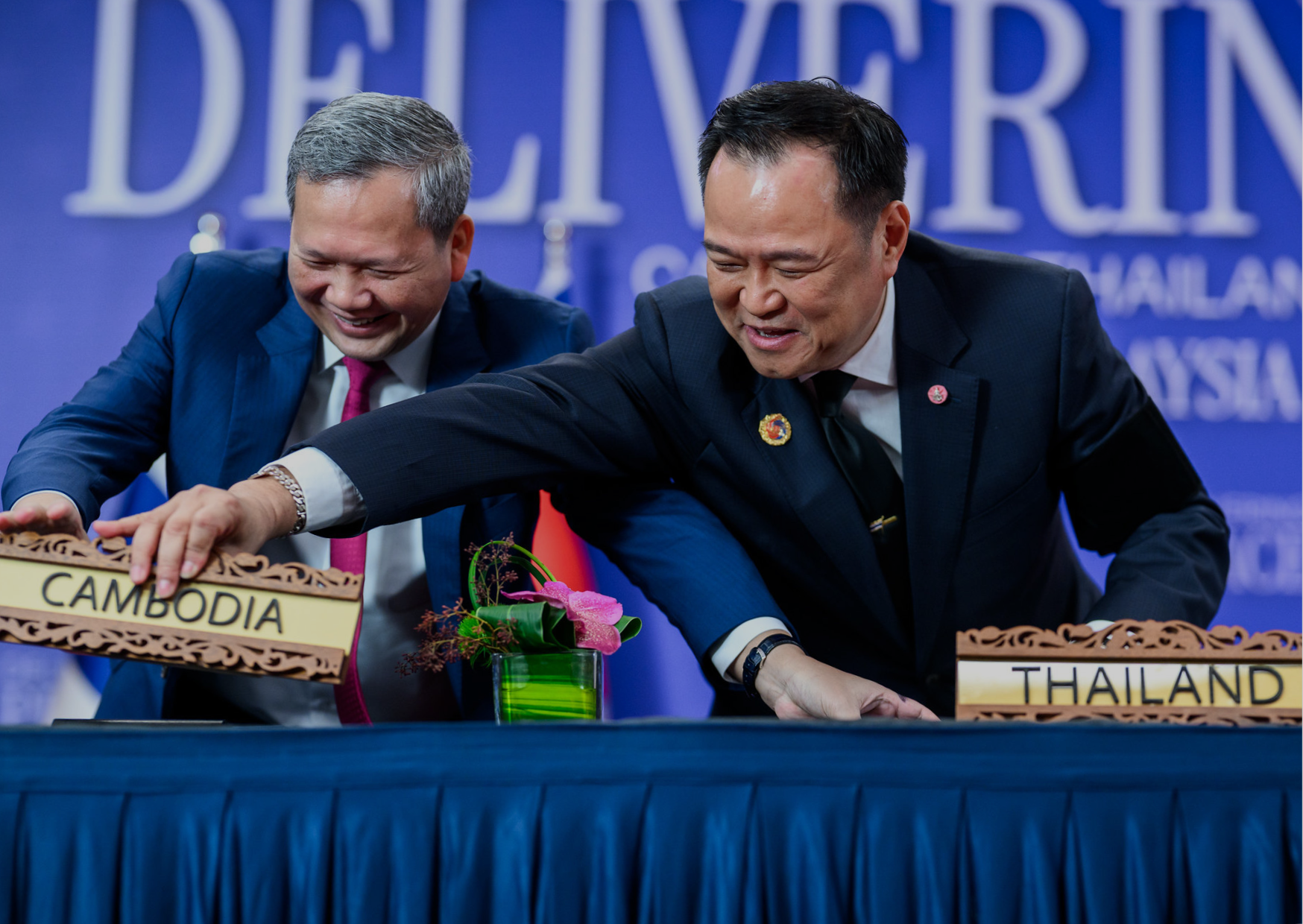
Ultimately, the current trajectory presents two distinct interpretations: it may be viewed cynically as a method to advance corporate and elite interests by using cheap nationalism, or pragmatically as a necessary step to access valuable economic resources blocked by territorial disputes.

Written by Anoushka Singh
Without rewriting the terms on which capital and expertise enter the sector, Indonesia’s nickel future may continue to be shaped elsewhere, despite being mined at home.
Written by Pheng Thean
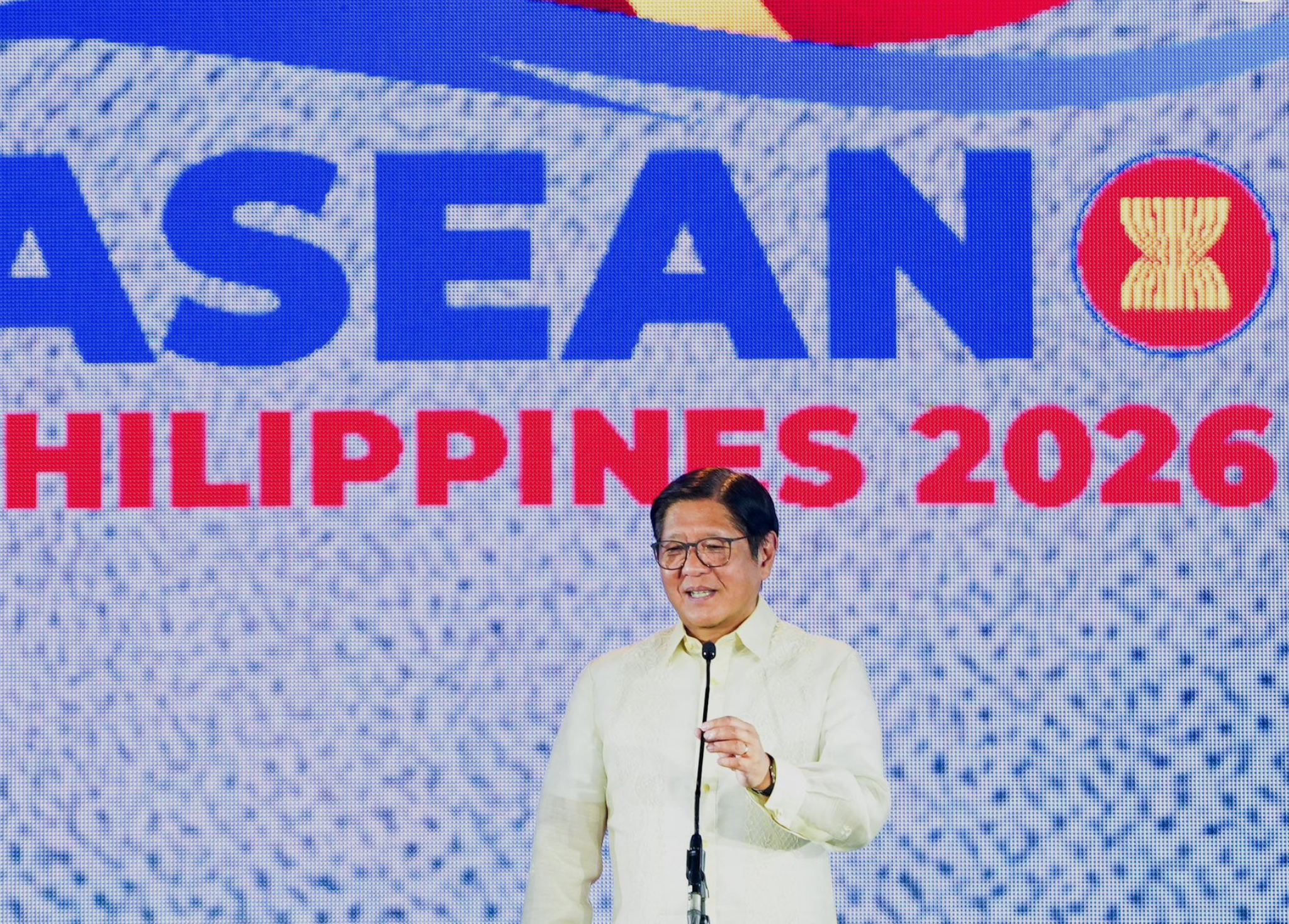
If the Philippines seeks a realistic pathway towards a functional COC — and to preserve ASEAN’s credibility as a neutral convening platform — it must complement its instruments of statecraft with more targeted diplomatic adjustments.
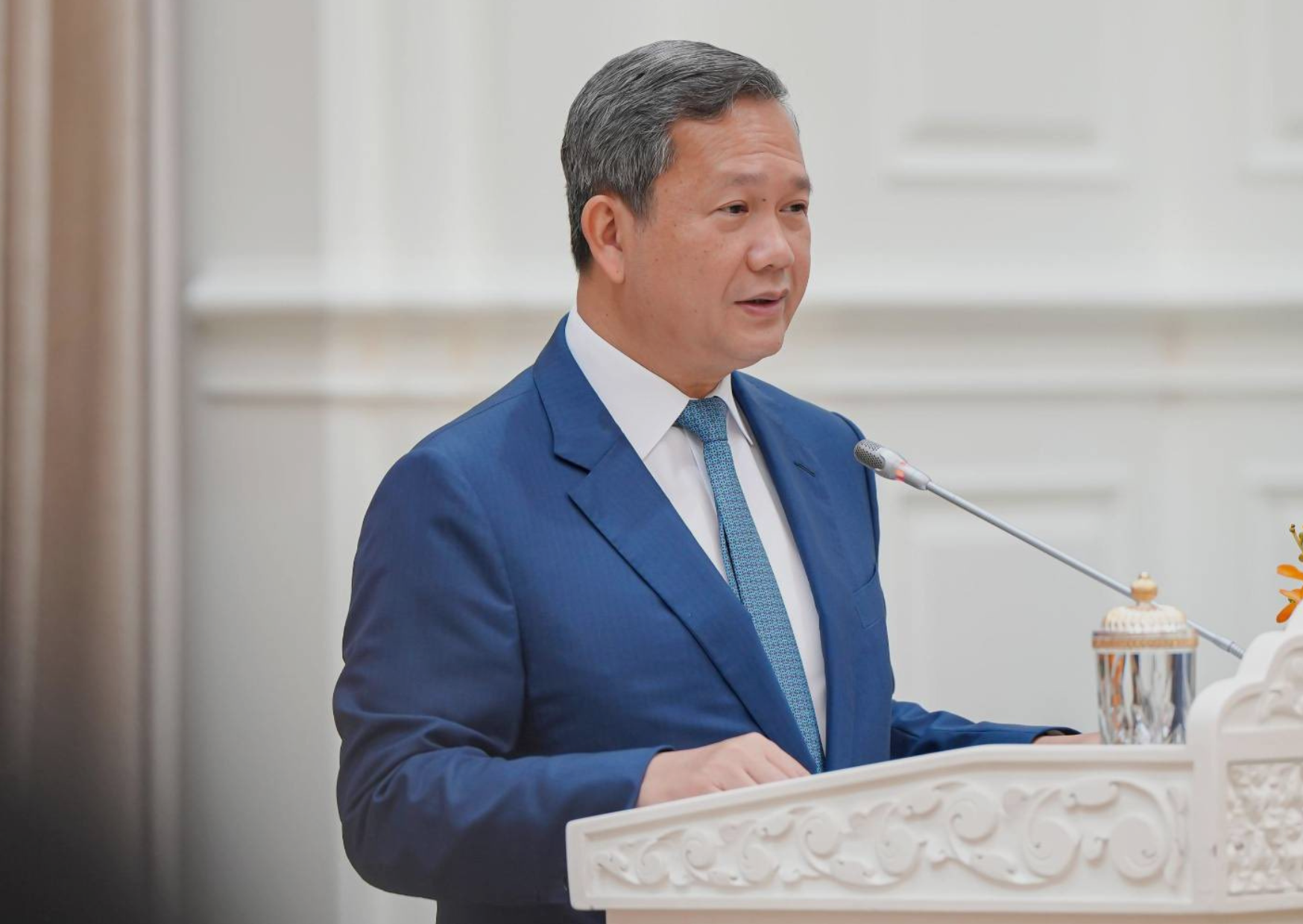
Written by Vanly Seng
Reform has failed not through a lack of effort, but through a lack of will, as dismantling the system of authoritarian constitutionalism would directly undermine the CPP’s hold on power.
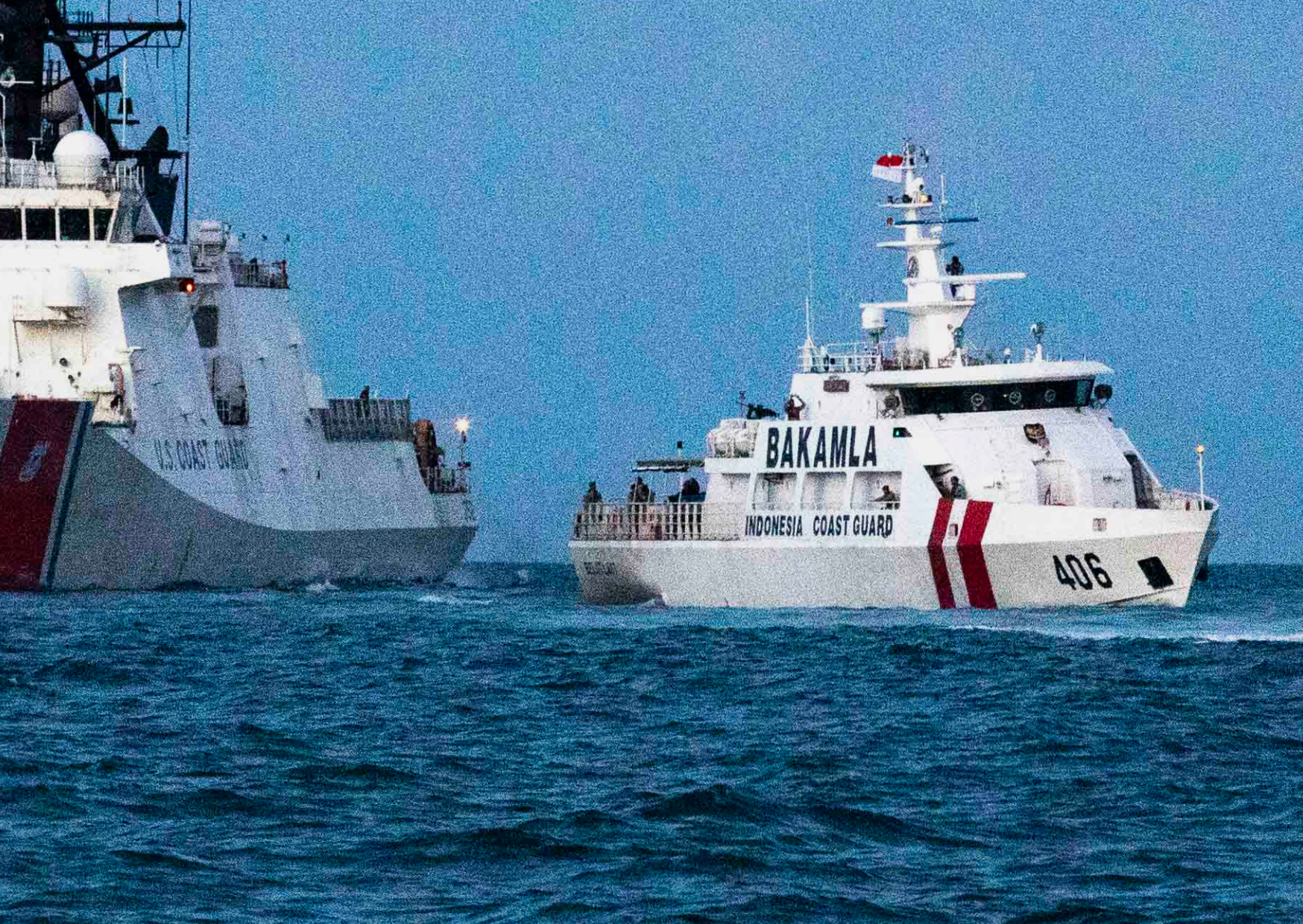
Written by Omar Rasya Joenoes
The challenge, therefore, is to transform ambiguity from a reactive posture into a deliberate and integrated strategy — one that manages asymmetry without allowing incremental pressure to redefine the strategic status quo.
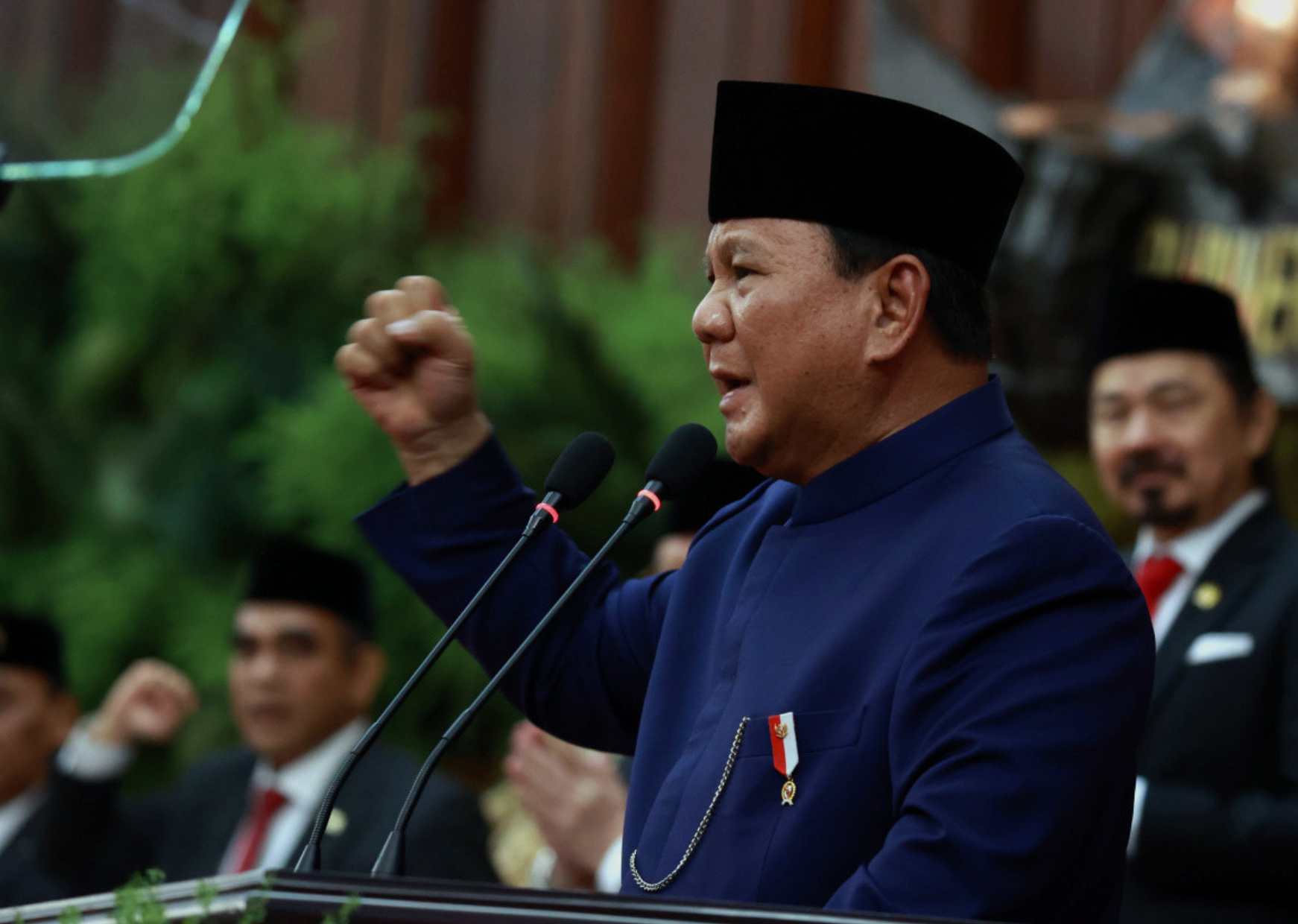
Written by Nathaniel Schochet and Peyson Hunt
The MBG programme stands as both a policy initiative and a political symbol of the Prabowo administration: ambitious in scope, reinforced by the military, and directed by an executive willing to subordinate bureaucracy and norms in pursuit of their goals.
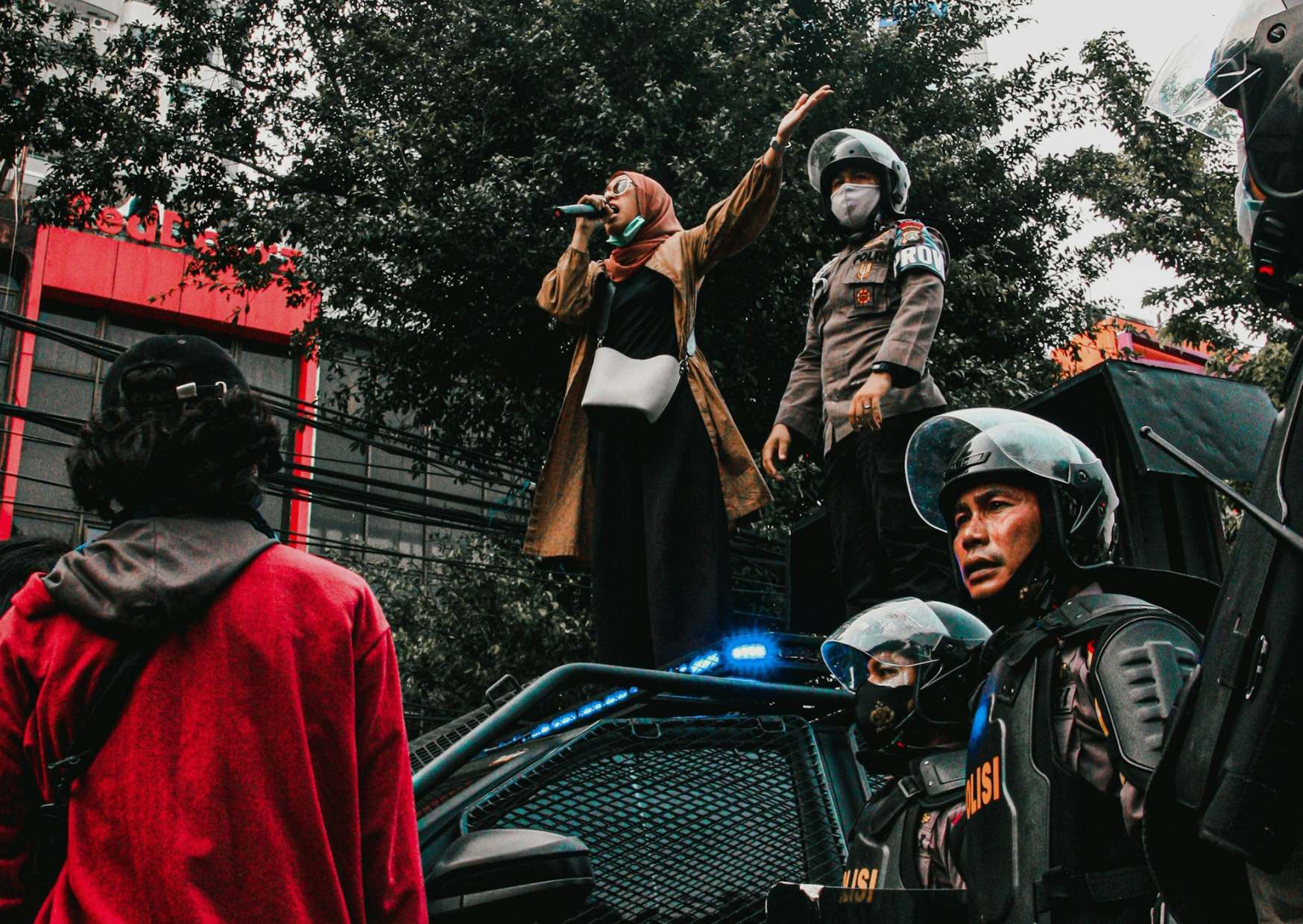
Written by Adhiraaj Anand
Deeper and more sustained transnational exchanges could foster new regional identities and solidarities between national protest movements, as well as increase their resilience and capacity for innovation.

Written by Faye Simanjuntak
Malaysia’s National AI Roadmap reveals tension between its stated ambitions and the industrial reality taking shape. Although Malaysia has courted notable investments into AI datacentres, there is limited focus on cultivating the upstream capabilities that Malaysia identifies as central to its long-term competitiveness.

Written by Chhay Lim and Chandarith Neak
Without institutional mechanisms that both parties accept as legitimate and binding, border disputes remain vulnerable to escalation and external intervention whenever domestic political pressures or regional tensions rise.

Written by Shin Kawashima
Japan and other US allies must strengthen ties with Southeast Asian countries to address US retrenchment, positioning themselves as credible alternatives for countries seeking to avoid over-reliance on China.

Written by Yatana Yamahata
Solidarity among Southeast Asians has strengthened pro-democracy movements across the region and, in doing so, fostered a sense of shared regional identity. ASEAN, however, does not mirror nor reinforce this solidarity. Instead, it remains constrained by its founding principle of non-interference.

Written by Dr. Hunter Marston
With the Trump administration fixated on bilateral trade deals with individual countries, rather than the large multilateral trade deals that have shaped the region’s economic architecture in recent years, the US appears to be yesterday’s story, while Asia has moved on with the new rules of the road.

Written by Aniello Iannone
ASEAN’s future will not be determined by declarations or summit communiqués. It will hinge on whether the organisation can transcend the comfort of paralysis and confront the contradictions that sustain it.

Written by Dr Muhammad Zulfikar Rakhmat
Indonesia’s foreign service, though respected in ASEAN, has not fully kept pace with the demands of a world where China is central to trade, technology, and security. Without a cadre of China specialists embedded across government and academia, Jakarta risks responding to events rather than shaping them.

Written by Ophelia Yumlembam
Given the Quad’s and the EU’s ongoing efforts to build resilient and diversified critical mineral supply chains, a more proactive and coordinated approach with other like-minded global actors is urgently needed — before China further consolidates its dominance over Myanmar’s REE resources and, by extension, the global REE supply chain.
Written by Aristyo Rizka Darmawan and John Bradford
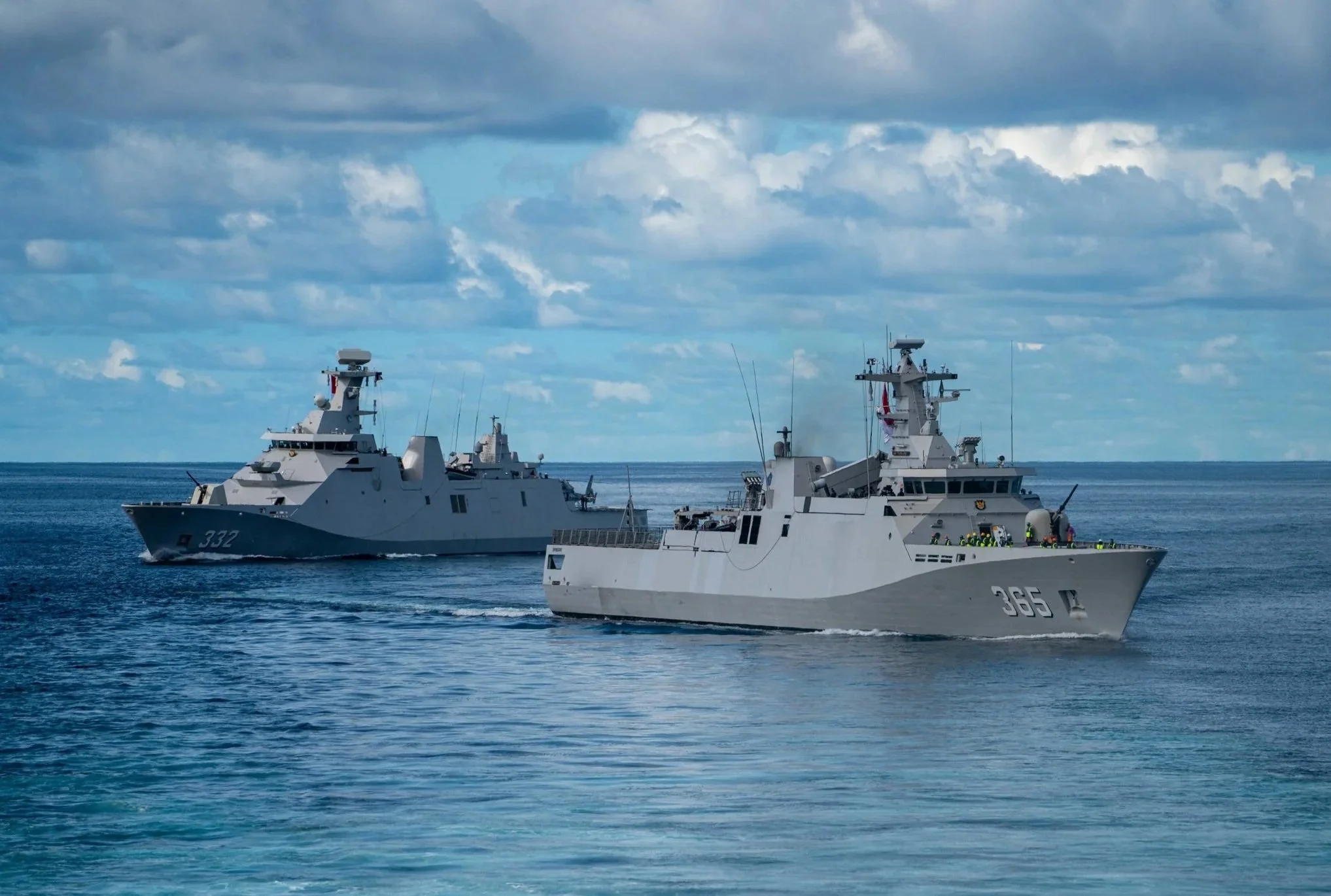
Ratification of the EEZ agreement provides a good opportunity for Indonesia to clarify its position by denying the validity of China’s Nine-Dash Line claim while simultaneously preserving its interests and advancing good relations with an important neighbour.

Written by Zsuzsa Anna Ferenczy and Julia Gurol-Haller
Together, the EU, Taiwan, and ASEAN can redefine connectivity not as a geopolitical tool for influence, but as a platform for empowerment, resilience, and strategic autonomy in the Global South.

Written by Eerishika Pankaj and Rahul Karan Reddy
The concern Beijing has with an India-Philippines strategic partnership lies in its signalling of the rise of layered, maritime-centric, military cooperation emerging in China’s periphery — designed to reinforce a rules-based order and deter unilateral changes to the status quo in the global commons.
Written by Dr Apila Sangtam
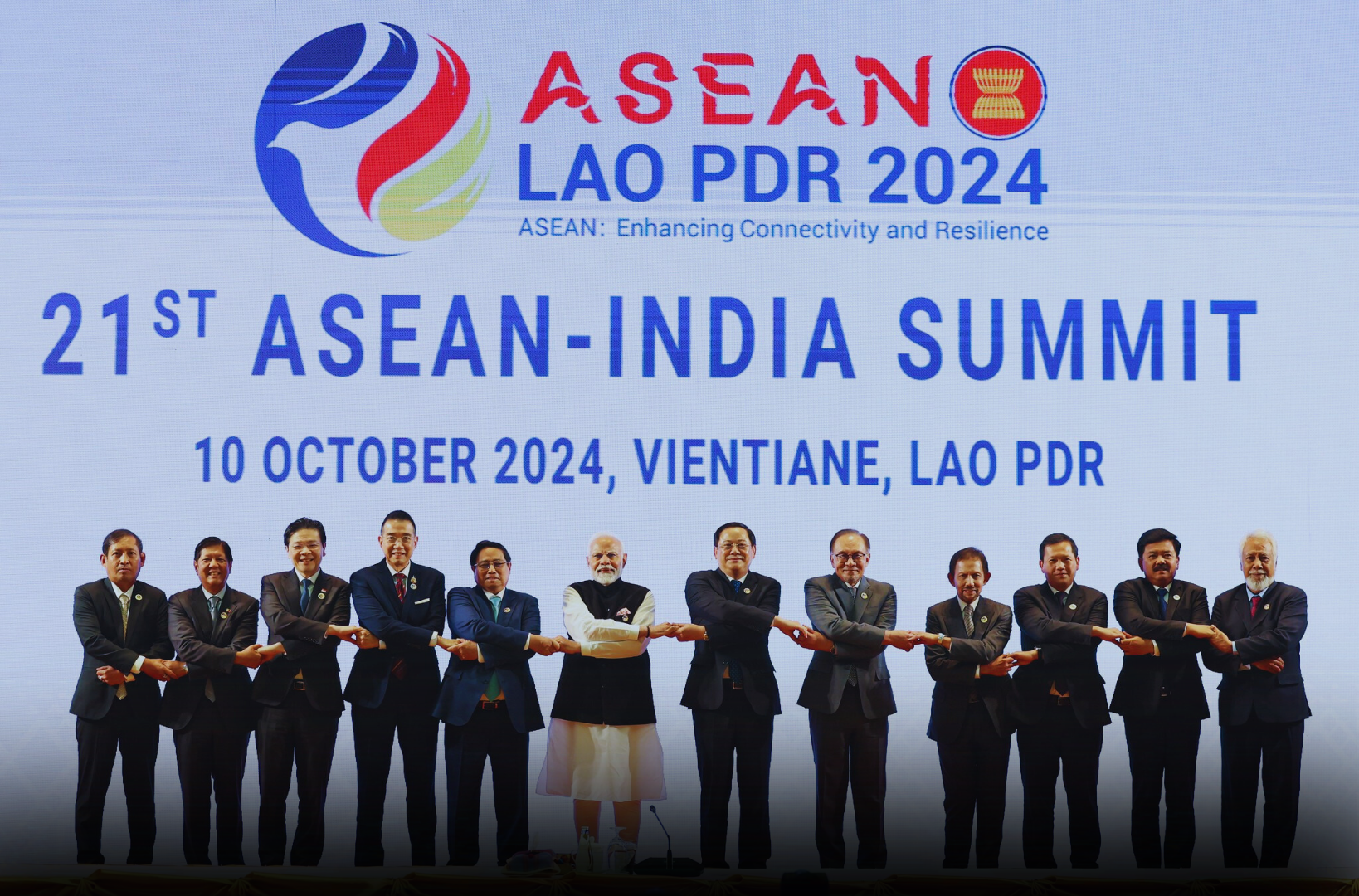
Crucially, reinvigorating key connectivity initiatives such as the India–Myanmar–Thailand Trilateral Highway would serve as both a symbolic and practical demonstration of India’s commitment to regional integration.

Written by Hunter Marston
Southeast Asian anxieties with the Trump administration’s turn toward protectionist trade policies were evident in the May 2025 ASEAN Summit, when the regional bloc expressed ‘deep concern’ with US tariffs.

Written by Dr Hunter Marston
Despite the opportunity presented by American retrenchment, China lacks the soft power to step in as a natural leader and its economic and political influence continue to be met with suspicion by regional elites.