THE LATEST

Written by David Matijasevich
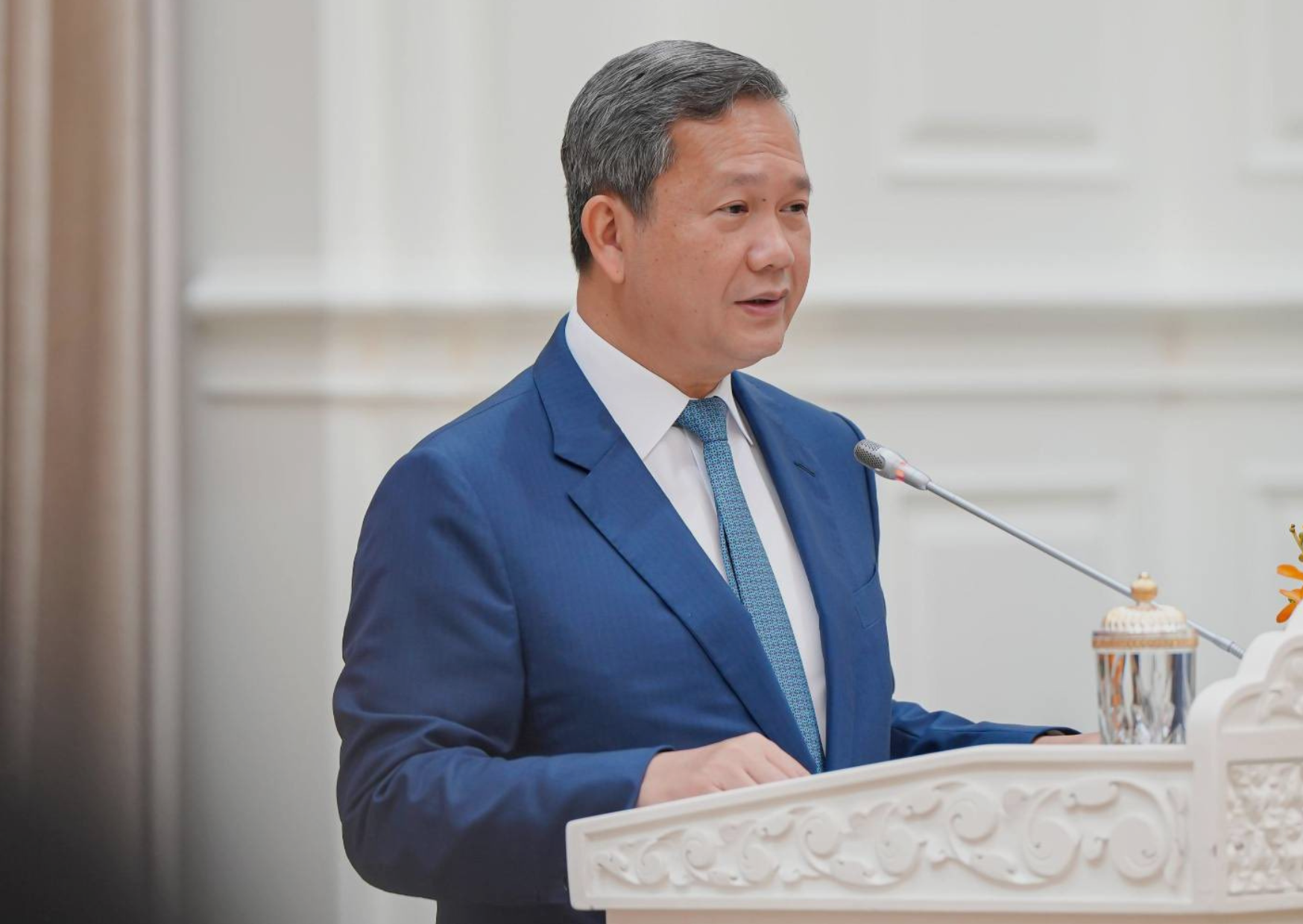
Canadian foreign policy under Prime Minister Mark Carney has turned away from its long-held liberal internationalist position, and realism appears to be trumping values. Recent interviews with Singaporean civil society activists examine the ways in which Canadian engagement would be appreciated by those engaged in local democratic and rights-oriented struggles.

In this episode, Zsuzsa Anna Ferenczy and Richard Heydarian are joined by Dr Louise Marie Hurel, Senior Research Fellow at the Royal United Services Institute to discuss how Europe and ASEAN can best navigate an increasingly complex AI landscape.
Subscribe now and never miss an episode.
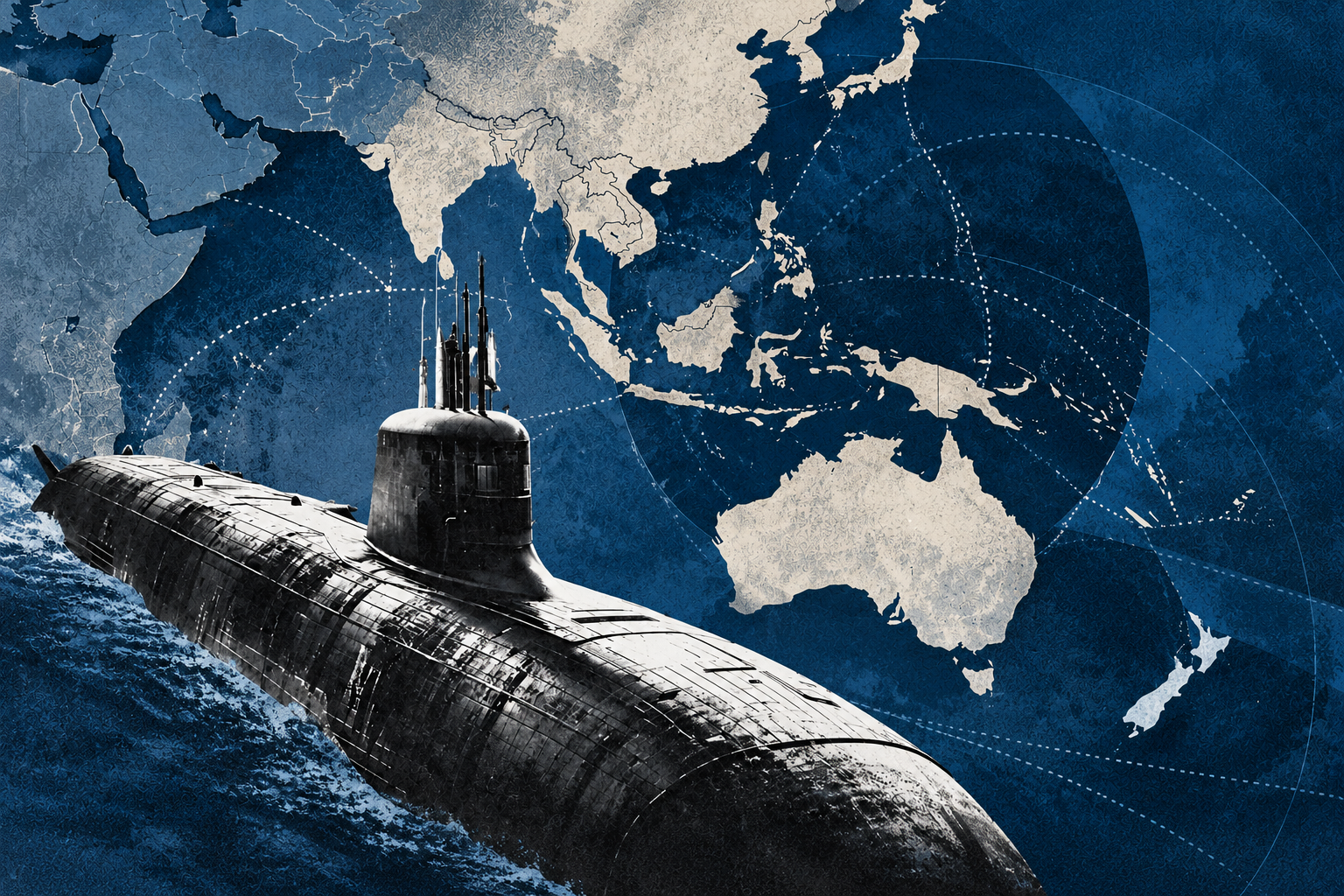
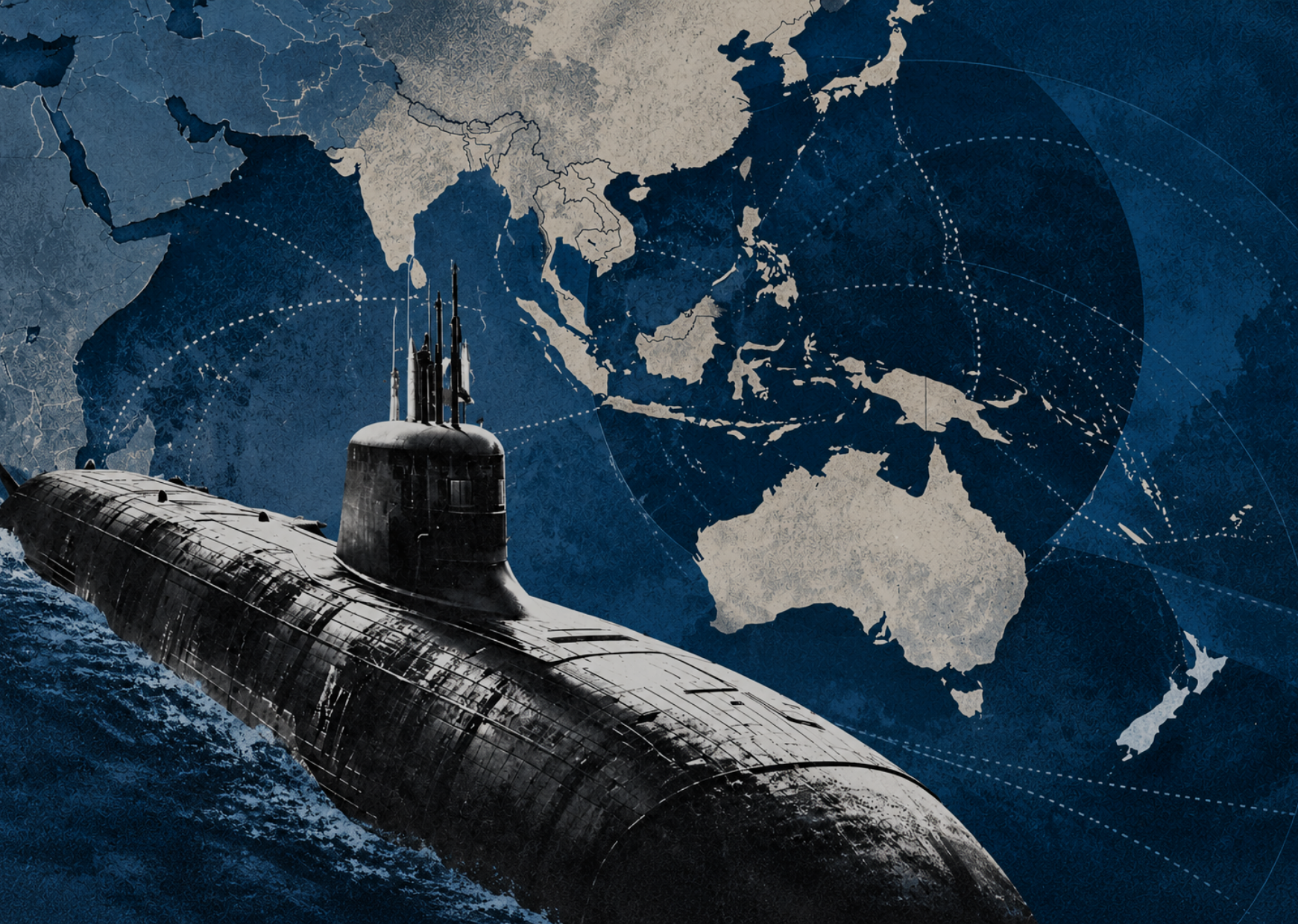
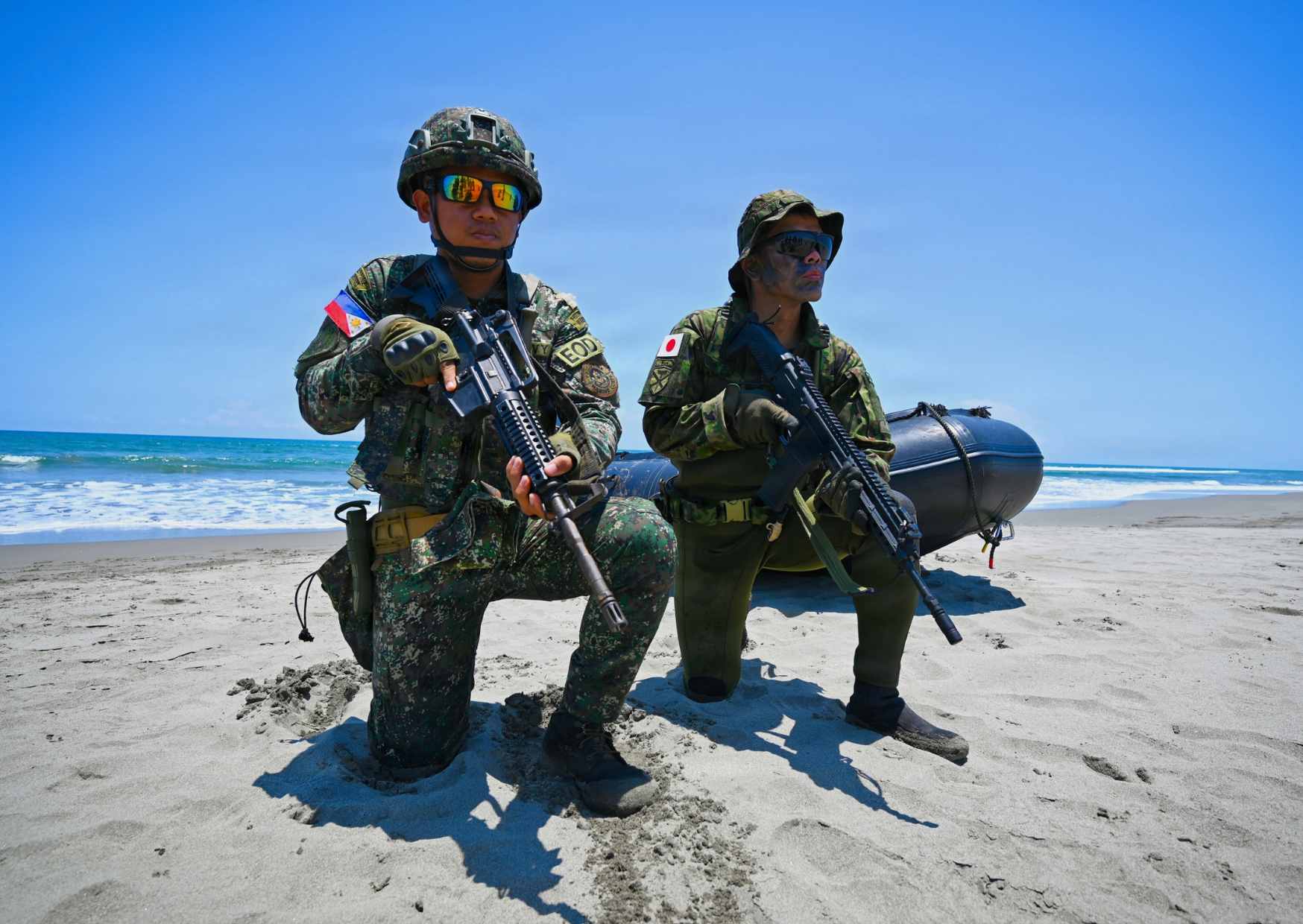
A decade after Japan launched its Free and Open Indo-Pacific (FOIP) vision, tensions between AUKUS and Pacific Island security priorities are reshaping regional geopolitics. As AUKUS strengthens military deterrence, Pacific nations prioritise climate security, sovereignty and nuclear non-proliferation. We invite several leading experts to examine whether competing security visions threaten regional stability, intensify US-China rivalry and undermine FOIP’s principles of peace and cooperation.
Written by Luana Correia
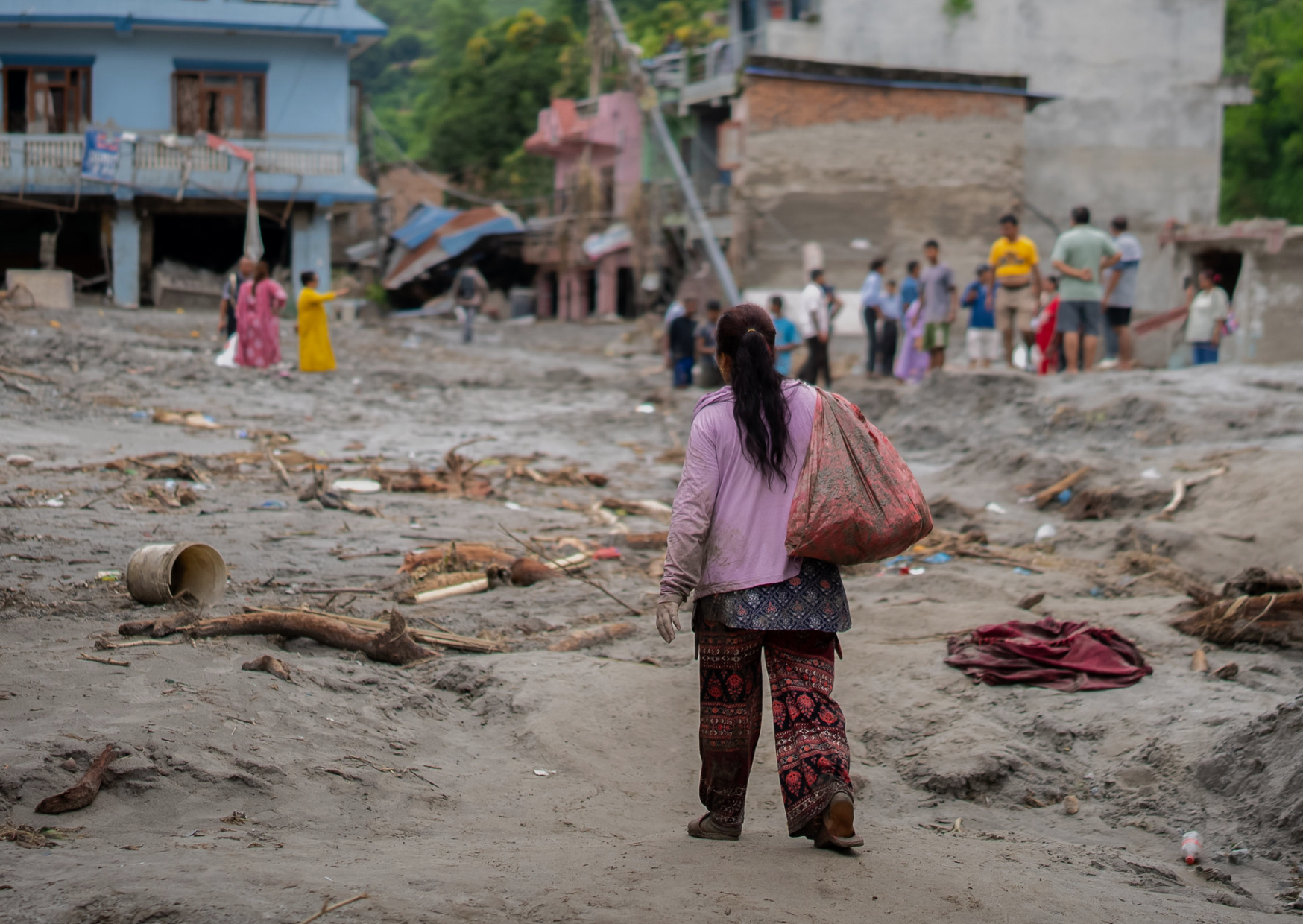
While the impacts on the region are imminent and unavoidable, they can be minimised through adequate adaptation and mitigation efforts. This requires wealthier, more capable actors to strengthen their multilateral climate finance commitments and provide impacted nations such as Nepal with strong reconstruction and recovery support.

Ahead of the 2026 Shanghai Cooperation Organization (SCO) summit in Bishkek (31 Aug – 1 Sept), 9DASHLINE spoke with Dr. Eva Seiwert about her new book, The Shanghai Cooperation Organization and China’s Vision of International Relations. Marking the SCO’s 25th anniversary, Dr. Seiwert draws on Chinese-language sources and interviews to examine how Beijing leverages the alliance to shape an alternative international order and navigate modern geopolitical crises.
Written by Erdem Lamazhapov
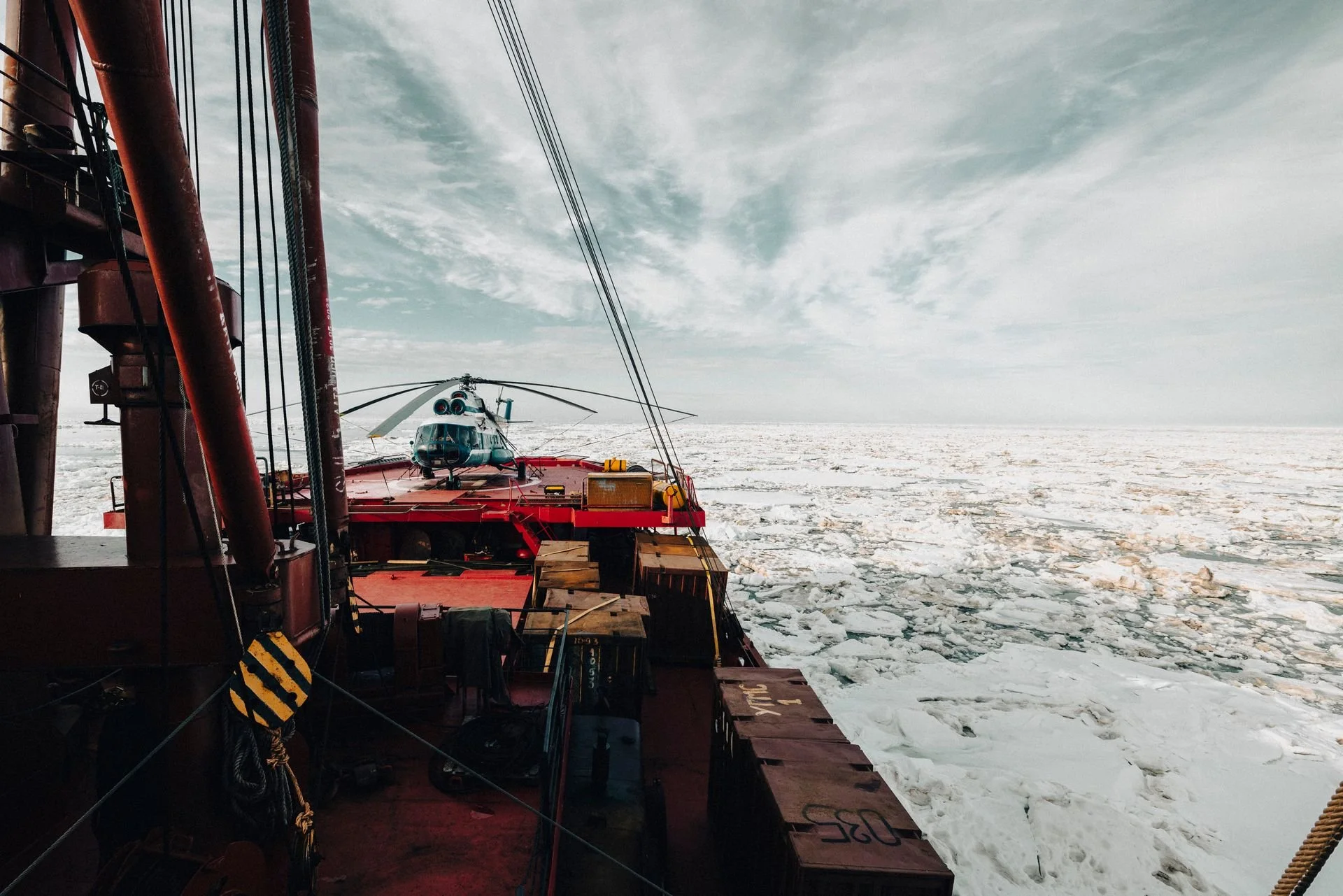
Fears that the Polar Silk Road is an instrument for gaining control in the Arctic or over Greenland mistake what is essentially a slogan for a coherent, centrally-directed strategy. Still, while the slogan is heard less frequently these days, it has not yet fallen into obscurity. Under the right conditions, China might find it useful to defrost the Polar Silk Road.

Written by Leonardo Morreale
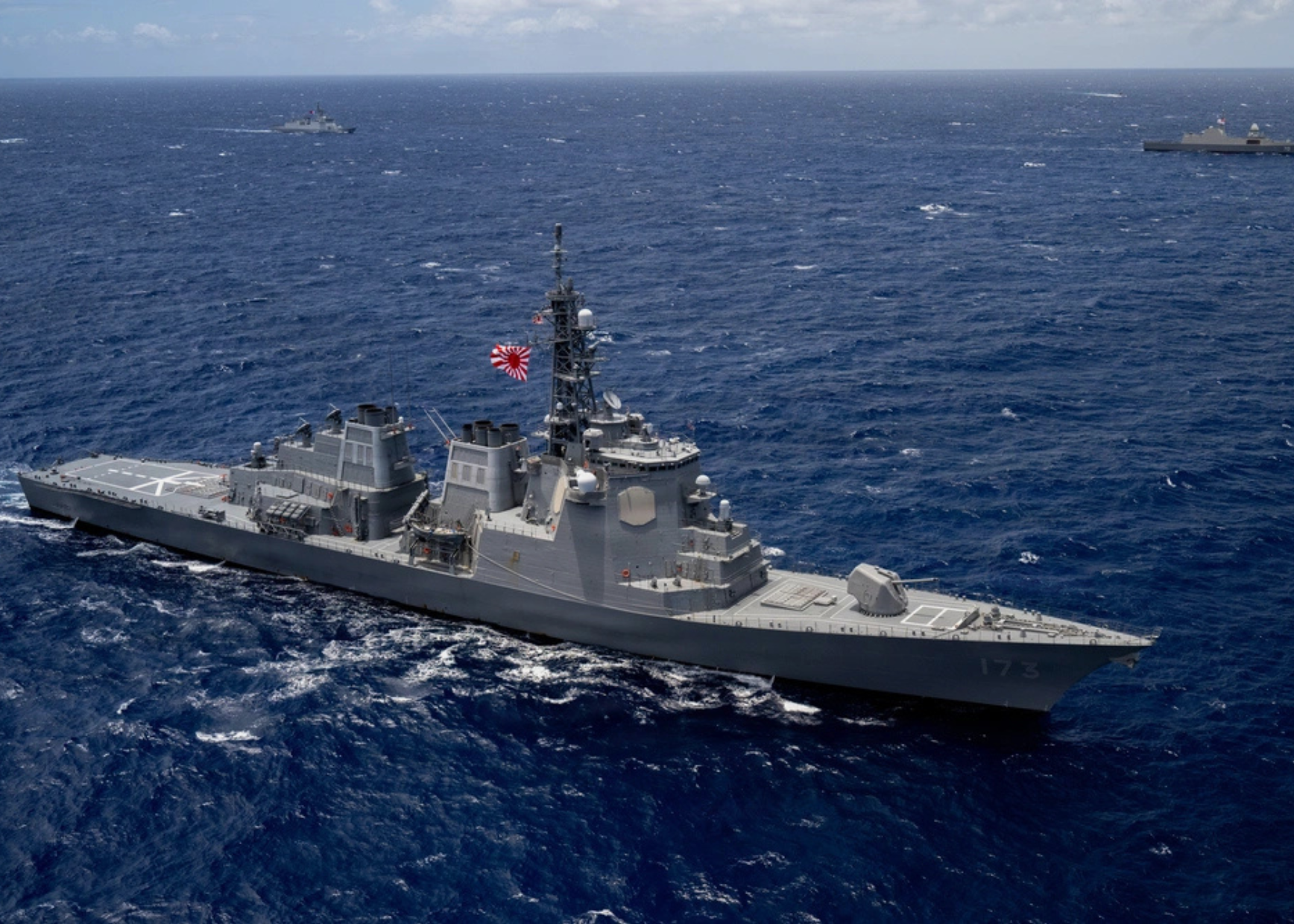
Putin's August 2026 visit to the disputed Kuril Islands, combined with Russia's fortification of the chain and its growing military coordination with China, signals a defensive freeze rather than a springboard for attack. As Japan reorients southwards, the north remains a second front that will not close, a standing cost even if the shot is never fired.

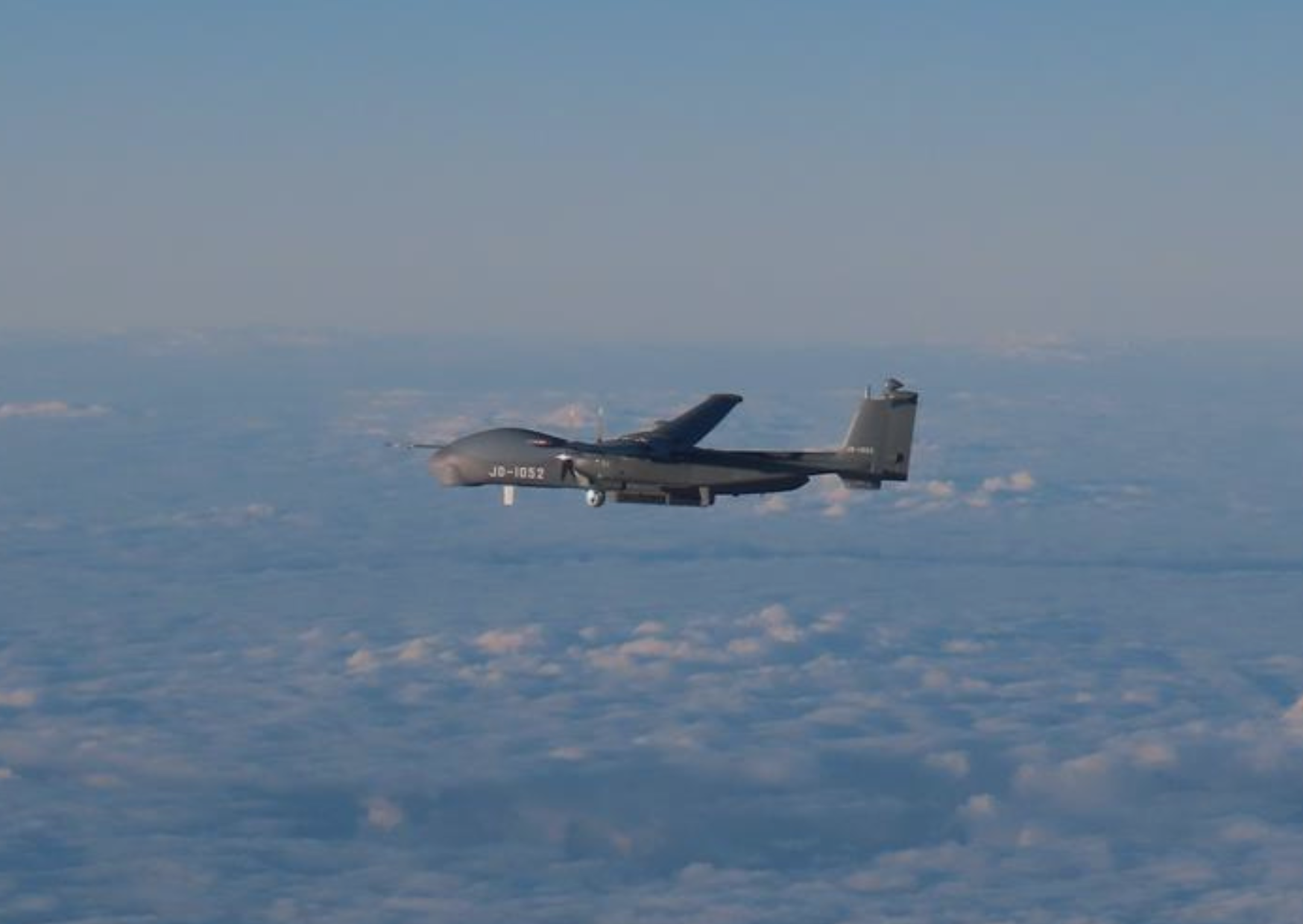
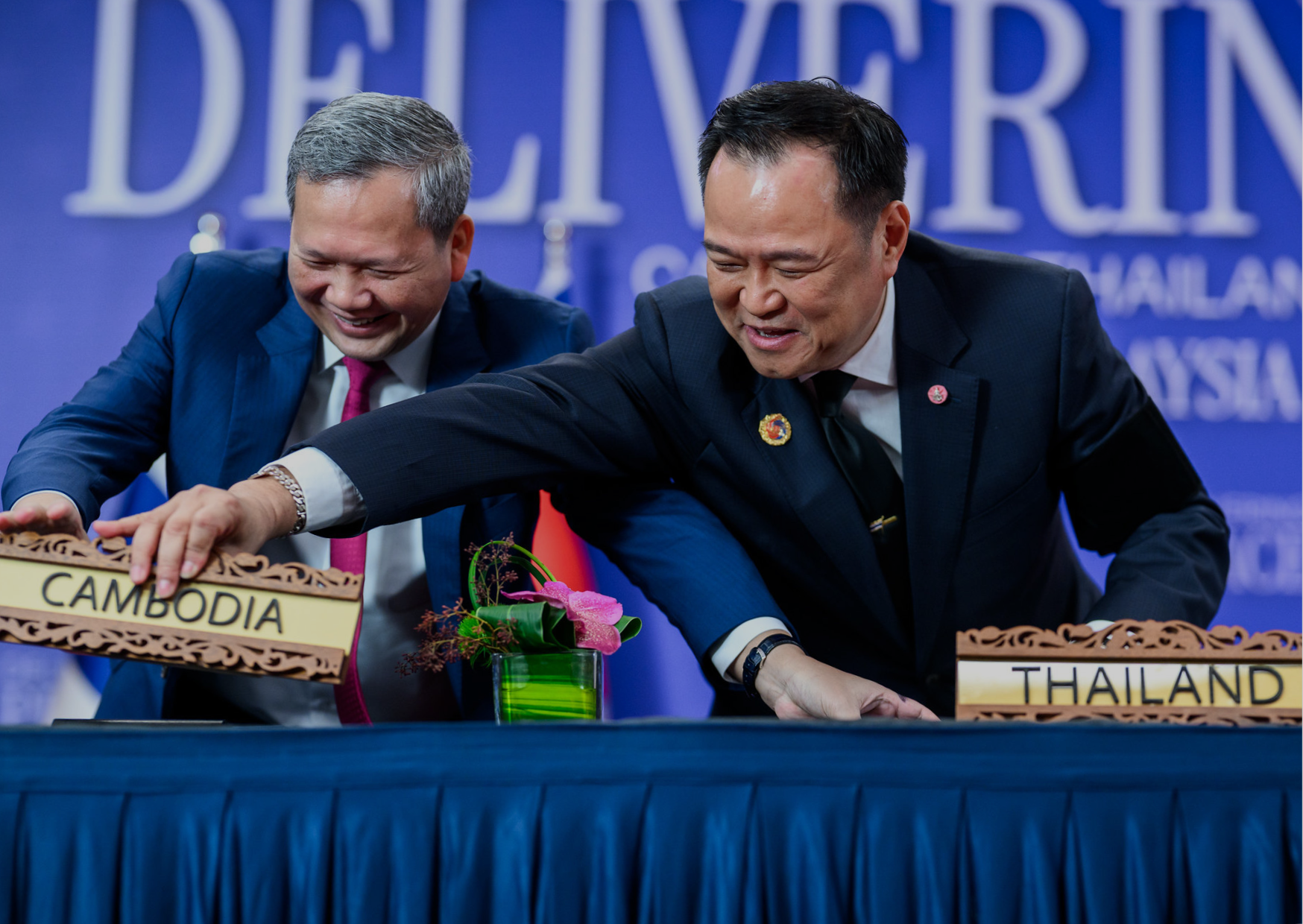
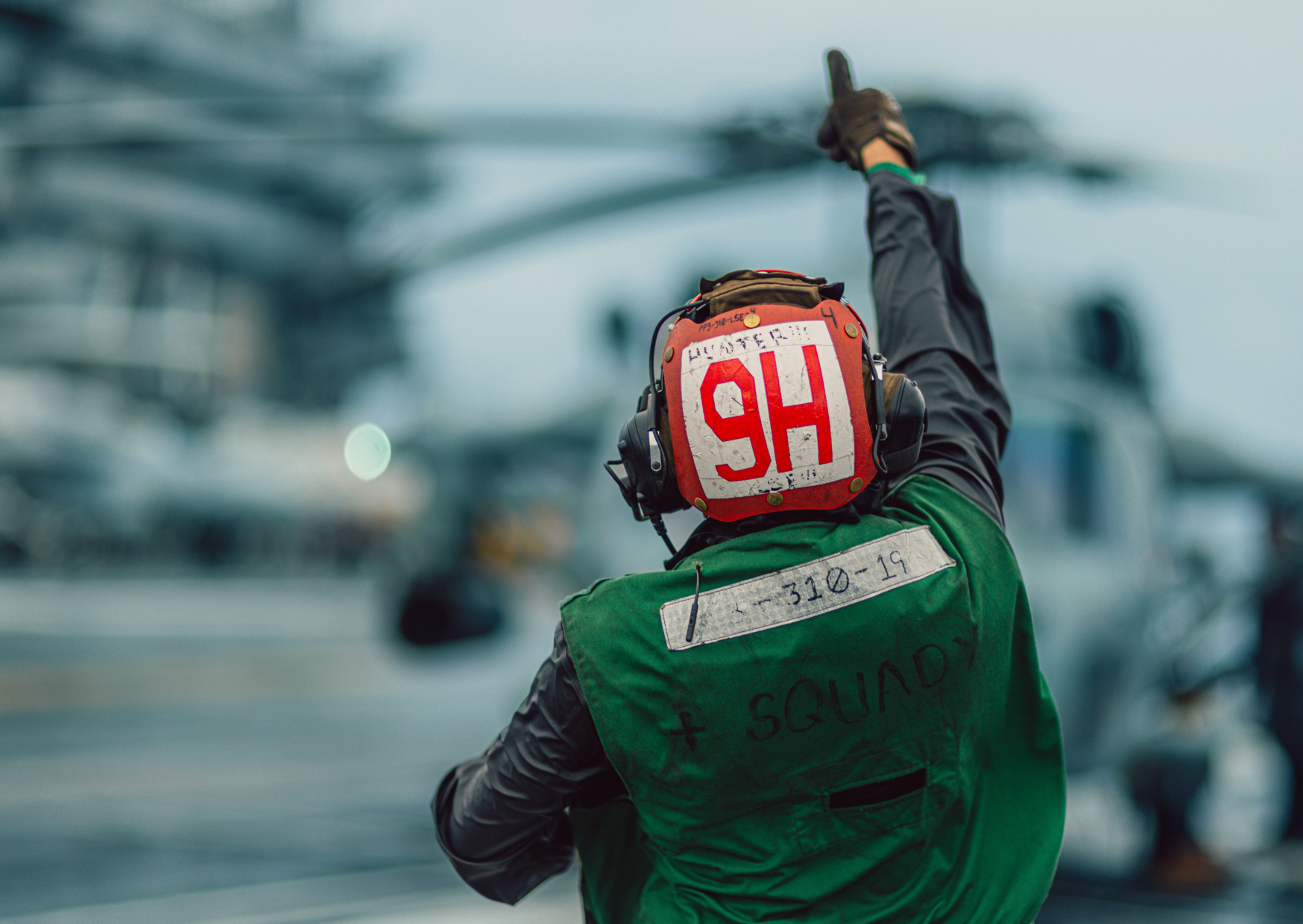
This month’s briefs examine a shifting Indo-Pacific security architecture, where expanding defence partnerships meet growing uncertainty over traditional alliances. New Zealand’s move to acquire strike drones highlights a more operational Pacific security landscape, while South Korea’s experience exposes the limits of “model allyship” with Washington. Alongside this, our regional review explores how states are adapting to a less predictable strategic environment.
Join our briefing today and stay ahead of the curve.