Written by Linn Thit Htoo
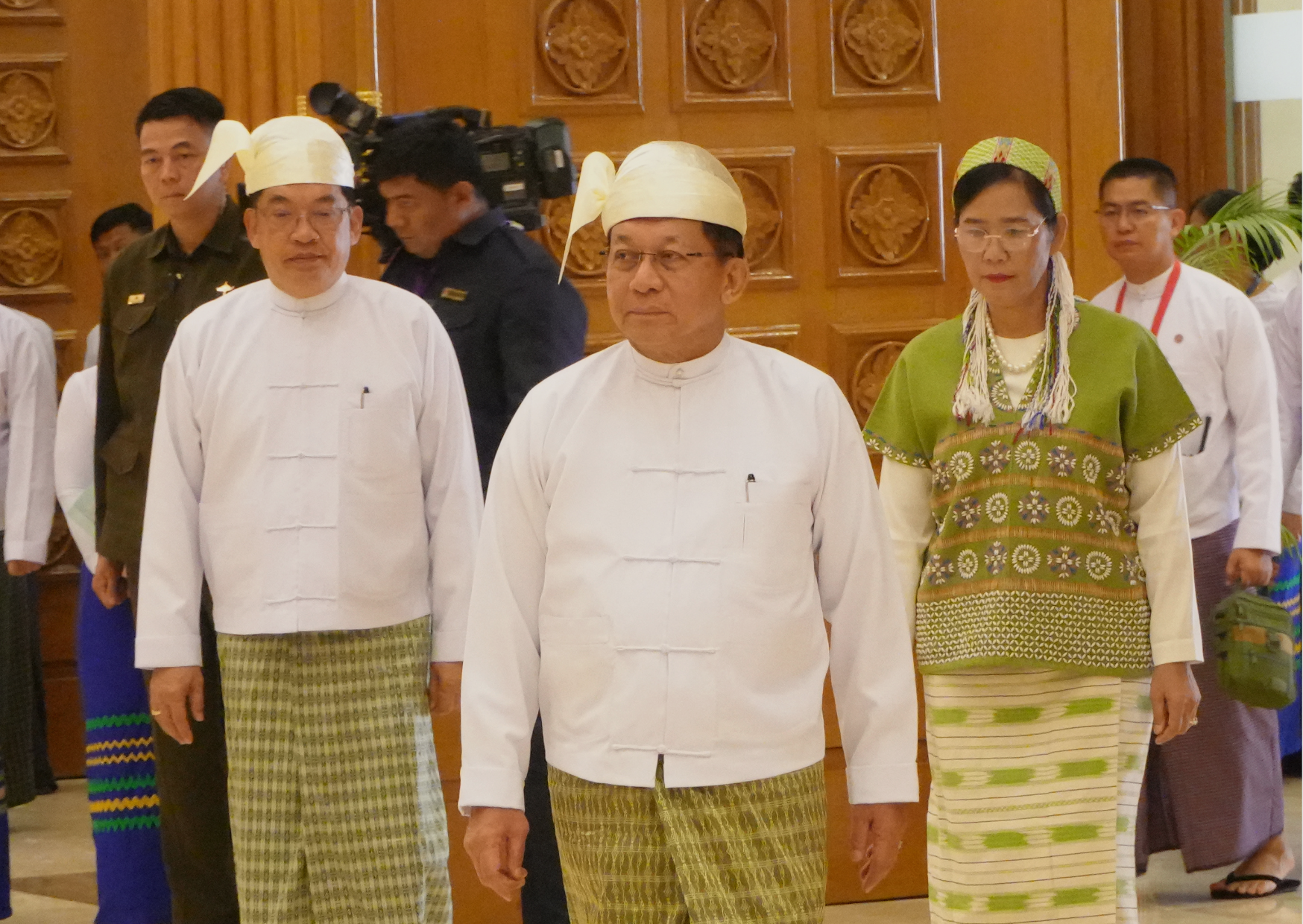
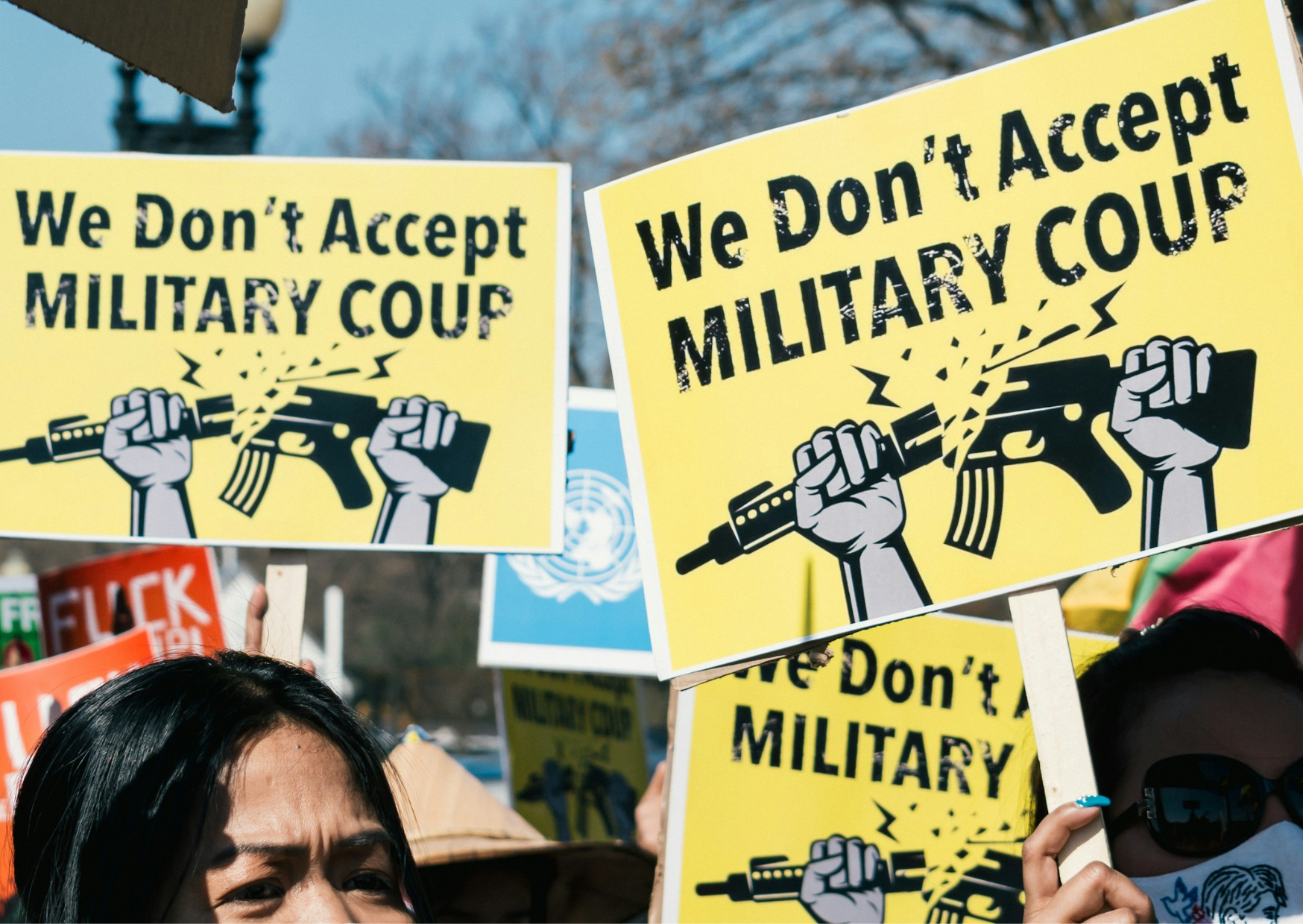
A protracted war that the Tatmadaw cannot win, but remains capable of sustaining, is becoming an increasingly poor investment for China.
Read MoreWritten by Linn Thit Htoo
A protracted war that the Tatmadaw cannot win, but remains capable of sustaining, is becoming an increasingly poor investment for China.
Read MoreWritten by Kushang Mishra
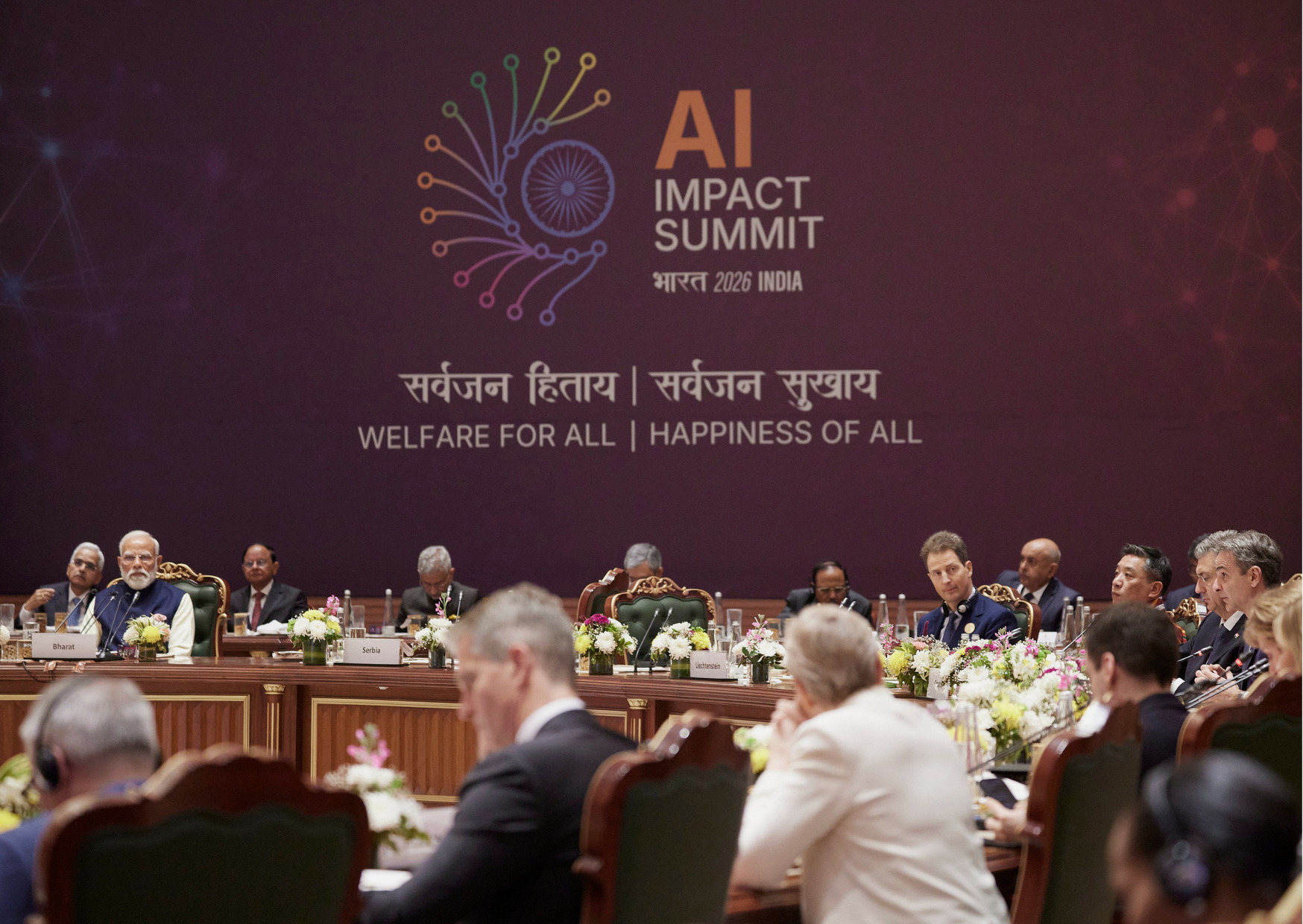
Instead of using this platform to champion a fairer system as an emerging leader of the Global South, the Indian government appeared content to secure a seat at the global power table and seek investments from the very Big Tech companies it has itself criticised in the past.
Read MoreWritten by Muhammad Izzuddin Al Haq
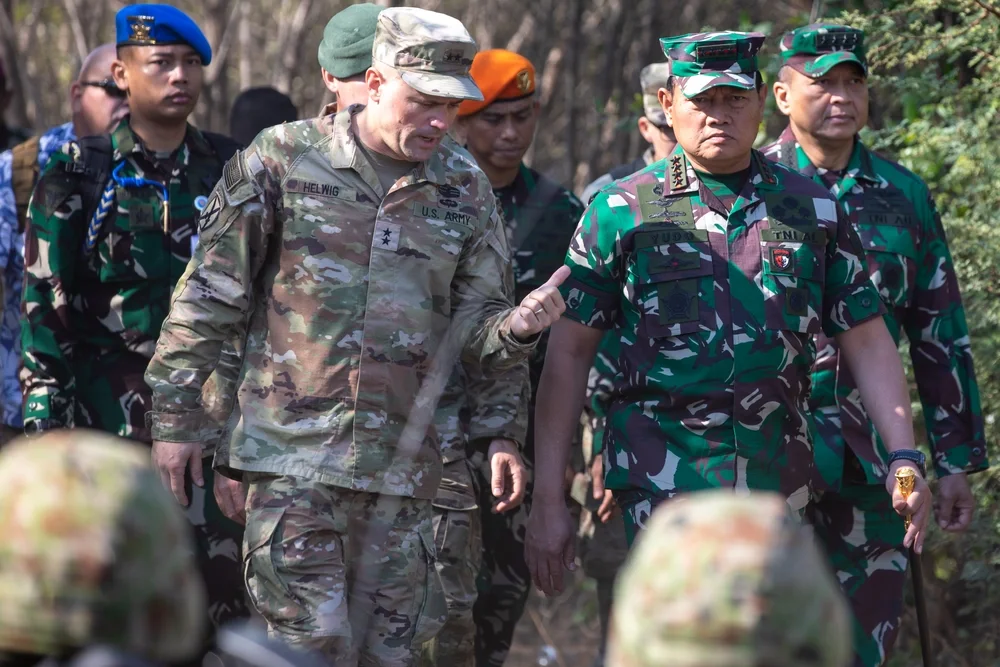
If other middle powers in the Indo-Pacific follow Jakarta’s stance in resisting formal alignment, the region may become one where multilateral cooperation works in peacetime but falls short in crises, including grey zone escalation.
Read MoreWritten by Apipol Sae-Tung
The regime’s institutional architecture is designed for continuity, but the energy crisis has introduced a level of volatility that requires a more agile and transparent response than the regime’s patronage-driven conservative roots traditionally allow.
Read MoreWritten by Anuttama Banerji and Dr. Sahar Khan
A central weakness in the partnership is the absence of shared operational experience. Unlike US treaty allies, India has not participated in high-intensity contingencies alongside US forces. This limits trust, slows decision-making, and increases the risk of misalignment.
Read MoreWritten by Chandarith Neak and Chhay Lim
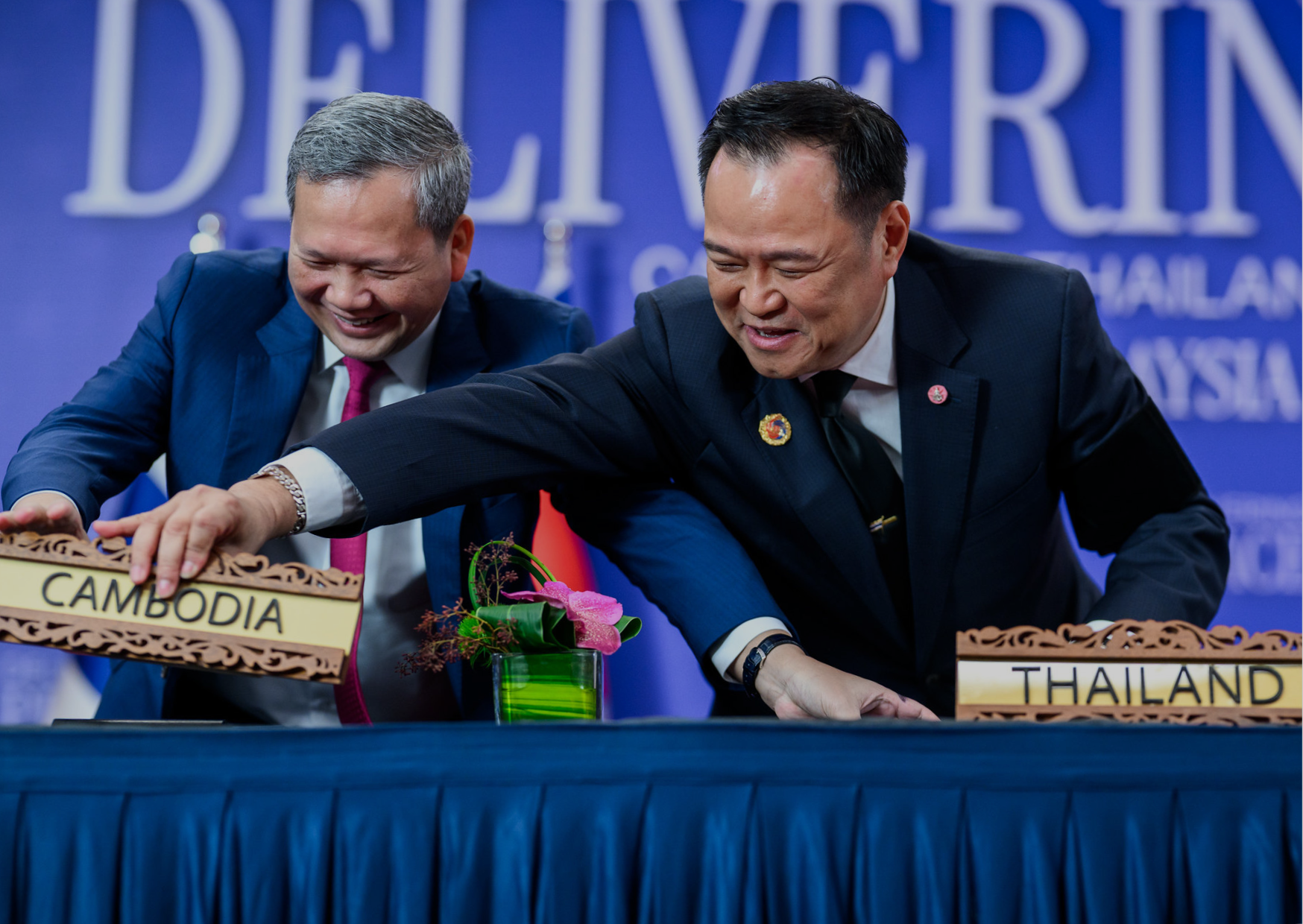
Cambodia’s partners would do well to start seeing it for what it is: a small state with its own interests, its own history, and no good options — only hard choices.
Read MoreWritten by Hunter Marston
The root of Myanmar’s crisis is political: as long as the military holds power, the country will be at war, and the economy will underperform.
Read MoreIn this episode, Bernd Lange MEP joins us for an in-depth conversation on EU trade negotiations with ASEAN partners — including Thailand, Malaysia, and the Philippines — and what they mean for Europe's geoeconomic future in the region, as well as the key issues on the road to agreement.
Subscribe now and never miss an episode.
Read MoreWritten by Sapna Suresh
Going forward, the success of India-EU defence cooperation hinges on whether Paris and Berlin can set aside their differences and prioritise the broader strategic picture of ensuring European strategic autonomy.
Read MoreThis month’s brief examines a system under increased strain: as conflict in the Middle East drives energy shocks and exposes fragile supply chains, Indo-Pacific states are navigating growing constraints — hedging across partners, absorbing economic pressure, and exploring alternative routes such as the Arctic’s emerging “Polar Silk Road” to preserve access, resilience, and strategic flexibility.
Join our briefing today and stay ahead of the curve.
Read MoreWritten by Kristofers Krumins
In a bid to power green and digital transitions, Europe is struggling with its dependence on Chinese exports that expose it to coercion, industrial disruption, and geopolitical pressure.
Read MoreWritten by Athena Charanne Presto and Maria Tanyag
The Philippines has had real regional influence on gender equality, supported by a long lineage of female diplomats, policymakers, and civil society leaders who have helped shape ASEAN’s gender equality architecture since its early years.
Read MoreWritten by Hans Horan
While such dialogue should not be entered into naively, persistent and earnest engagement would allow Washington to proceed cautiously and slowly transform its relationship with the regime in a sustainable fashion that benefits both parties.
Read MoreWritten by Dr. Aniello Iannone
Ultimately, the COC’s relevance will depend on whether it can institutionalise guardrails that shape incentives at sea, reduce the frequency and severity of grey-zone encounters, and make de-escalation after incidents more predictable.
Read MoreWritten by Peter Chai
If Japan is to navigate rising immigration without fuelling social division, public debate must move beyond simplified crime narratives. When officials discuss crimes by “foreigners” in isolation without historical context or comparisons with overall crime trends and across subgroups, they risk creating an unbalanced narrative and fuelling concerns about xenophobia.
Read MoreWritten by Daniel McIntyre
The immediate results of her trip may yield modest concessions, perhaps on tourism or the lifting of restrictions on Taiwanese imports. But without a sustained reduction in military pressure and an end to large-scale exercises, these would be quickly eclipsed.
Read MoreWritten by Chiara Boldrini
At the international level, India’s carefully cultivated claim to speak on behalf of the Global South is being progressively undermined by its repeated failure to engage substantively with crises that bear directly on the normative principles it has historically espoused.
Read MoreWritten by William J. Jones and Dr Thanachate Wisaijorn
Ultimately, the current trajectory presents two distinct interpretations: it may be viewed cynically as a method to advance corporate and elite interests by using cheap nationalism, or pragmatically as a necessary step to access valuable economic resources blocked by territorial disputes.
Read More