Written by Leonardo Morreale
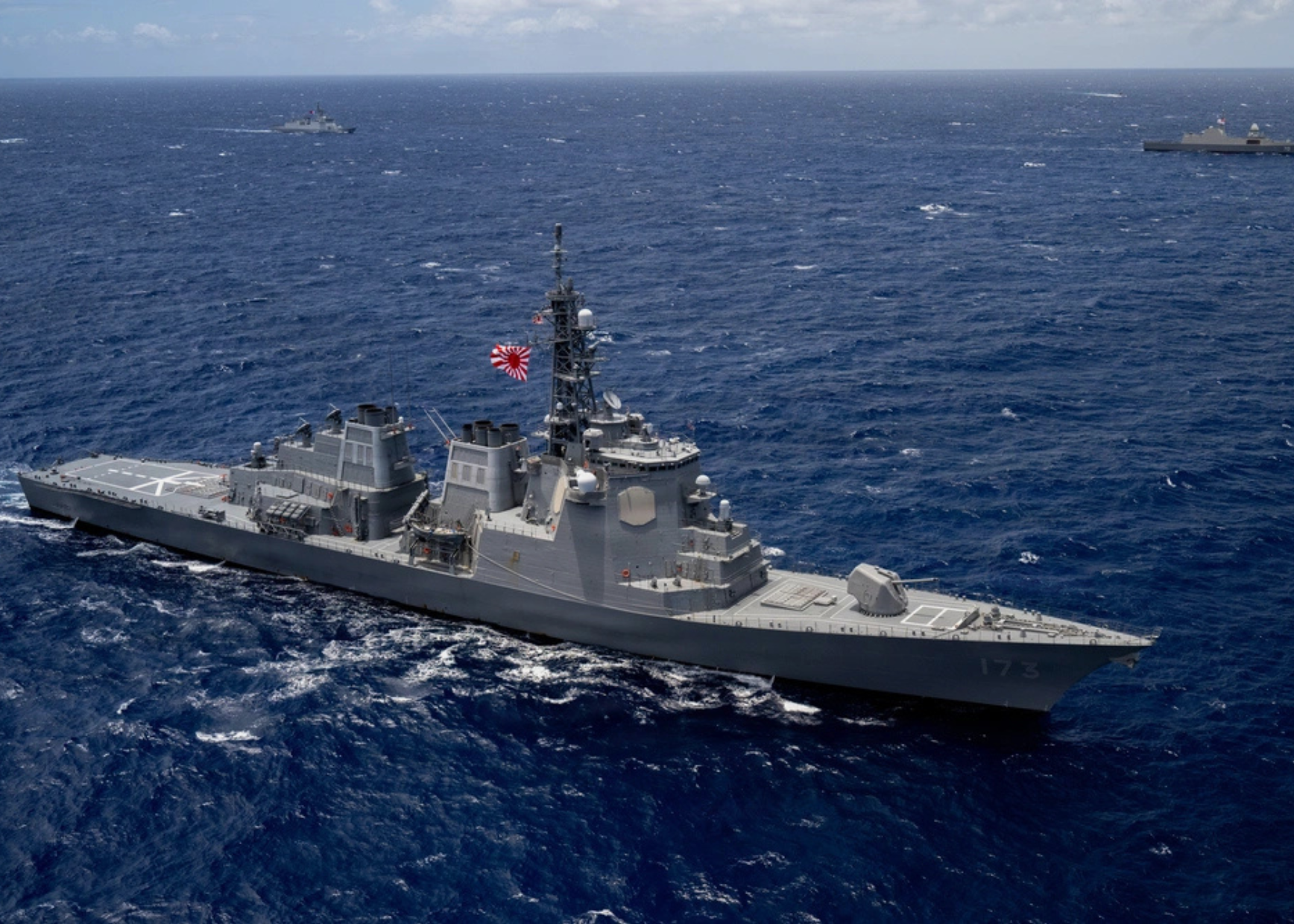
In a first clash, both China and Japan would be learning the most expensive lessons in real time, and the side that adapts faster, not the side with more hulls, would likely prevail.
Read MoreWritten by Leonardo Morreale
In a first clash, both China and Japan would be learning the most expensive lessons in real time, and the side that adapts faster, not the side with more hulls, would likely prevail.
Read MoreWritten by Dr Anisa Heritage
While a consolidation strategy offers a sensible course correction, deterrence in the Indo-Pacific depends as much on regional confidence in long-term political commitments as it does on military capability.
Read MoreWritten by Anuttama Banerji and Dr. Sahar Khan
A central weakness in the partnership is the absence of shared operational experience. Unlike US treaty allies, India has not participated in high-intensity contingencies alongside US forces. This limits trust, slows decision-making, and increases the risk of misalignment.
Read MoreWritten by Dr Gabriele Abbondanza
All things considered, it seems evident that Italy is ready to develop and issue a formal Indo-Pacific strategy that considers national, European, and Indo-Pacific interests as vital components of a strategic whole.
Read More