Posts tagged Sri Lanka
The Navigator’s August issue — out now

The August edition of THE NAVIGATOR is now available, delivering in-depth analysis, up-to-date information, and a comprehensive look at the Indo-Pacific region. This month we examine a region facing mounting pressure on multiple fronts. From extreme climate shocks and economic strain to shifting security partnerships and great-power competition, governments across the Indo-Pacific are increasingly focused on resilience, adaptability, and domestic stability.

Join our briefing today and stay ahead of the curve.

Read More
The Navigator’s July issue — out now

This month, we examine EU engagement with the Taliban, where Chris Fitzgerald argues that efforts to curb irregular migration risk undermining the bloc's longstanding commitment to human rights and international law. As Europe weighs strategic pragmatism against its normative identity, Fitzgerald asks what is sacrificed when geopolitical priorities take precedence over democratic values.

Join our briefing today and stay ahead of the curve.

Read More
The Navigator’s June issue — out now

This month’s brief examines Taiwan–Lithuania relations, where shared experiences of external pressure have driven closer political and tech cooperation. Five years on from Vilnius hosting Taiwan’s Representative Office, the relationship remains strongest politically, while delivering more limited economic outcomes — highlighting the challenge of turning strategic alignment into tangible shared success. Alongside this, our regional review explores an Indo-Pacific defined by fragmentation and adaptation.

Join our briefing today and stay ahead of the curve.

Read More
The Navigator’s May issue — out now

May highlights a defining trend across the Indo-Pacific: economic pressure and strategic competition are increasingly intertwined, as heatwaves, energy shocks, and supply-chain strain drive states to hedge more actively in a fragmented global order. This month’s feature examines Europe’s growing “strategic self-containment” in its China policy, reflecting a wider pattern of anticipatory restraint as states recalibrate under geopolitical pressure.

Join our briefing today and stay ahead of the curve.

Read More
The Navigator’s April issue — out now

This month’s brief examines a system under increased strain: as conflict in the Middle East drives energy shocks and exposes fragile supply chains, Indo-Pacific states are navigating growing constraints — hedging across partners, absorbing economic pressure, and exploring alternative routes such as the Arctic’s emerging “Polar Silk Road” to preserve access, resilience, and strategic flexibility.

Join our briefing today and stay ahead of the curve.

Read More
The Navigator’s March issue — out now

This month we examine a world under pressure: as conflict in the Middle East disrupts energy flows, Indo-Pacific states confront constrained choices, balancing neutrality, domestic stability, and external dependencies. From political resets in Nepal and Bangladesh to energy rationing in Sri Lanka and heightened strategic signalling across East and Southeast Asia, March highlights how governments are adapting in real time to a more interconnected and volatile global order.

Join our briefing today and stay ahead of the curve.

Read More
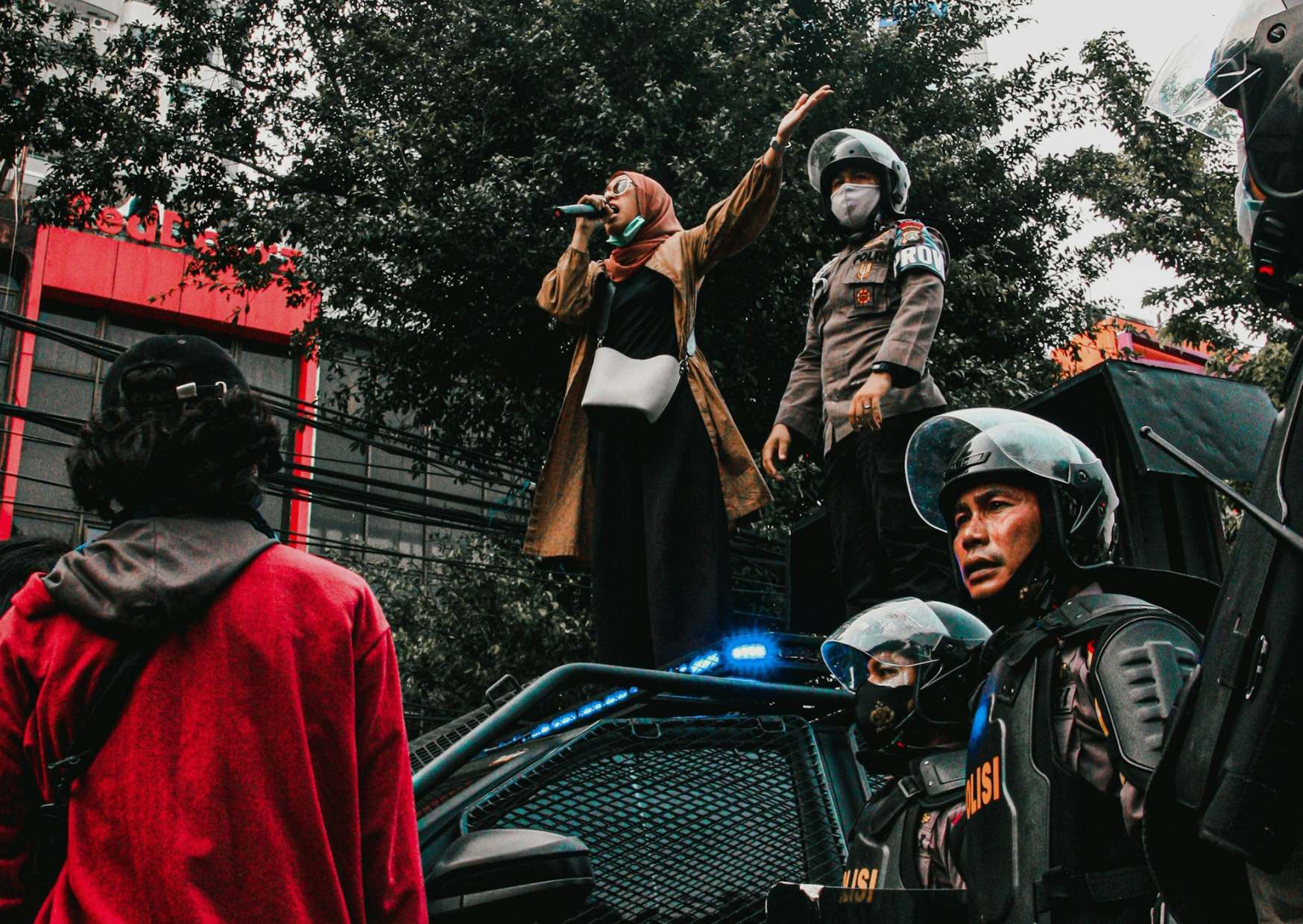
Youth-led protest movements across South and Southeast Asia seek a political reset 

Written by Adhiraaj Anand

Deeper and more sustained transnational exchanges could foster new regional identities and solidarities between national protest movements, as well as increase their resilience and capacity for innovation.

Read More
People for democracy, states for impunity: Competing transnational solidarities in Southeast Asia

Written by Yatana Yamahata

Solidarity among Southeast Asians has strengthened pro-democracy movements across the region and, in doing so, fostered a sense of shared regional identity. ASEAN, however, does not mirror nor reinforce this solidarity. Instead, it remains constrained by its founding principle of non-interference.

Read More
India’s critical role in safeguarding undersea cables

Written by Arun Teja Polcumpally

To safeguard its internet infrastructure, India must invest in indigenous undersea cable maintenance capabilities, including commissioning Indian-flagged vessels for rapid response within its territorial waters and exclusive economic zone.

Read More
Sri Lanka’s potential political realignment

Written by Dr Neil DeVotta

Ultimately, given the dire economic and debt situation facing the island, the victorious candidate and his party will have little choice but to balance relations with major powers like India, China, and the United States.

Read More
Sri Lankan economy: Crisis, consolidation, and collaboration

Written by Soumya Bhowmick

Restructuring Sri Lanka’s debt, particularly with major creditors such as India and China, gives Colombo a certain amount of leverage in negotiations with the IMF and reflects shifting regional dynamics.

Read More
Sino-India rivalry for port dominance in Bangladesh

Written by Mae Chow and Shakthi De Silva

Ultimately, Bangladesh's ability to maintain constructive engagements with China and India will not only shape its own future trajectory but also contribute significantly to the stability and prosperity of the broader Indo-Pacific region.

Read More
China-Maldives military agreement: an upgrade to the bilateral relationship

Written by Lea Thome

The Maldives finds itself caught in a tug-of-war between India and China. However, Malé under Muizzu’s presidency has shown increasing openness towards China as it strives to navigate the balance between the two countries and maintain its own sovereignty.

Read More
BRI 2.0: Reflecting on the past, charting the future

Written by Kelly Antoinette Khyriem

As criticisms propel the initiative towards a BRI 2.0, if China actively addresses and mitigates risks associated with its projects by enhancing transparency and accountability frameworks, it has the potential to outpace the emerging alternatives that are challenging the BRI.

Read More
Manila is shopping, not re-aligning

Written by Drake Long

Rather than celebrating each time a country publicly cancels a Chinese project, the US, Australia, the EU, and other nations competing for influence at the expense of Beijing should keep in mind the wider picture — Manila and other capitals like it are shopping around for alternatives.

Read More
BIMSTEC revival: A compelling alternative to the BRI in the Bay of Bengal

Written by Eve Register

It will be important for BIMSTEC to learn from the mistakes of the BRI if it is to work as a viable alternative for countries in the Bay of Bengal region.

Read More
In Conversation with Kate Cronin-Furman

9DASHLINE recently sat down with Dr Kate Cronin-Furman to discuss her important new book Hypocrisy and Human Rights: Resisting Accountability for Mass Atrocities.

The book investigates the diverse ways in which repressive regimes respond to calls for justice and accountability and argues that international pressure can produce valuable results through indirect paths.

Read More