Navigating our future together? The Philippines as a gender equality champion abroad, work in progress at home

Written by Athena Charanne Presto and Maria Tanyag

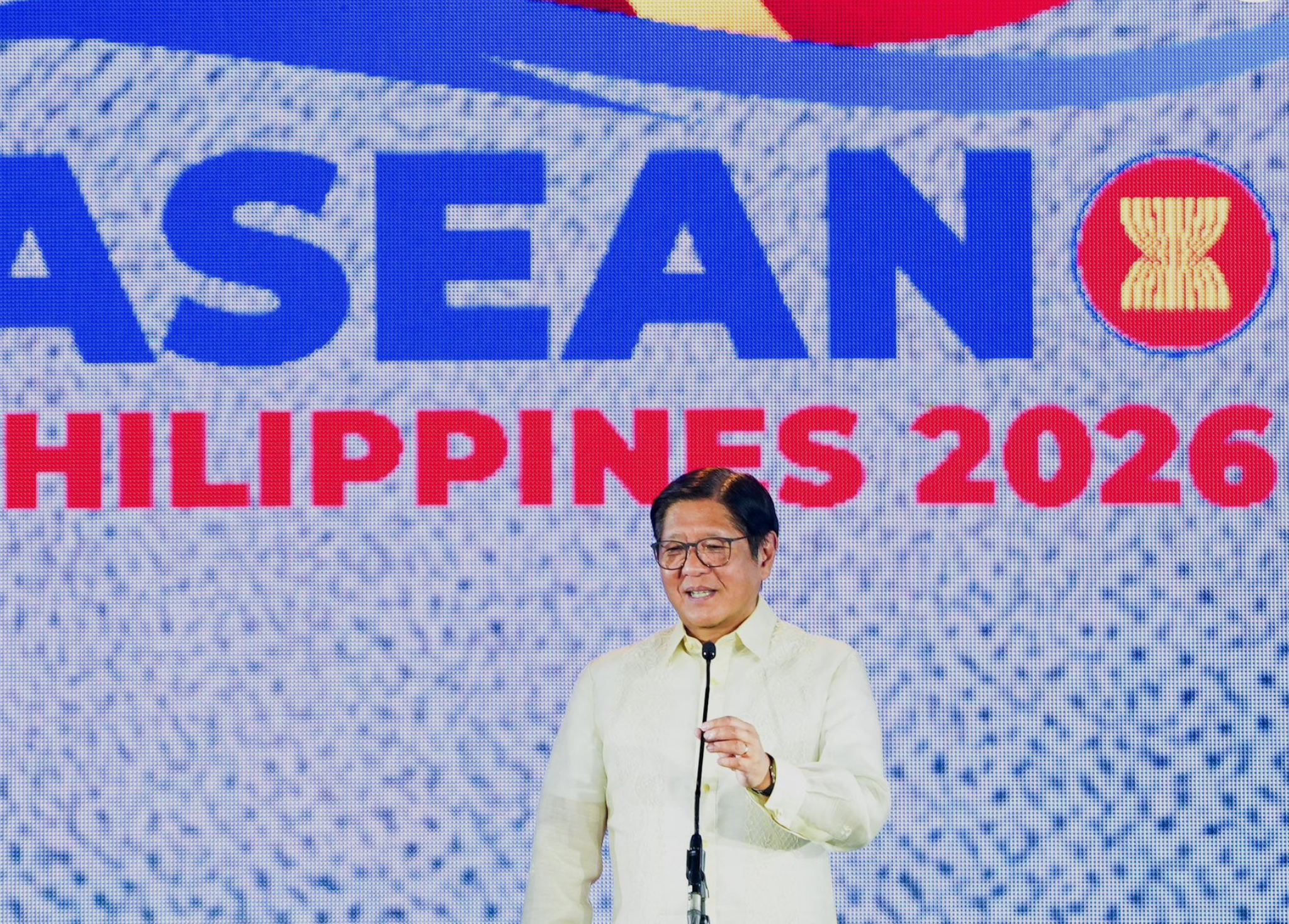
The Philippines has had real regional influence on gender equality, supported by a long lineage of female diplomats, policymakers, and civil society leaders who have helped shape ASEAN’s gender equality architecture since its early years.

Read More
Keeping the door open: Rethinking Washington’s approach to North Korea and denuclearisation

Written by Hans Horan

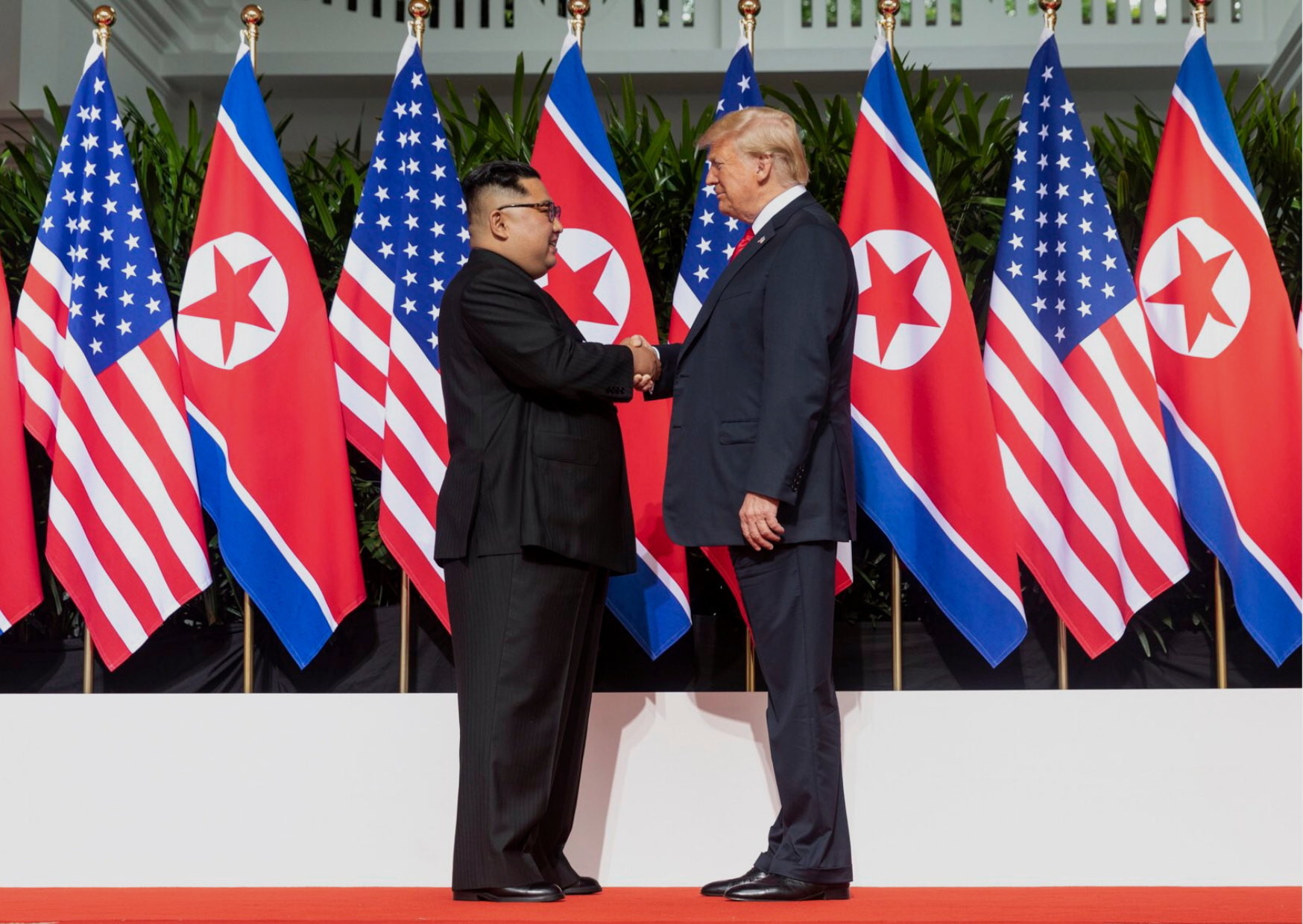
While such dialogue should not be entered into naively, persistent and earnest engagement would allow Washington to proceed cautiously and slowly transform its relationship with the regime in a sustainable fashion that benefits both parties.

Read More
The South China Sea Code as a test of ASEAN’s agency

Written by Dr. Aniello Iannone

Ultimately, the COC’s relevance will depend on whether it can institutionalise guardrails that shape incentives at sea, reduce the frequency and severity of grey-zone encounters, and make de-escalation after incidents more predictable.

Read More
Interpreting crime data in Japan's immigration debate

Written by Peter Chai

If Japan is to navigate rising immigration without fuelling social division, public debate must move beyond simplified crime narratives. When officials discuss crimes by “foreigners” in isolation without historical context or comparisons with overall crime trends and across subgroups, they risk creating an unbalanced narrative and fuelling concerns about xenophobia.

Read More
Cheng's China gambit — can Xi meeting alter the KMT’s fortunes?

Written by Daniel McIntyre

The immediate results of her trip may yield modest concessions, perhaps on tourism or the lifting of restrictions on Taiwanese imports. But without a sustained reduction in military pressure and an end to large-scale exercises, these would be quickly eclipsed.

Read More
Caught off guard? The strategic implications of the Iran war for India

Written by Chiara Boldrini

At the international level, India’s carefully cultivated claim to speak on behalf of the Global South is being progressively undermined by its repeated failure to engage substantively with crises that bear directly on the normative principles it has historically espoused.

Read More
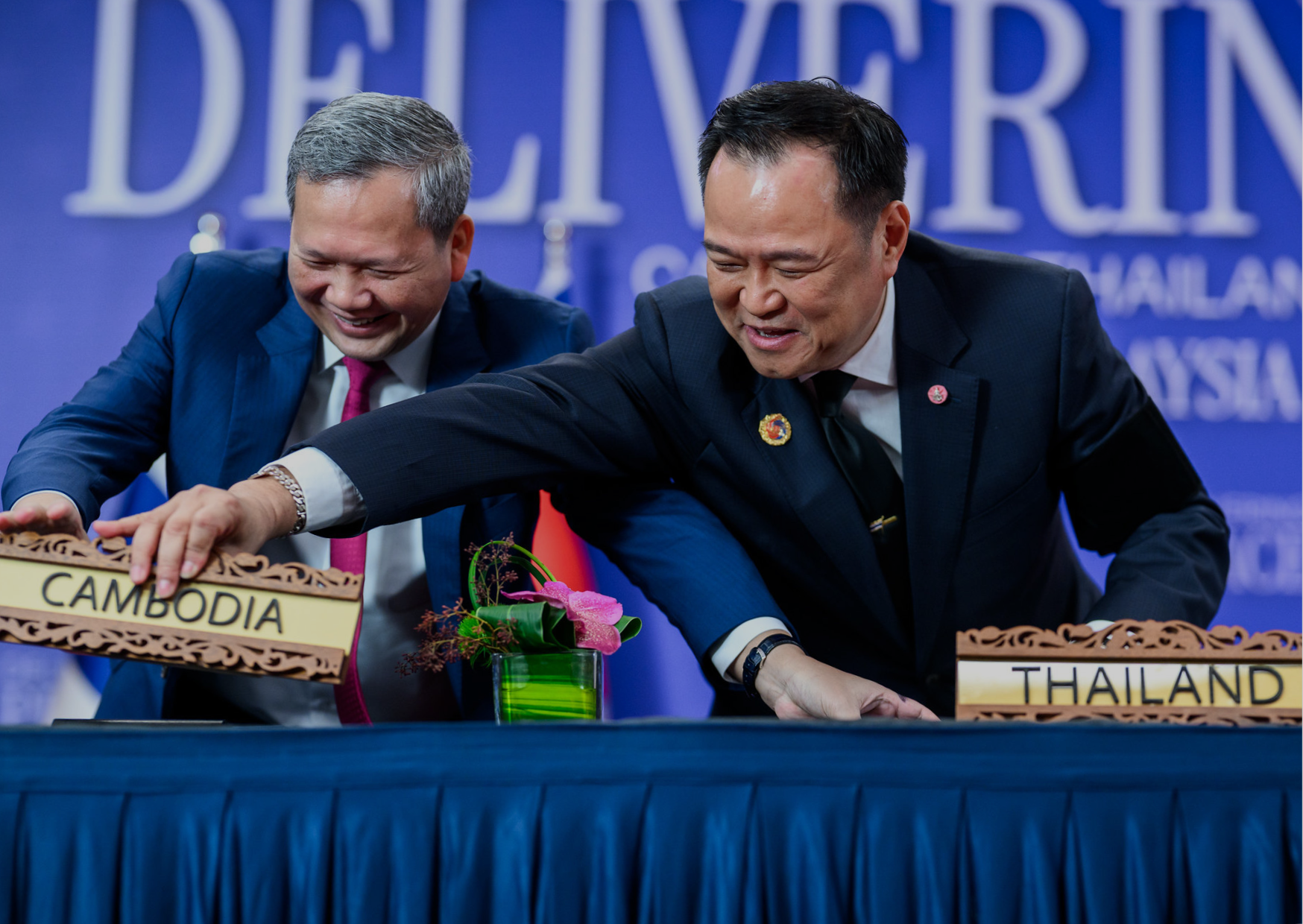
The patriot's paradox: Thailand's withdrawal from MOU 44, cheap nationalism, and elite interests

Written by William J. Jones and Dr Thanachate Wisaijorn

Ultimately, the current trajectory presents two distinct interpretations: it may be viewed cynically as a method to advance corporate and elite interests by using cheap nationalism, or pragmatically as a necessary step to access valuable economic resources blocked by territorial disputes.

Read More
Grey-zone drones: Lessons for Europe from the Indo-Pacific

Written by Thijs Stegeman

Europe must communicate clear thresholds and move forward with its own integrated drone defence, or risk allowing Russia’s grey-zone drone activity to become the new normal.

Read More
The road to Indonesia’s nickel industrialisation runs through China

Written by Anoushka Singh

Without rewriting the terms on which capital and expertise enter the sector, Indonesia’s nickel future may continue to be shaped elsewhere, despite being mined at home.

Read More
The Navigator’s March issue — out now

This month we examine a world under pressure: as conflict in the Middle East disrupts energy flows, Indo-Pacific states confront constrained choices, balancing neutrality, domestic stability, and external dependencies. From political resets in Nepal and Bangladesh to energy rationing in Sri Lanka and heightened strategic signalling across East and Southeast Asia, March highlights how governments are adapting in real time to a more interconnected and volatile global order.

Join our briefing today and stay ahead of the curve.

Read More
What the evolution of China’s Health Silk Road means for the World Health Organisation

Written by Paulo Afonso B. Duarte and Anabela Rodrigues Santiago

Through participation, financing, and programme implementation, the HSR enables China to translate practical health engagement into institutional influence within the WHO, shaping priorities and norms within the multilateral system.

Read More
The Philippines’ hard balancing statecraft won’t deliver the South China Sea Code of Conduct

Written by Pheng Thean

If the Philippines seeks a realistic pathway towards a functional COC — and to preserve ASEAN’s credibility as a neutral convening platform — it must complement its instruments of statecraft with more targeted diplomatic adjustments.

Read More
Nepal's new political generation and the India-China contest for influence

Written by Omkar Bhole

Nepal’s 2026 elections have not fundamentally altered the structural realities of its foreign policy, but they have introduced Gen Z as a new political actor that could reshape how external influence is exercised.

Read More
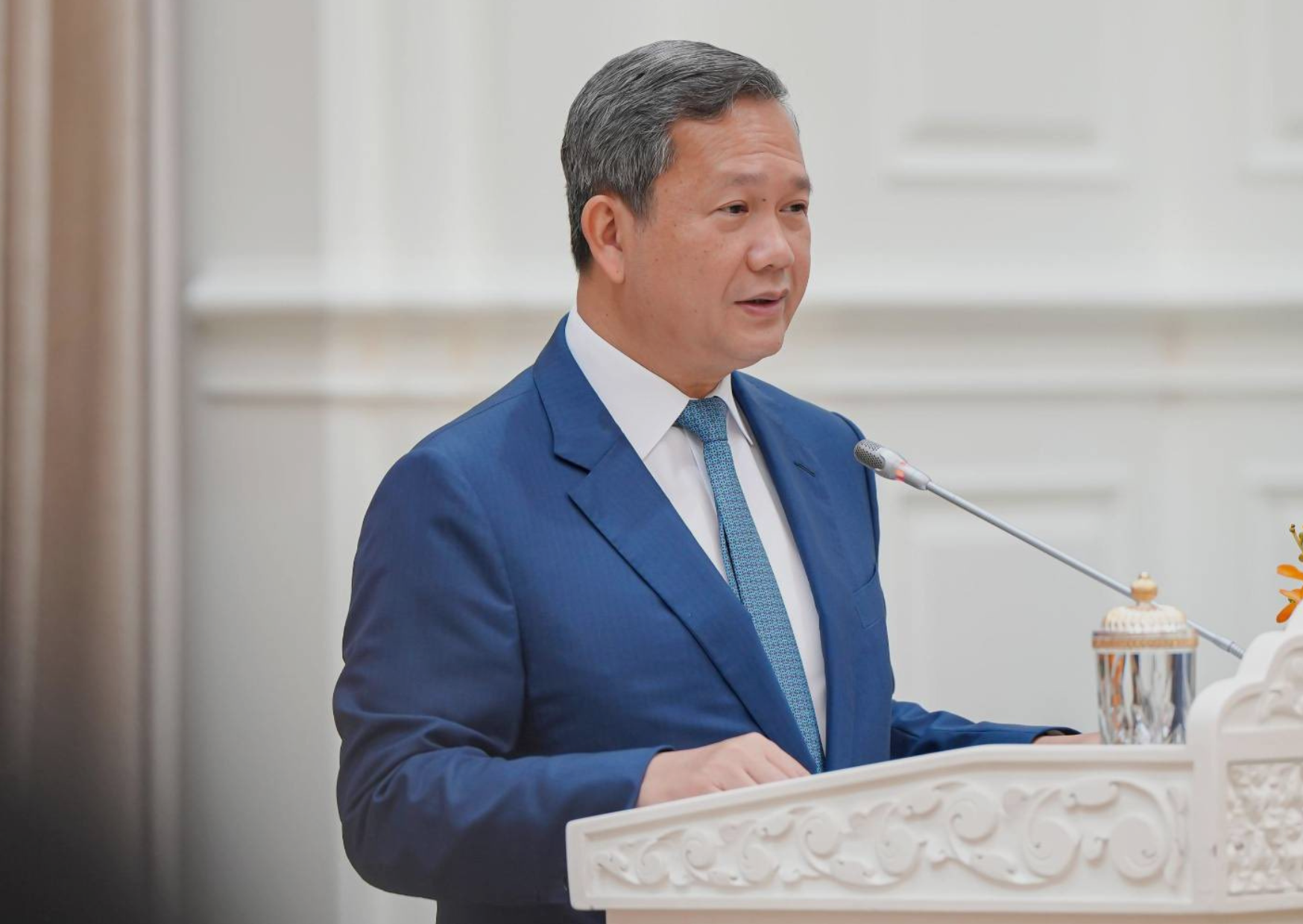
The illusion of reform: Hun Manet’s Cambodia, three years on

Written by Vanly Seng

Reform has failed not through a lack of effort, but through a lack of will, as dismantling the system of authoritarian constitutionalism would directly undermine the CPP’s hold on power.

Read More
From strategic upgrading to sovereign AI: East Asia under renewed pressure

Written by Viktor Buzna

Just as steel, petrochemicals, and semiconductors once underpinned national resilience, computing power and AI ecosystems define economic and strategic autonomy today.

Read More
Restraint or recalibration? US strategy in the Indo-Pacific

Debate over Donald Trump’s “America First” strategy raises questions about whether the United States is pursuing restraint or reshaping its role in the Indo-Pacific region. We recently invited several experts to assess how shifting defence burdens to allies like Japan and South Korea is affecting deterrence and alliance credibility.

Together they explore the implications for regional stability and competition with China.

Read More
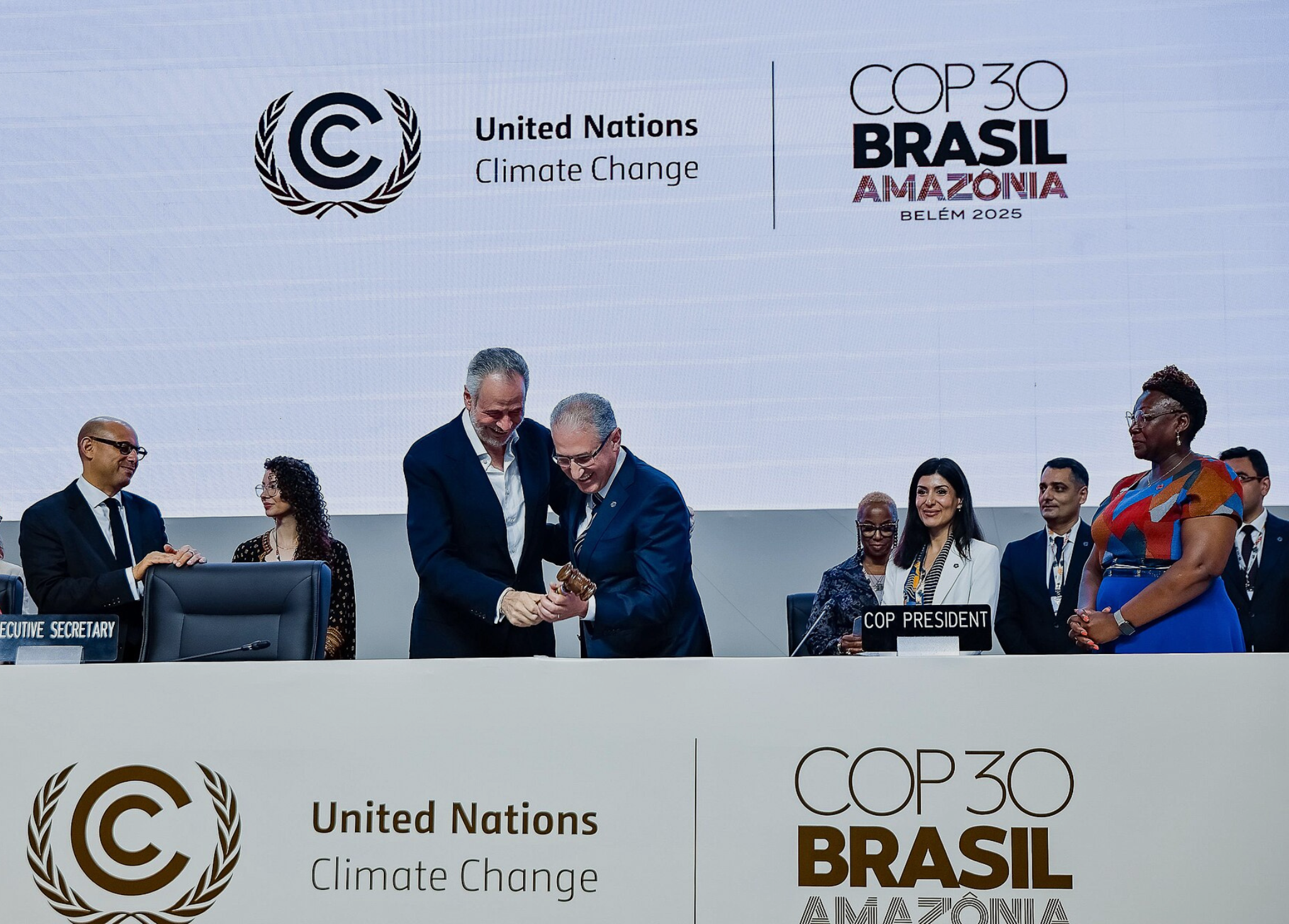
COP30: The struggle for ambitious action in a shifting climate governance order

Written by Luana Correia

Influence in climate diplomacy is becoming increasingly dispersed, as traditional agenda-setters fail to consolidate their authority, creating space for competing interests — and claims to leadership — to shape outcomes.  

Read More
Carney inaugurates 'global centrism': but how will the Indo-Pacific feature?

Written by Quay Say Jye and Connor O’Brien

The thorny question remains what lines are not worth crossing, and when normative and institutional guardrails may prove strategically beneficial over the long term, especially for small and middle powers.

Read More