Written by Anoushka Singh
Without rewriting the terms on which capital and expertise enter the sector, Indonesia’s nickel future may continue to be shaped elsewhere, despite being mined at home.
Read MoreWritten by Anoushka Singh
Without rewriting the terms on which capital and expertise enter the sector, Indonesia’s nickel future may continue to be shaped elsewhere, despite being mined at home.
Read MoreThis month we examine a world under pressure: as conflict in the Middle East disrupts energy flows, Indo-Pacific states confront constrained choices, balancing neutrality, domestic stability, and external dependencies. From political resets in Nepal and Bangladesh to energy rationing in Sri Lanka and heightened strategic signalling across East and Southeast Asia, March highlights how governments are adapting in real time to a more interconnected and volatile global order.
Join our briefing today and stay ahead of the curve.
Read MoreWritten by Paulo Afonso B. Duarte and Anabela Rodrigues Santiago
Through participation, financing, and programme implementation, the HSR enables China to translate practical health engagement into institutional influence within the WHO, shaping priorities and norms within the multilateral system.
Read MoreWritten by Pheng Thean
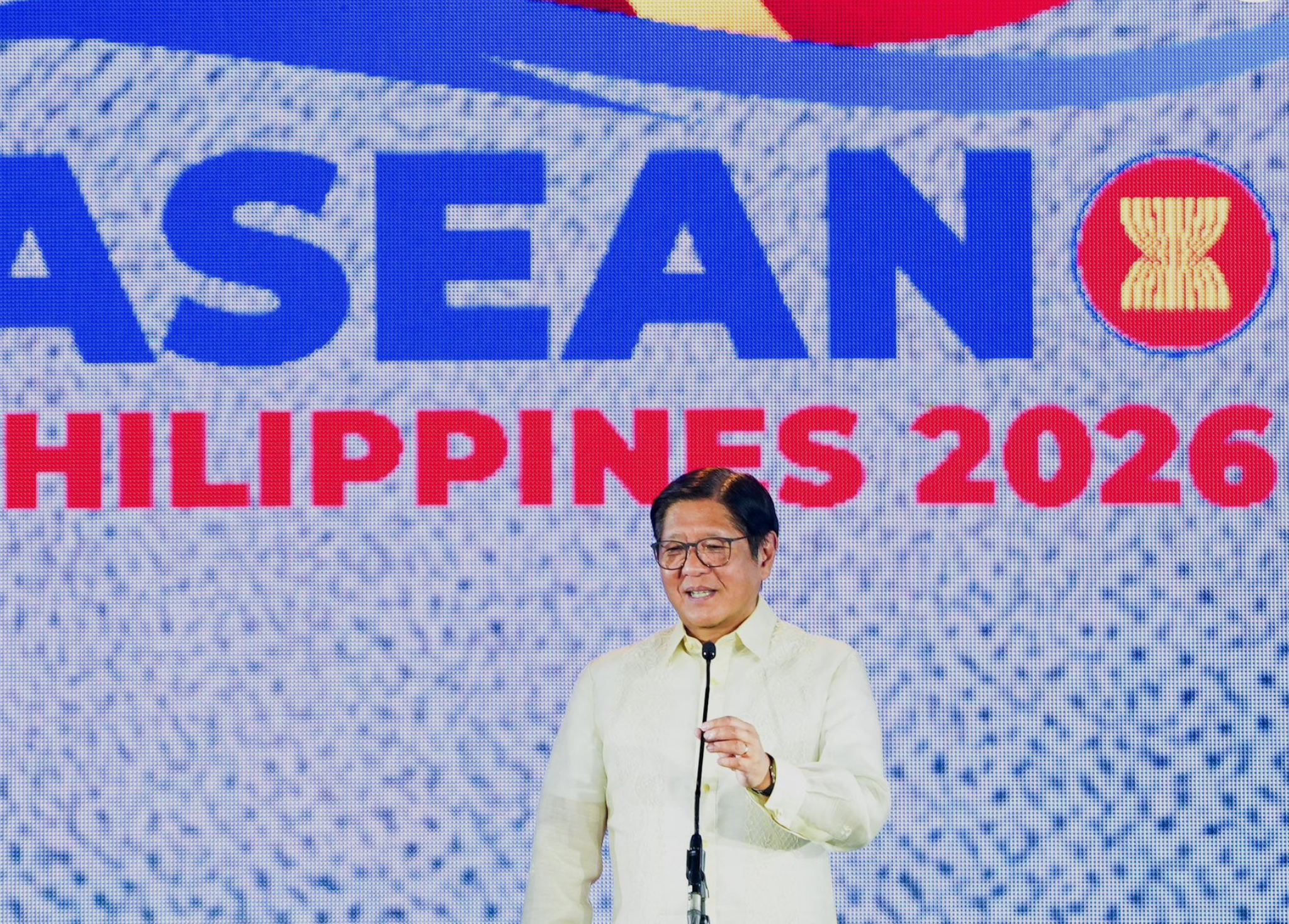
If the Philippines seeks a realistic pathway towards a functional COC — and to preserve ASEAN’s credibility as a neutral convening platform — it must complement its instruments of statecraft with more targeted diplomatic adjustments.
Read MoreWritten by Omkar Bhole
Nepal’s 2026 elections have not fundamentally altered the structural realities of its foreign policy, but they have introduced Gen Z as a new political actor that could reshape how external influence is exercised.
Read MoreWritten by Vanly Seng
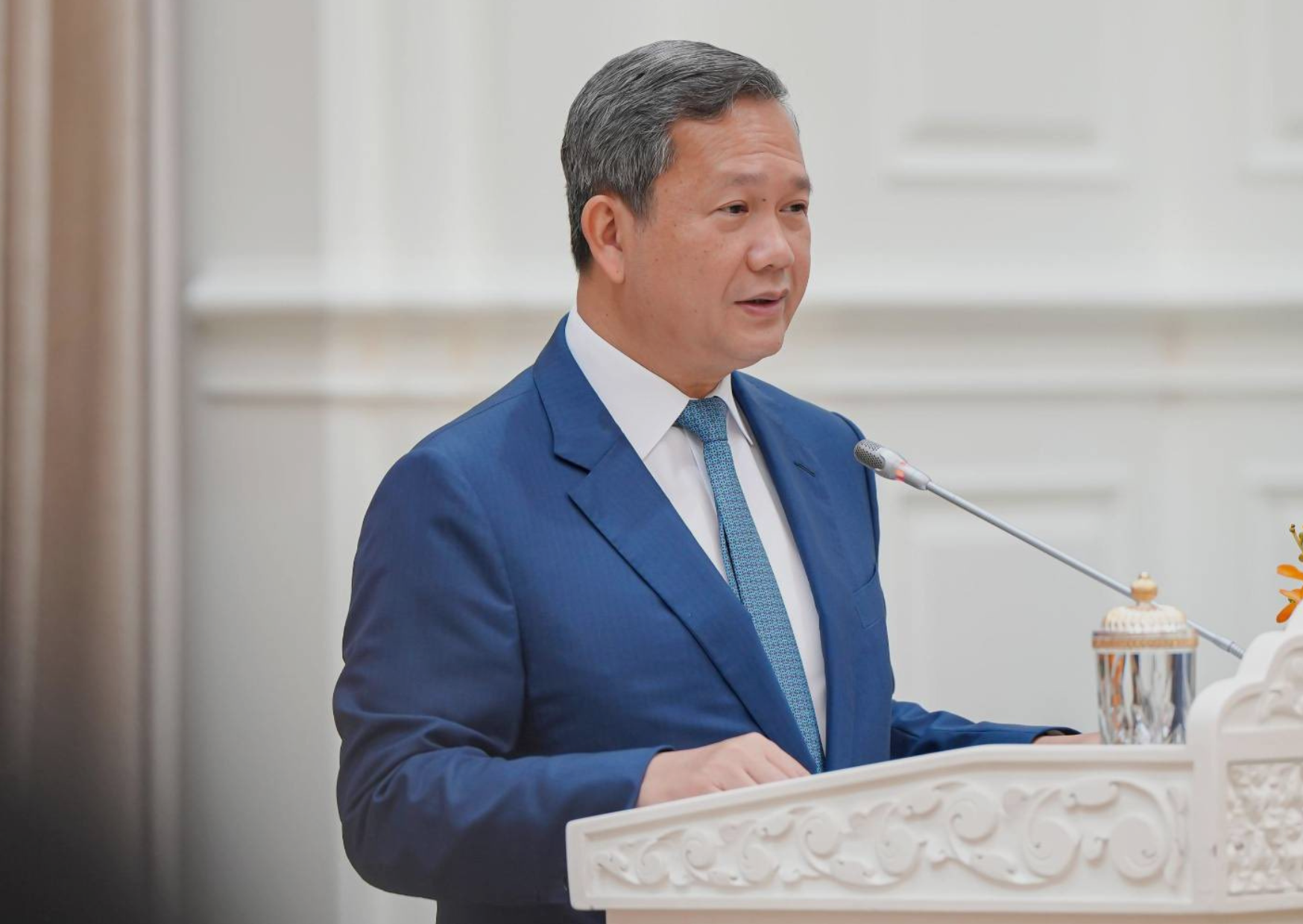
Reform has failed not through a lack of effort, but through a lack of will, as dismantling the system of authoritarian constitutionalism would directly undermine the CPP’s hold on power.
Read MoreWritten by Viktor Buzna
Just as steel, petrochemicals, and semiconductors once underpinned national resilience, computing power and AI ecosystems define economic and strategic autonomy today.
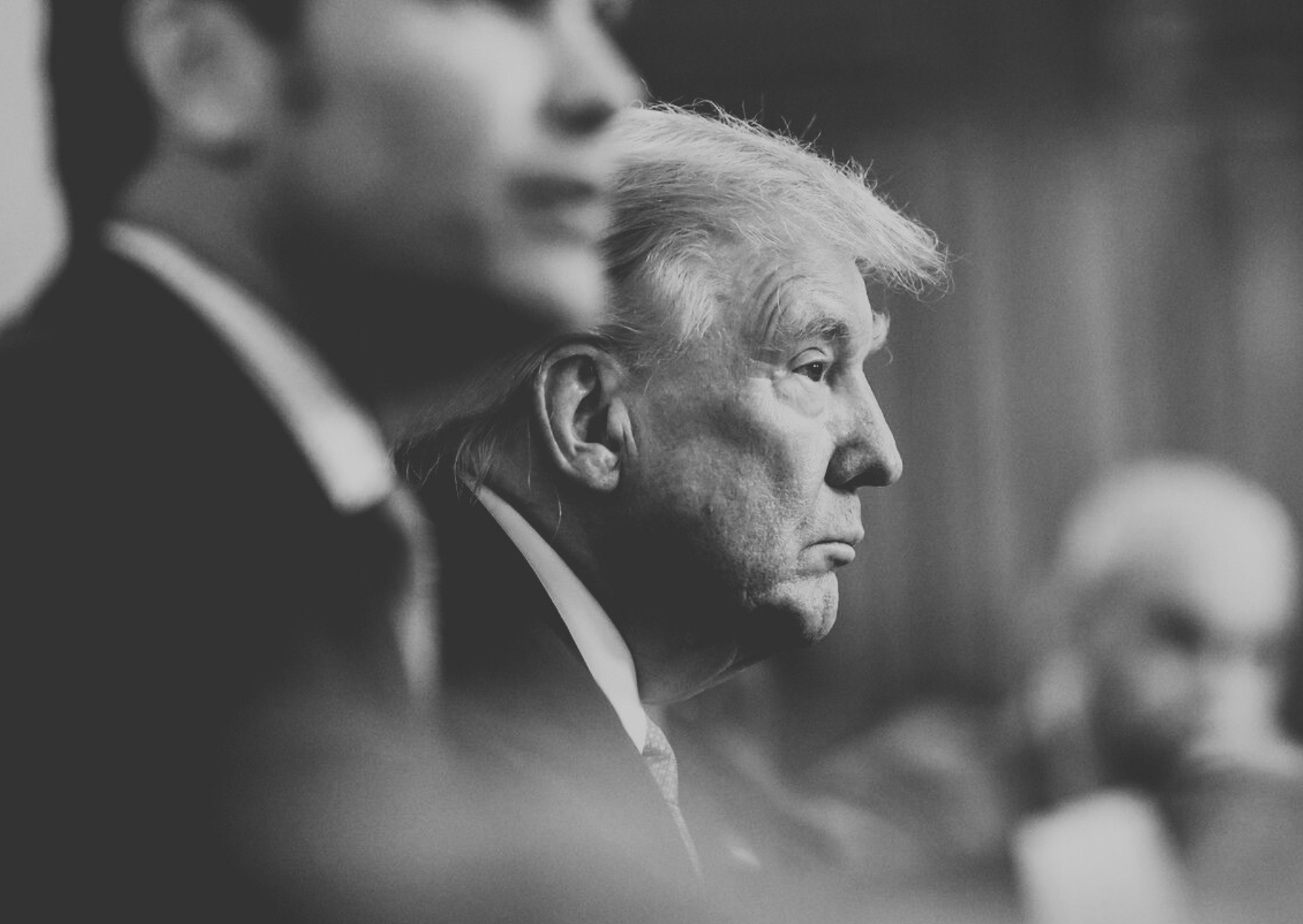
Read MoreDebate over Donald Trump’s “America First” strategy raises questions about whether the United States is pursuing restraint or reshaping its role in the Indo-Pacific region. We recently invited several experts to assess how shifting defence burdens to allies like Japan and South Korea is affecting deterrence and alliance credibility.
Together they explore the implications for regional stability and competition with China.
Read MoreWritten by Luana Correia
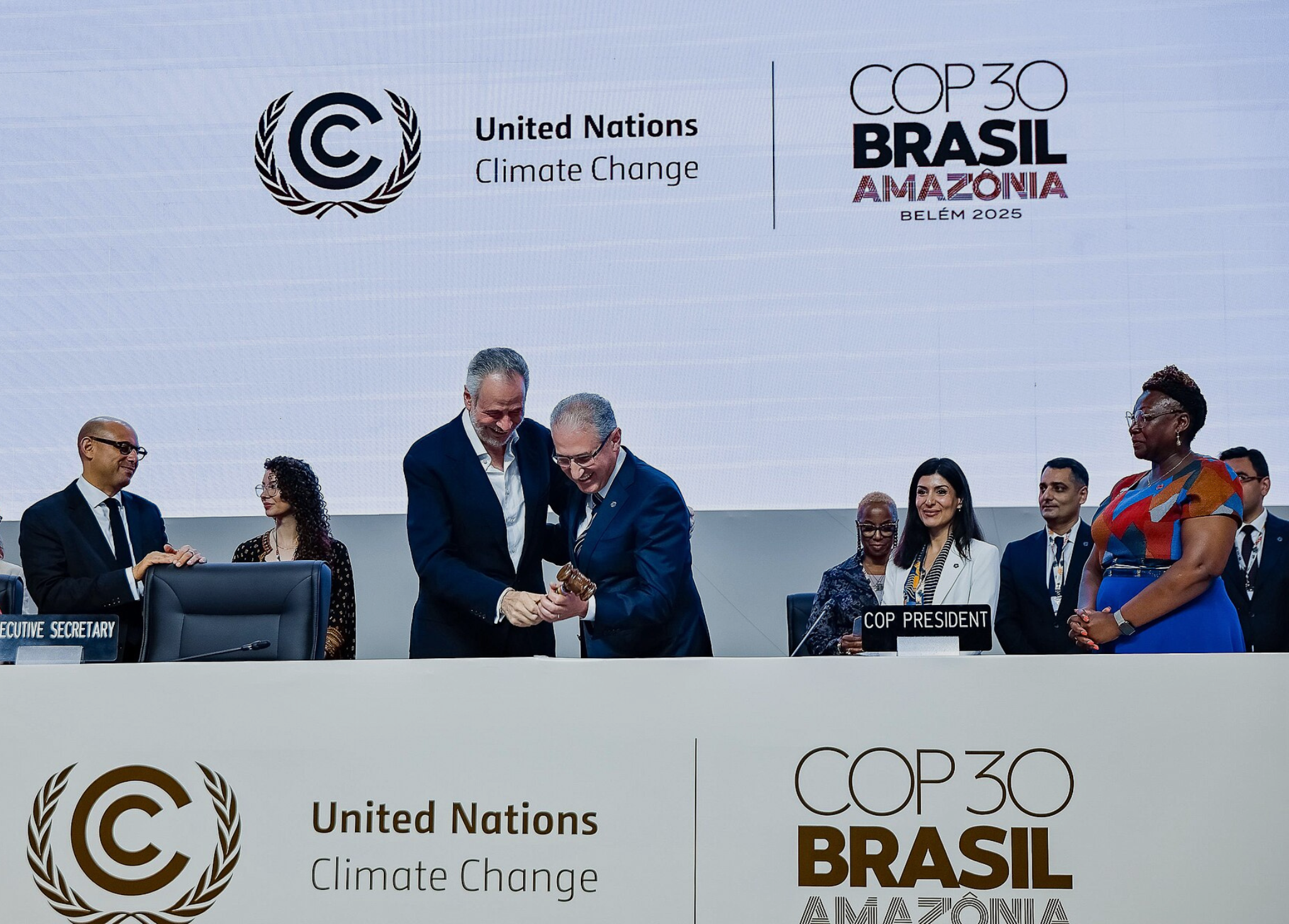
Influence in climate diplomacy is becoming increasingly dispersed, as traditional agenda-setters fail to consolidate their authority, creating space for competing interests — and claims to leadership — to shape outcomes.
Read MoreWritten by Quay Say Jye and Connor O’Brien
The thorny question remains what lines are not worth crossing, and when normative and institutional guardrails may prove strategically beneficial over the long term, especially for small and middle powers.
Read MoreWritten by Jeremy Youde
If the existing liberal international order is indeed undergoing a profound and transformative shift, and not just a reaction to Trump’s foreign policy, then there is an opportunity for change that will better serve people all over the world — or a chance for humanity to fall further from its collective aspirations.
Read MoreWritten by Omar Rasya Joenoes
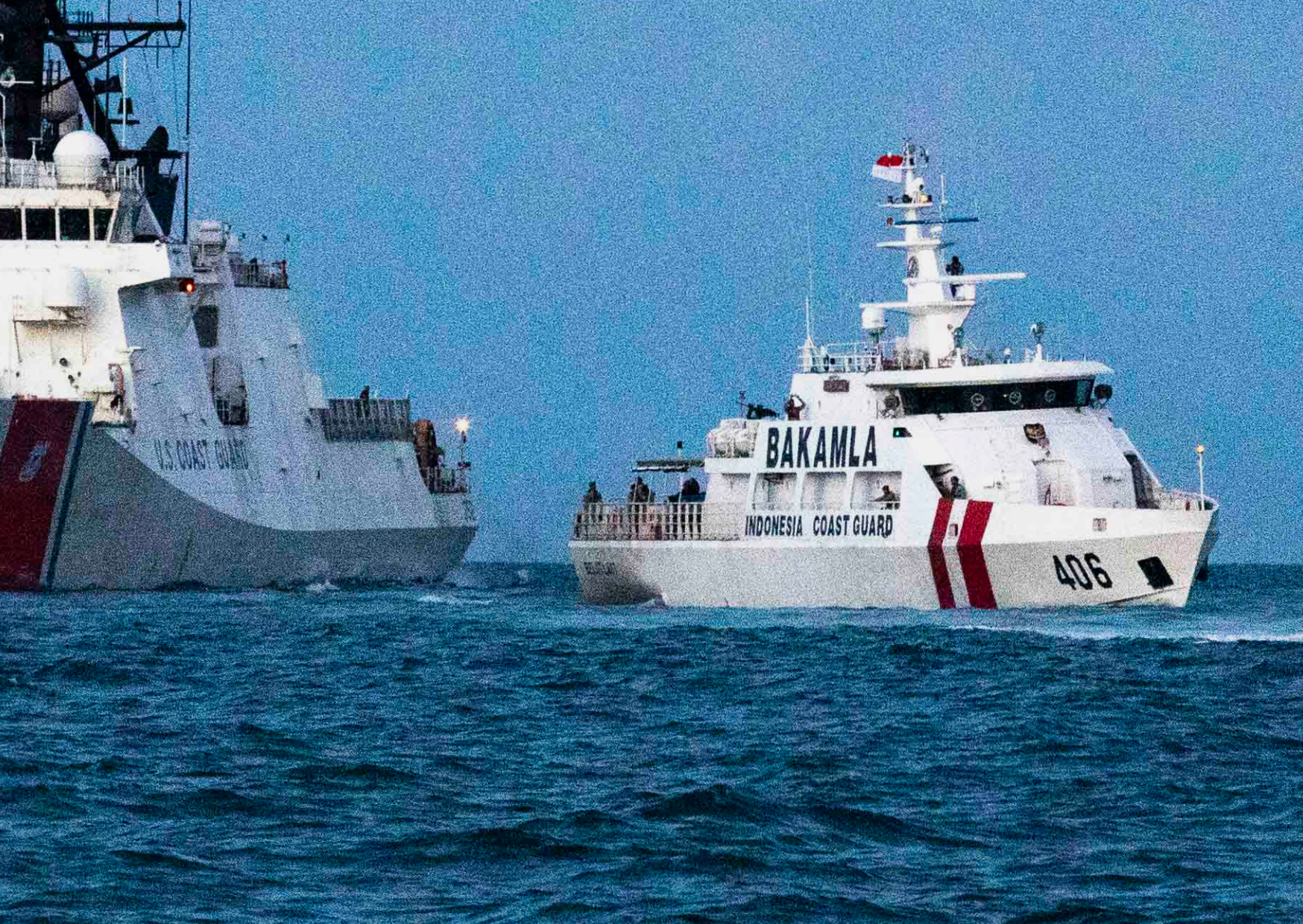
The challenge, therefore, is to transform ambiguity from a reactive posture into a deliberate and integrated strategy — one that manages asymmetry without allowing incremental pressure to redefine the strategic status quo.
Read MoreThis month’s brief examines a hardening strategic landscape: as grey-zone drone incursions test Europe’s resolve, Indo-Pacific states grapple with contested political transitions and mounting internal pressures that complicate deterrence, resilience, and regional stability.
Join our briefing today and stay ahead of the curve.
Read MoreWritten By Simran Walia
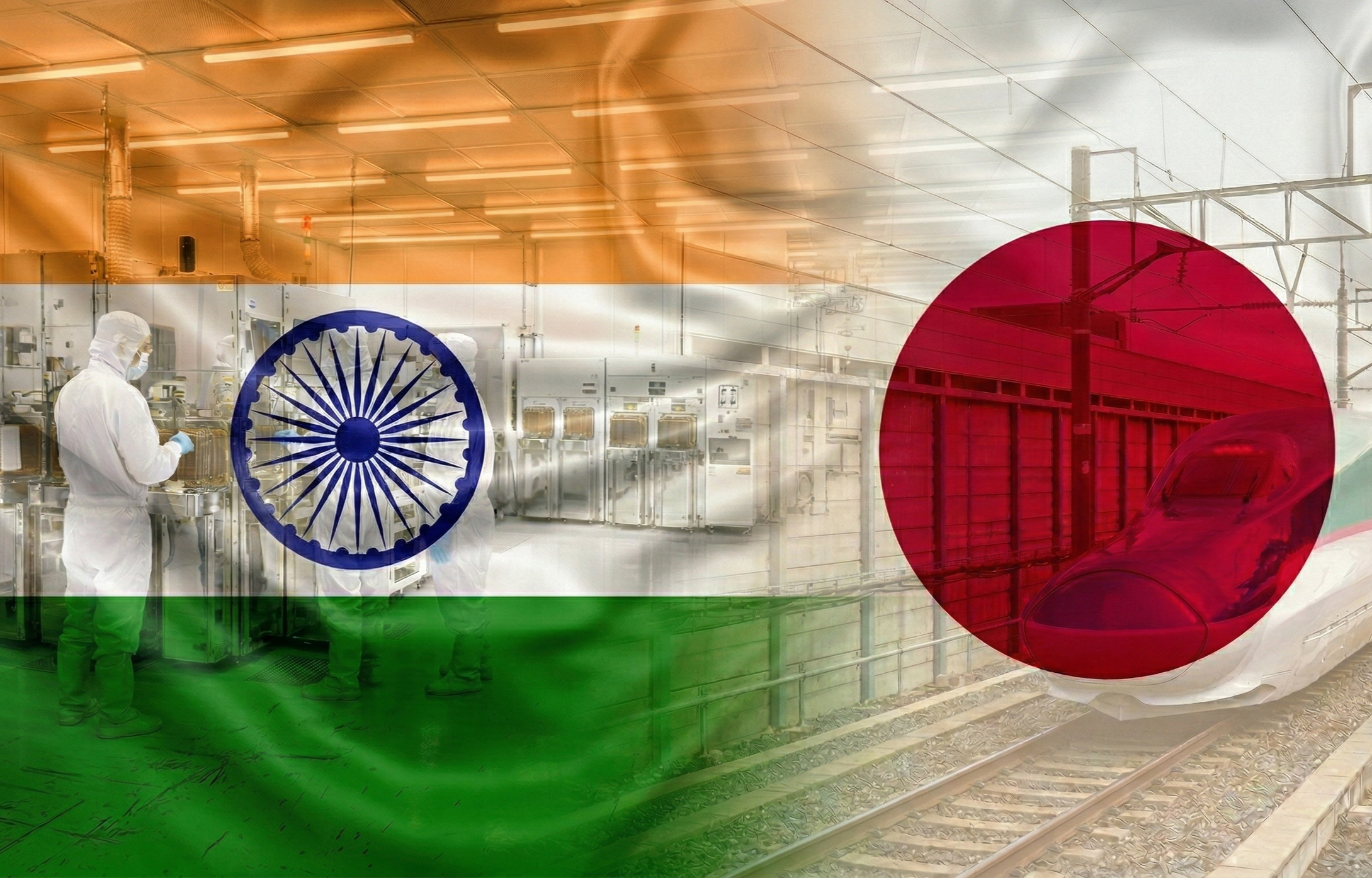
Institutional mechanisms for economic security cooperation require clear roadmaps, regulatory predictability, and policy coordination to attract increased Japanese participation in India’s high-technology sectors.
Read MoreWritten by Peter Chai
If Japan is to navigate rising immigration without fuelling social division, public debate must move beyond simplified crime narratives. When officials discuss crimes by “foreigners” in isolation without historical context or comparisons with overall crime trends and across subgroups, they risk creating an unbalanced narrative and fuelling concerns about xenophobia.
Read MoreWritten by Phuong Nguyen
The era of digital independence is closing fast. From 5G to AI, the Indo-Pacific is fragmenting into competing ecosystems centred on Washington and Beijing.
Read MoreWritten by Nathaniel Schochet and Peyson Hunt
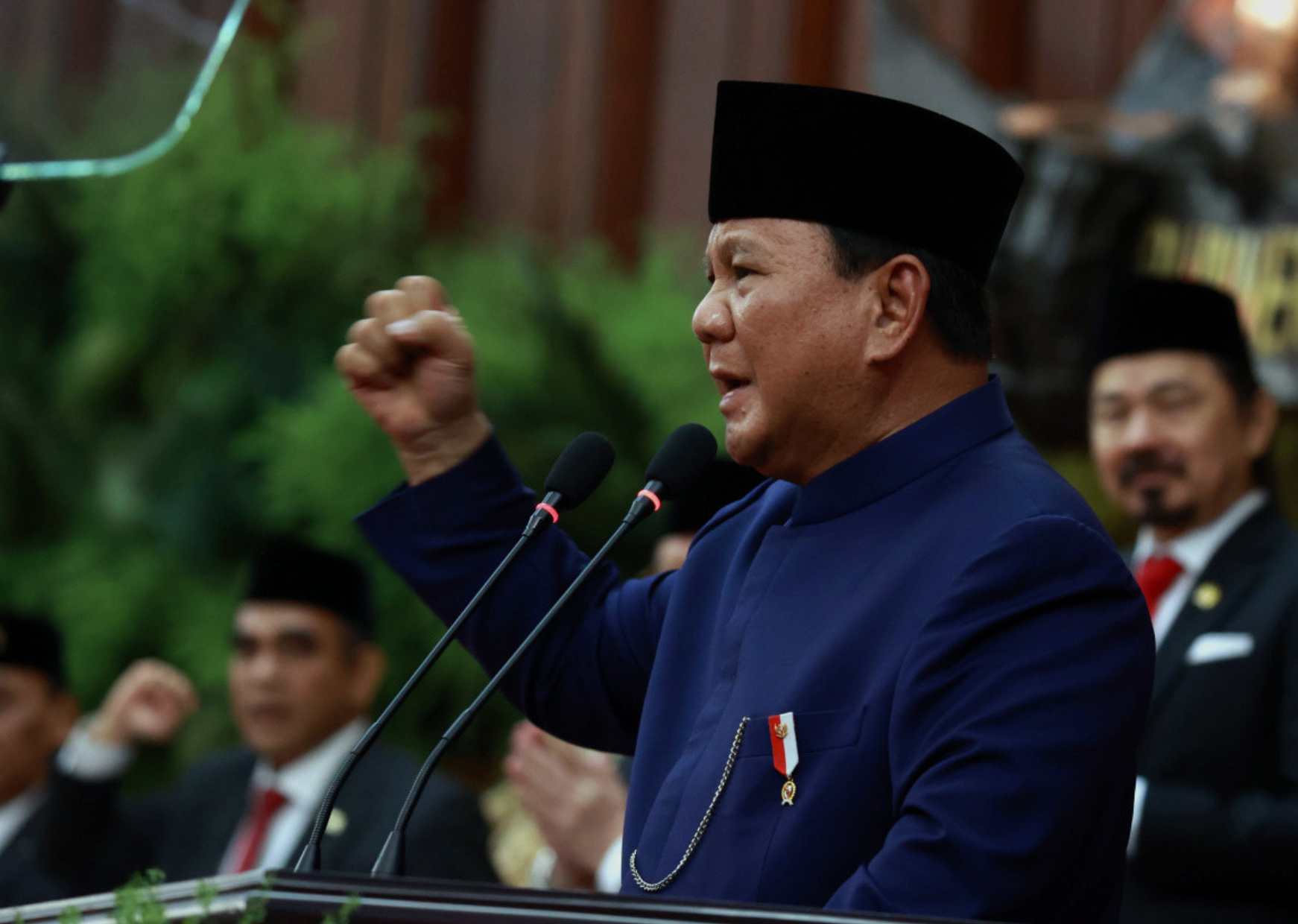
The MBG programme stands as both a policy initiative and a political symbol of the Prabowo administration: ambitious in scope, reinforced by the military, and directed by an executive willing to subordinate bureaucracy and norms in pursuit of their goals.
Read MoreWritten by Adhiraaj Anand
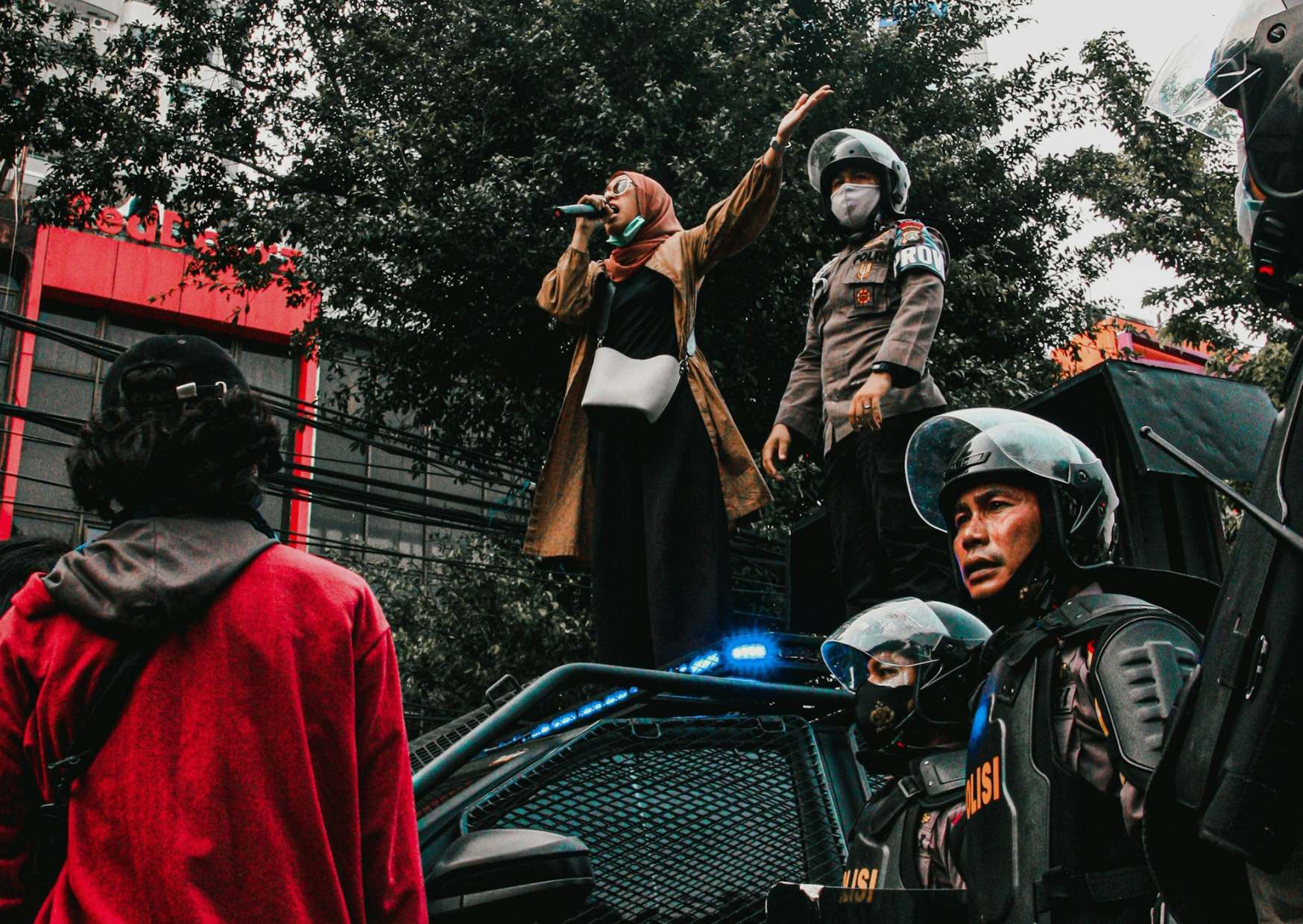
Deeper and more sustained transnational exchanges could foster new regional identities and solidarities between national protest movements, as well as increase their resilience and capacity for innovation.
Read More