Written By Simran Walia
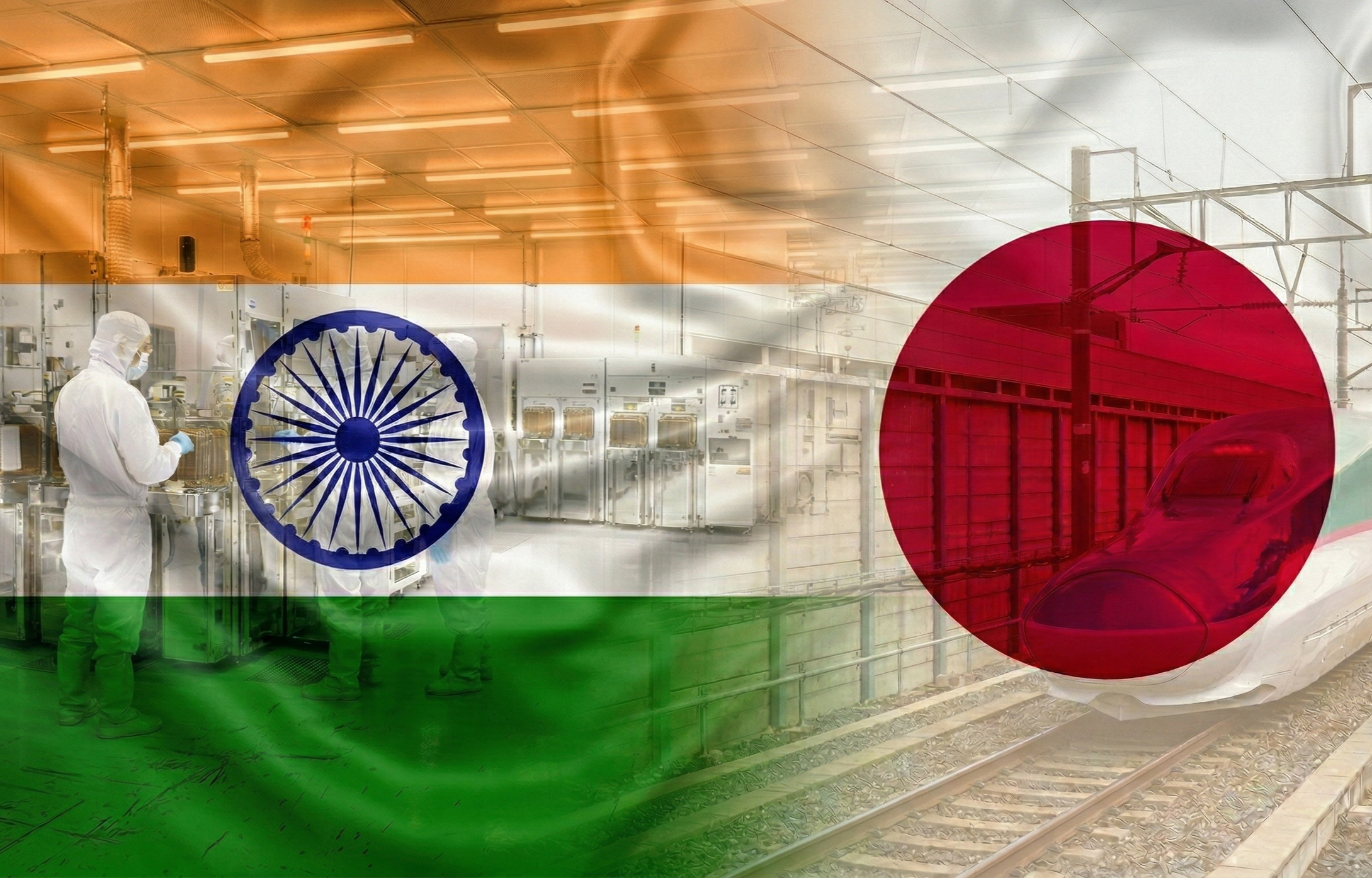
Institutional mechanisms for economic security cooperation require clear roadmaps, regulatory predictability, and policy coordination to attract increased Japanese participation in India’s high-technology sectors.
Read MoreWritten By Simran Walia
Institutional mechanisms for economic security cooperation require clear roadmaps, regulatory predictability, and policy coordination to attract increased Japanese participation in India’s high-technology sectors.
Read MoreWritten by Yun Kyung Kim
Korea and Japan now have an opportunity to redefine their roles — not as competing spokes but as co-architects of a trilateral framework that can anchor stability in the Indo-Pacific. For Washington, embracing this shift means sharing agenda-setting space with allies to maximise American interests and maintain primacy.
Read MoreWritten by Tran Thi Mong Tuyen
To establish itself as a semiconductor hub Vietnam needs a bold strategy that leverages its ‘latecomer’ advantages. Vietnam should set clear goals and concentrate resources on developing its semiconductor industry, with milestones for 2030 and 2050.
Read MoreWritten by Frans-Paul van der Putten
Given the potential geopolitical consequences of the Dutch assumptions for EU-China relations and Transatlantic security cooperation, the Dutch government should be more explicit about its considerations for further restricting semiconductor equipment exports.
Read More

