Written By Simran Walia
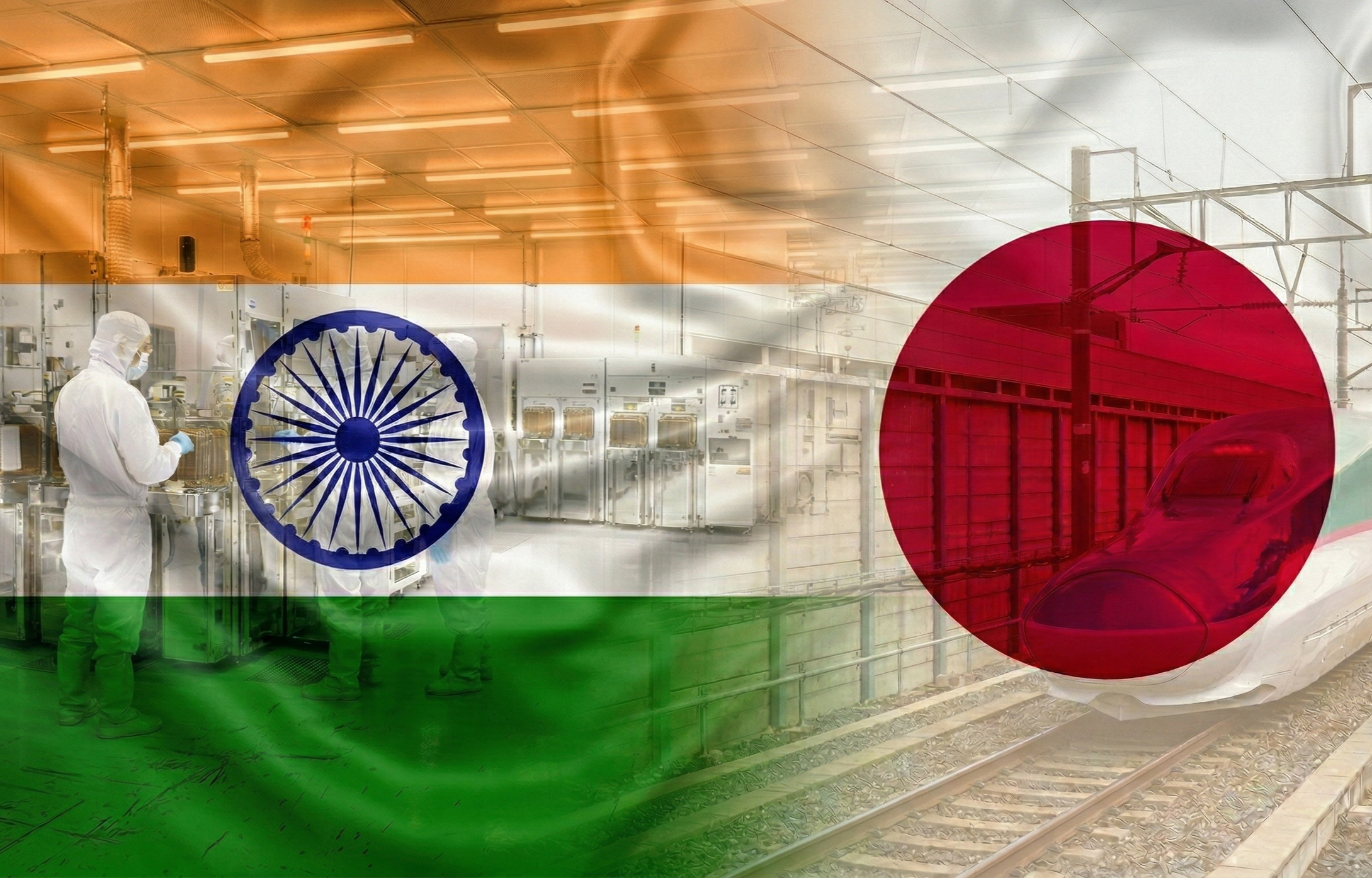
Institutional mechanisms for economic security cooperation require clear roadmaps, regulatory predictability, and policy coordination to attract increased Japanese participation in India’s high-technology sectors.
Read MoreWritten By Simran Walia
Institutional mechanisms for economic security cooperation require clear roadmaps, regulatory predictability, and policy coordination to attract increased Japanese participation in India’s high-technology sectors.
Read MoreWritten by Patrizia Cogo Morales
Like the US and France, other European countries and their private sectors should enhance their engagement with India, given the significant potential in military procurement deals and the defence industry overall.
Read MoreWritten by Manali Kumar and Chetan Rana
After a decade of sliding towards authoritarianism, a return to coalition politics promises a path to redemocratisation. Without a clear majority, the BJP can no longer bypass parliamentary scrutiny.
Read MoreWritten by Dr Vivek Mishra
To effectively counter threats from both China and Pakistan, India needs to maintain a twin-domain focus, enhancing its capabilities in both the continental and maritime domains.
Read MoreWritten by Akhil Bery
Due to the COVID-19 pandemic and ahead of the 2024 general elections, the Indian government needs to focus its efforts on job creation.
Read MoreWritten by Jeffrey Wilson
There is nothing to fear in terms of RCEP becoming a vehicle for Chinese economic dominance of the Indo-Pacific. In fact, we should be more worried about the strategic implications of a RCEP failure than its success.
Read MoreWritten by Divyanshu Jindal
While the delivery of the first batch of S-400 systems is still a few months away, in future, new dynamics in Afghanistan and increasing cooperation between India and the US in the Indo-Pacific through the Quad will surely be important factors affecting the decision to impose or waive CAATSA sanctions against India.
Read More