Written by Vanly Seng
Reform has failed not through a lack of effort, but through a lack of will, as dismantling the system of authoritarian constitutionalism would directly undermine the CPP’s hold on power.
Read MoreWritten by Vanly Seng
Reform has failed not through a lack of effort, but through a lack of will, as dismantling the system of authoritarian constitutionalism would directly undermine the CPP’s hold on power.
Read MoreWritten by Viktor Buzna
Just as steel, petrochemicals, and semiconductors once underpinned national resilience, computing power and AI ecosystems define economic and strategic autonomy today.
Read MoreDebate over Donald Trump’s “America First” strategy raises questions about whether the United States is pursuing restraint or reshaping its role in the Indo-Pacific region. We recently invited several experts to assess how shifting defence burdens to allies like Japan and South Korea is affecting deterrence and alliance credibility.
Together they explore the implications for regional stability and competition with China.
Read MoreWritten by Luana Correia
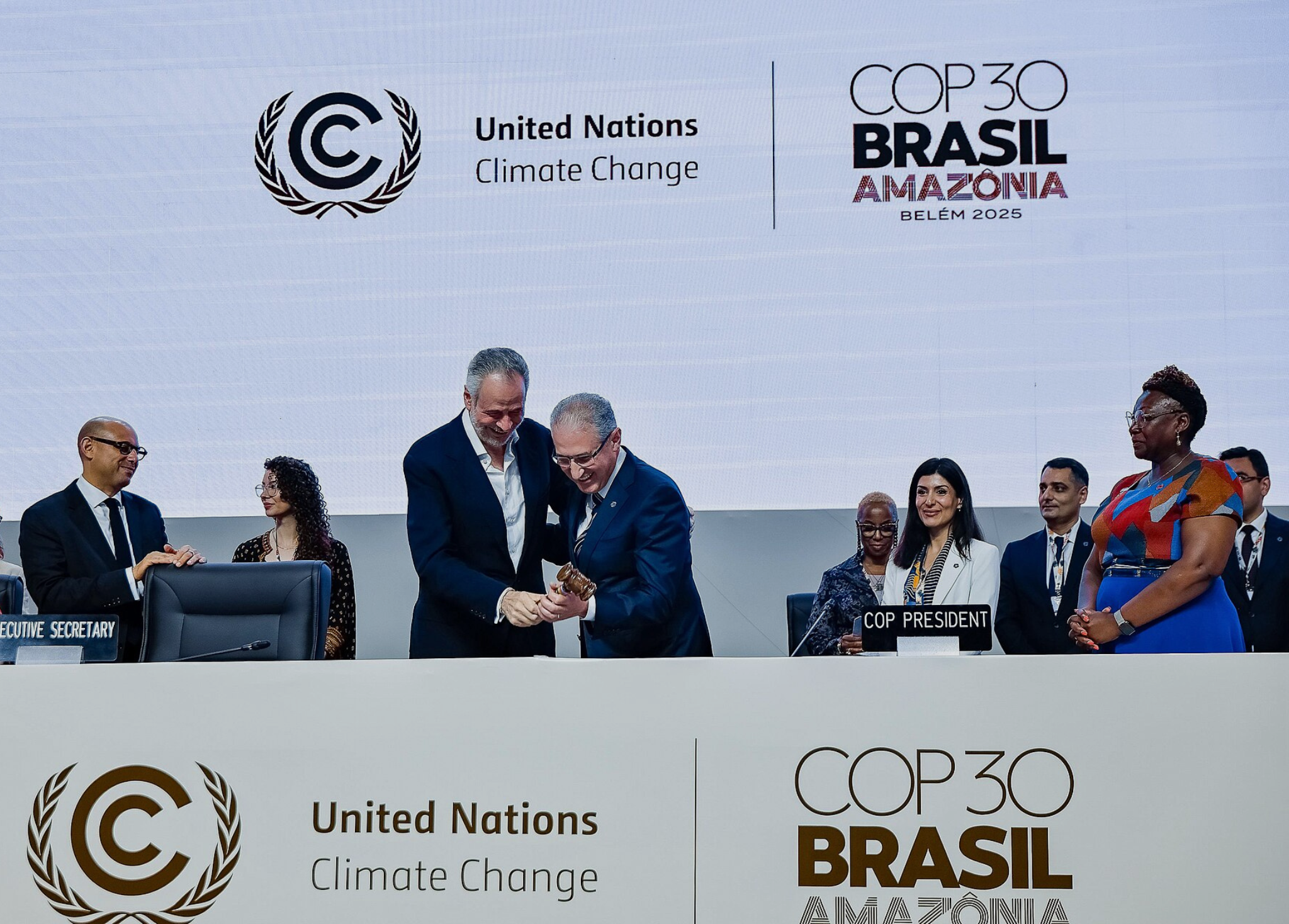
Influence in climate diplomacy is becoming increasingly dispersed, as traditional agenda-setters fail to consolidate their authority, creating space for competing interests — and claims to leadership — to shape outcomes.
Read MoreWritten by Quay Say Jye and Connor O’Brien
The thorny question remains what lines are not worth crossing, and when normative and institutional guardrails may prove strategically beneficial over the long term, especially for small and middle powers.
Read MoreWritten by Jeremy Youde
If the existing liberal international order is indeed undergoing a profound and transformative shift, and not just a reaction to Trump’s foreign policy, then there is an opportunity for change that will better serve people all over the world — or a chance for humanity to fall further from its collective aspirations.
Read MoreWritten by Omar Rasya Joenoes
The challenge, therefore, is to transform ambiguity from a reactive posture into a deliberate and integrated strategy — one that manages asymmetry without allowing incremental pressure to redefine the strategic status quo.
Read MoreThis month’s brief examines a hardening strategic landscape: as grey-zone drone incursions test Europe’s resolve, Indo-Pacific states grapple with contested political transitions and mounting internal pressures that complicate deterrence, resilience, and regional stability.
Join our briefing today and stay ahead of the curve.
Read MoreWritten By Simran Walia
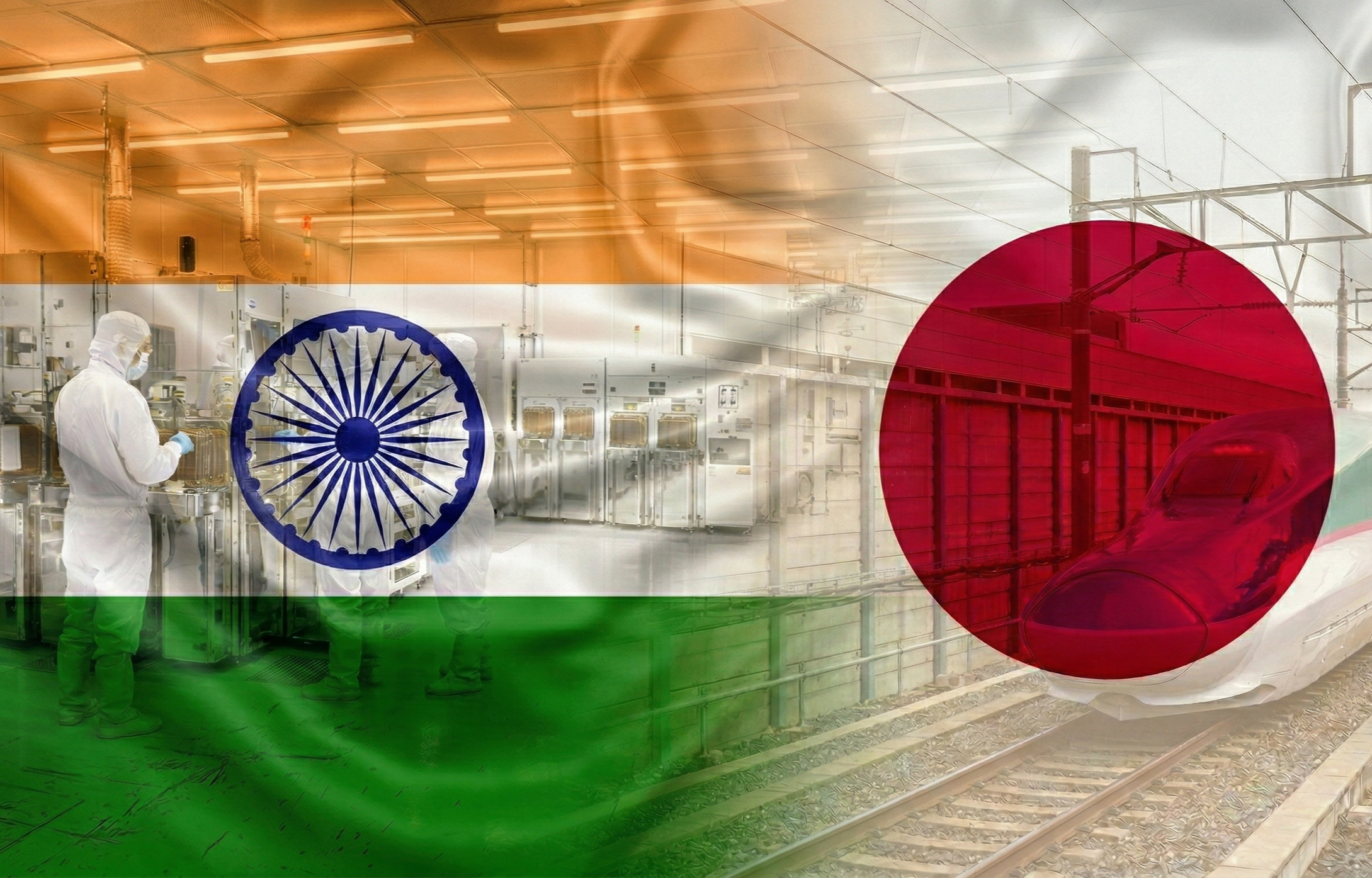
Institutional mechanisms for economic security cooperation require clear roadmaps, regulatory predictability, and policy coordination to attract increased Japanese participation in India’s high-technology sectors.
Read MoreWritten by Phuong Nguyen
The era of digital independence is closing fast. From 5G to AI, the Indo-Pacific is fragmenting into competing ecosystems centred on Washington and Beijing.
Read MoreWritten by Nathaniel Schochet and Peyson Hunt
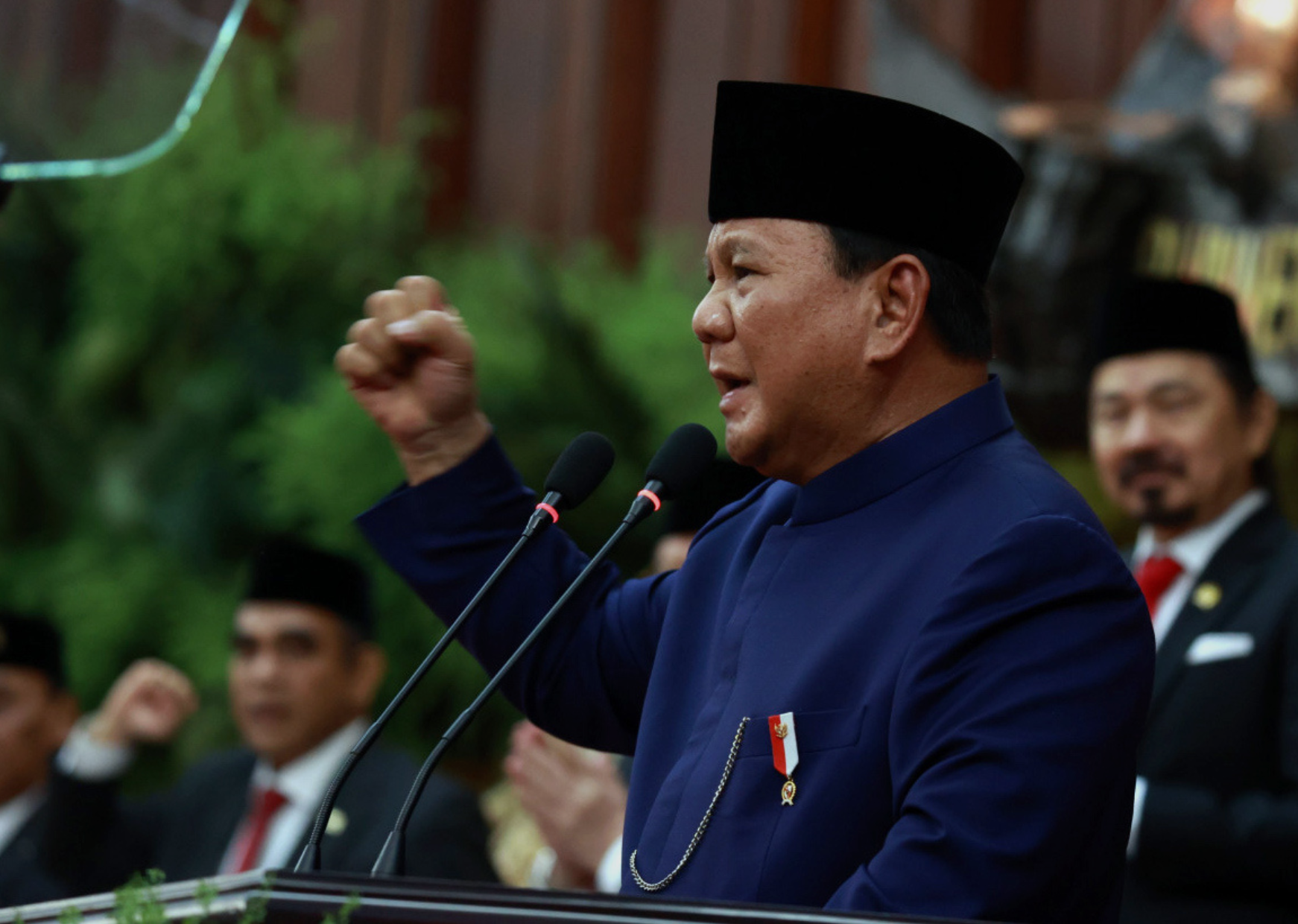
The MBG programme stands as both a policy initiative and a political symbol of the Prabowo administration: ambitious in scope, reinforced by the military, and directed by an executive willing to subordinate bureaucracy and norms in pursuit of their goals.
Read MoreWritten by Adhiraaj Anand
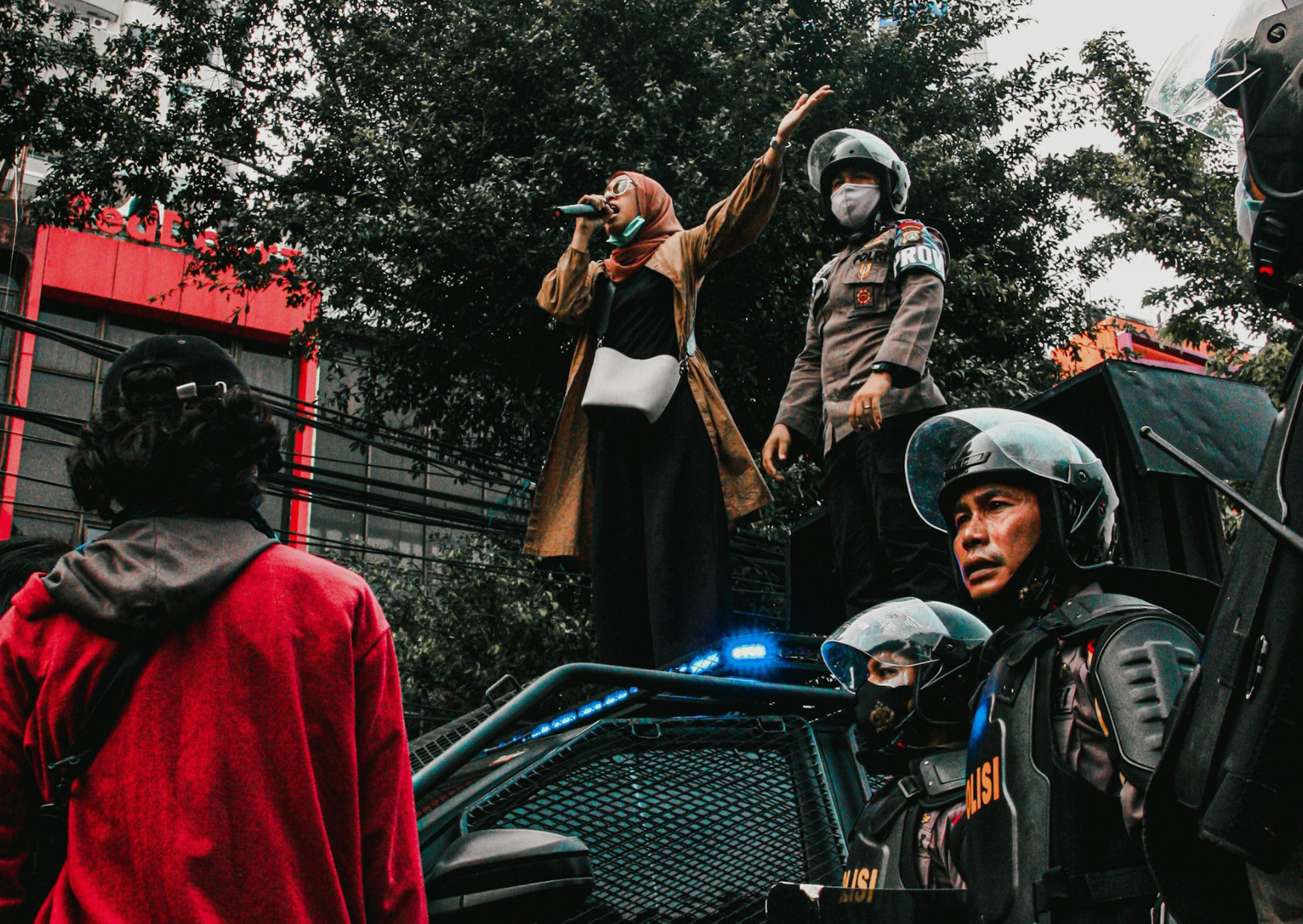
Deeper and more sustained transnational exchanges could foster new regional identities and solidarities between national protest movements, as well as increase their resilience and capacity for innovation.
Read MoreWritten by Taufiq E. Faruque and Rubiat Saimum
Bangladesh no longer intends to operate as a peripheral state within an India-centric security order in South Asia, but as a globally connected security actor seeking to maximise strategic autonomy over its procurement choices, maritime posture, and regional role.
Read MoreWritten by Jia Yin Chen and Luc van de Goor
Crucially, countering cognitive warfare is not just about timely dissemination of factual counter-narratives. It must also build each citizen’s defences against disinformation — making them more skeptical of the information they receive and willing to actively verify it or debunk it.
Read MoreThis month’s briefs examine an international order in rupture: across the Indo-Pacific, middle powers are hedging through overlapping, issue-based partnerships, even as Myanmar’s sham election exposes the limits of values-based realism in an increasingly pragmatic global landscape.
Join our briefing today and stay ahead of the curve.
Read MoreWritten by Seungwan Kim and Jun Sun Yoo
Washington increasingly expects allies not only to share regional defence burdens but also to expand industrial capacity, co-invest in critical technologies, and assume greater responsibility for deterring China. An East Asian AUKUS framework could align with these expectations by signalling Seoul’s commitment to Indo-Pacific security while adding industrial and operational depth to alliance deterrence.
Read MoreWe are delighted to introduce our new editorial leadership.
In this In Brief discussion, Editor-in-Chief Dr Yatana Yamahata and Managing Editor Naledi Tilmann share their vision for the platform’s future, outlining a renewed focus on inclusive Indo-Pacific analysis that highlights under-represented states, youth-led movements, and non-state actors shaping regional security.
Read MoreWritten by Jonathan Berkshire Miller
For the first time in years, Ottawa is treating the Indo-Pacific not as a region of opportunities to sample but as a theatre in which it must choose where to invest.
Read More