Written by Tom Smith
Branding an ICC investigation into Duterte as yet another inquiry on a developing nation is sure to play well for his successors and their supporters.
Read MoreWritten by Tom Smith
Branding an ICC investigation into Duterte as yet another inquiry on a developing nation is sure to play well for his successors and their supporters.
Read MoreWritten by Bec Strating
In an age where great power rivalry and challenges to regional stability and rules in the maritime domain are contributing to a rapidly transforming regional security order, it is time for Australia to develop a standalone maritime security strategy.
Read MoreWritten by Amit Julka and Usman Zafar
Overseas citizens have also played a key role; more accustomed to the cultural assimilation and religious pluralism of their foreign environments, many ascribe to a larger South Asian diasporic identity rather than a strictly nationalistic one.
Read MoreWritten by Suyash Desai
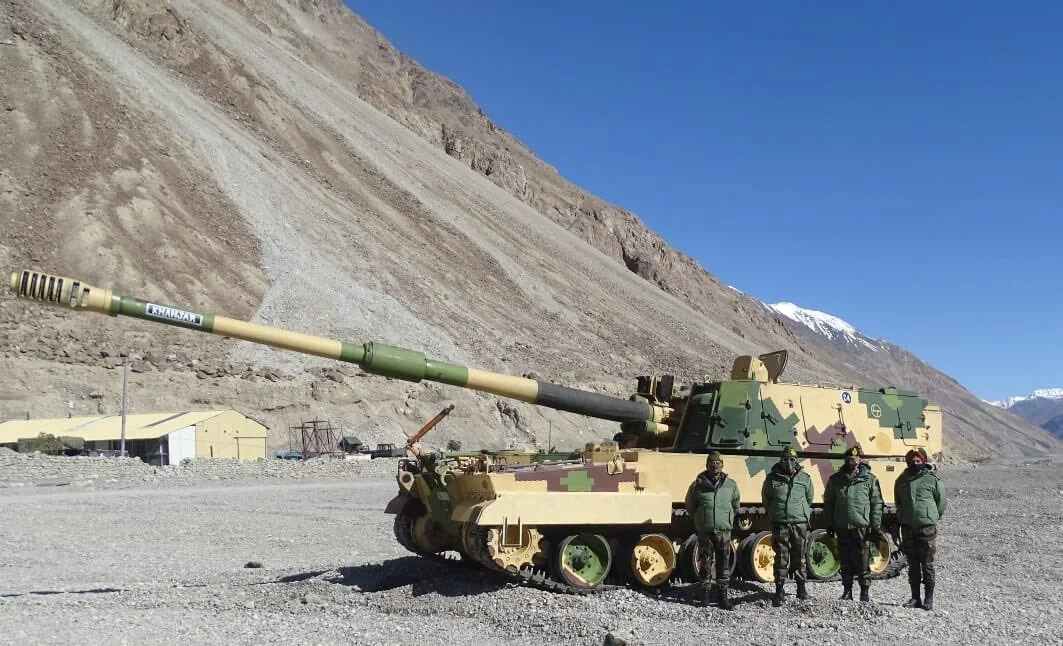
As visible from the ongoing stand-off, it’s difficult to restore the status quo ante once it is changed by force as the two sides evenly match up. Thus India needs to be cautious about the changing nature of China’s military operations and its manifestation on the Sino-Indian border.
Read MoreWritten by Benedikt Christoph Staar
North Korea’s neighbours are not too keen on denuclearisation either. Admittedly, neither China nor Russia benefits from a nuclear-armed North Korea because it causes regional insecurity at best and unforeseeable political and economic damage at worst.
Read MoreWritten by Edward Howell
Growing tensions in Sino-US relations vis-à-vis Taiwan and the treatment of Uyghur minorities in Xinjiang only underscore the Biden administration’s policy of maintaining stability over the possible unintended consequences of any attempt to reach out to Kim Jong-un.
Read More作者:馮儒莎 博士
來自里加、塔林,以及布魯塞爾對立陶宛的支持,不僅是崇高且必要,對波羅的海和歐盟整體的未來也至關重要。立陶宛決定在台灣開設辦事處的決定,為拉脫維亞和愛沙尼亞樹立了先例,這兩個鄰國皆面臨來自中國和俄羅斯相似的威脅,必須緊急解決國內類似的弱點。
Read MoreWritten by James Borton and Lucio Blanco Pitlo III
Sustained domestic pressure, efforts by other littoral states to align their claims with UNCLOS, and a growing chorus of countries referencing the award in their note verbales strengthen the hands of leaders who may come out more assertively on the issue.
Read MoreWritten by Chirayu Thakkar
By shouldering the vital responsibility of maritime domain awareness through the dissemination of critical information, India is gearing towards enhancing the stability of the high seas and raising its global stature.
Read MoreWritten by Filippo Boni and Katharine Adeney
Recipient countries need to build mechanisms to ensure that technology transfers and training are integral to the development of BRI projects. Otherwise, these important issues may end up on the backburner.
Read MoreWritten by Archana Atmakuri
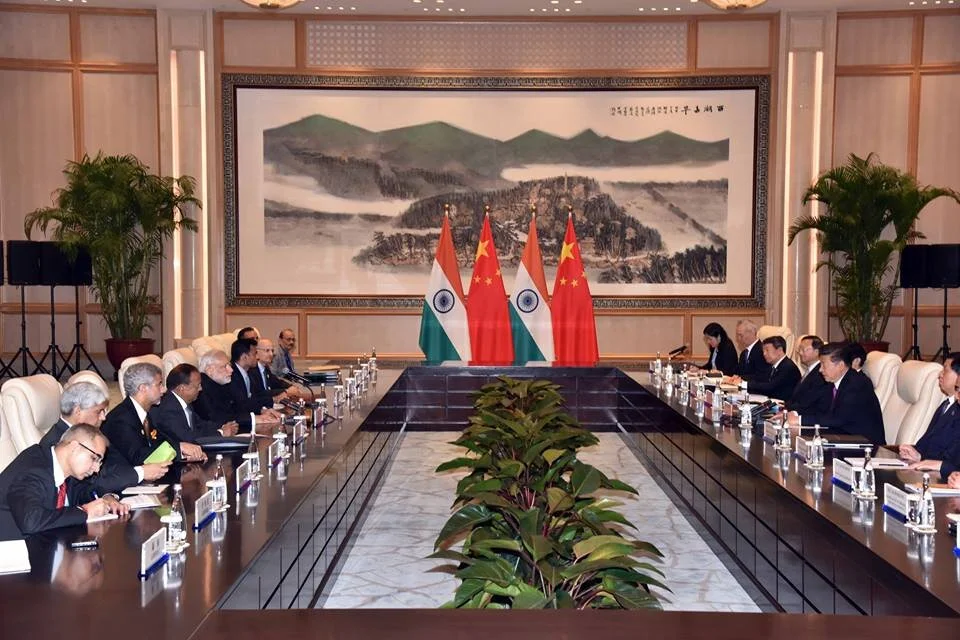
The Galwan Valley clash marked the end of the Wuhan-Chennai consensus which had raised hopes that India and China would discuss and resolve deep misunderstandings, however, informal summits failed to prevent the recent tensions in Ladakh.
Read MoreWritten by Rudabeh Shahid and Arafat Kabir
If China responds to Bangladesh’s urgent call for help, it will only reinforce the established trend. For now, Dhaka has learned to keep faith in Beijing, which is most evident in Bangladesh’s reluctance in joining the Quad Security Initiative.
Read MoreWritten by Ramon Pacheco Pardo
Along with China and India, South Korea is one of the top three Asian manufacturers of vaccines. Thus, South Korean pharmaceutical firms are going to become critical to the rollout of vaccines across the Indo-Pacific region. The KORUS Global Vaccine Partnership (agreed to by Seoul and Washington) is a clear step in this direction.
Read MoreWritten by Monika Chansoria
Any potential reconsideration on the Okinawa bases will likely have a cascading effect on the US-Japan alliance and Tokyo’s national security strategy at large. After all, Okinawa is not merely a peripheral Japanese prefecture, but the lynchpin of American and Japanese strategic positioning in the East China Sea.
Read MoreWritten by Hunter Marston
It is unlikely that the United States will arm various factions to topple the military — nor should it, as doing so would only add more fuel to an already raging fire. Only by helping the elected government deliver basic governance to the people who elected it can the country hope for a future in which the military steps aside and allows the restoration of democracy.
Read MoreWritten by Rohan Mukherjee
ASEAN can then continue to hold together and take a middle path, offering security cooperation to the Quad, economic cooperation to China, and institutionalised opportunities for diplomacy all around. The Quad for its part can continue growing its footprint without maintaining the pretence of ASEAN centrality and the need to convince smaller regional states to irrationally become the tip of the spear aimed at China.
Read MoreWritten by Ong Kian Ming
ASEAN must also be willing to push the envelope when it comes to economic diplomacy in a manner that would strengthen the unity of the grouping and safeguard the interests of its members.
Read MoreWritten by Nivedita Kapoor
In the long term, Russia has the potential to become a regional energy supplier as well as provide connectivity via the Arctic Northern Sea Route (instead of via the Straits of Malacca), which could mitigate the contradictions in the SCS.
Read More