Is Europe doing Beijing’s work for it? China’s invisible coercion strategy

Written by Marie Hiliquin

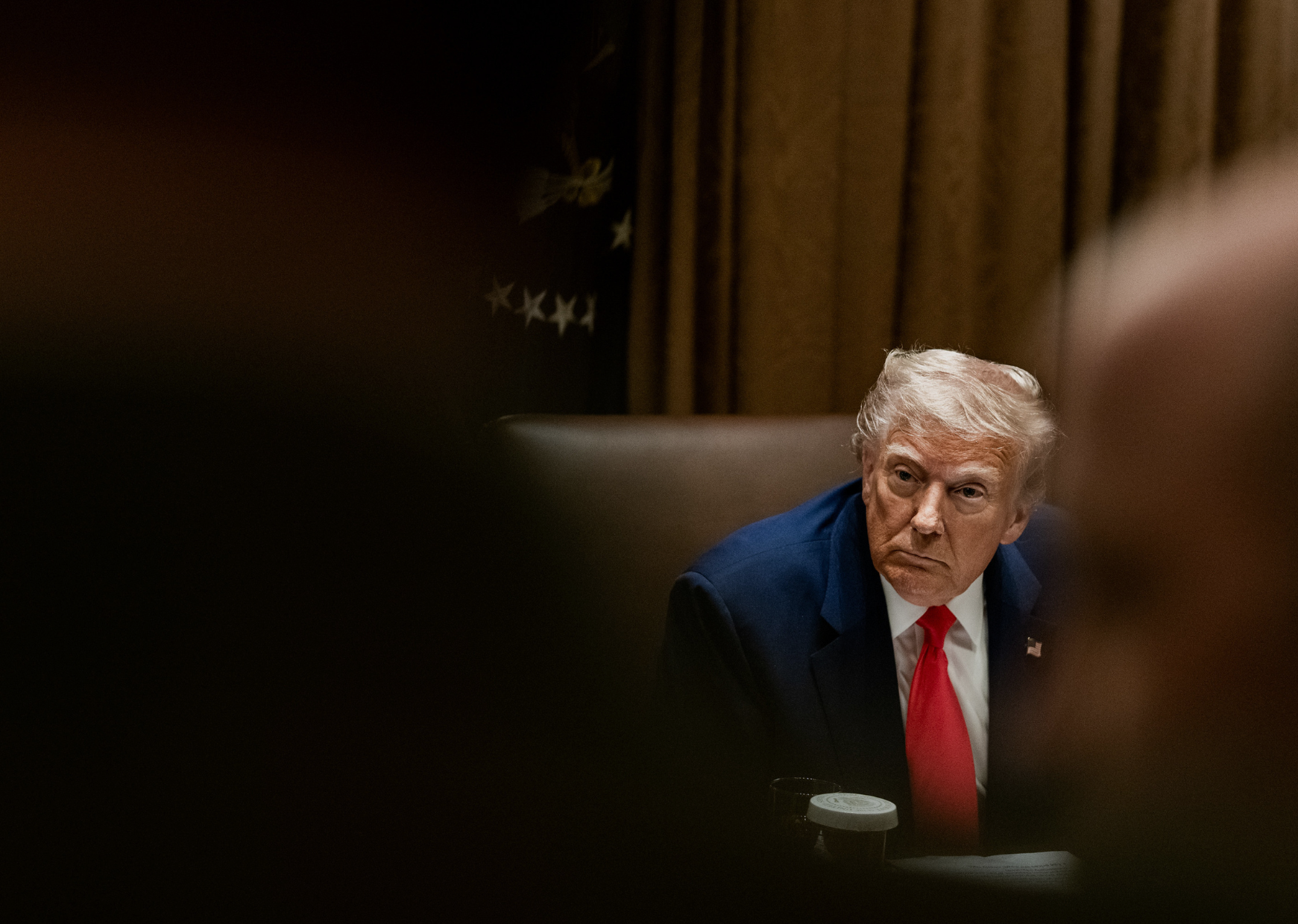
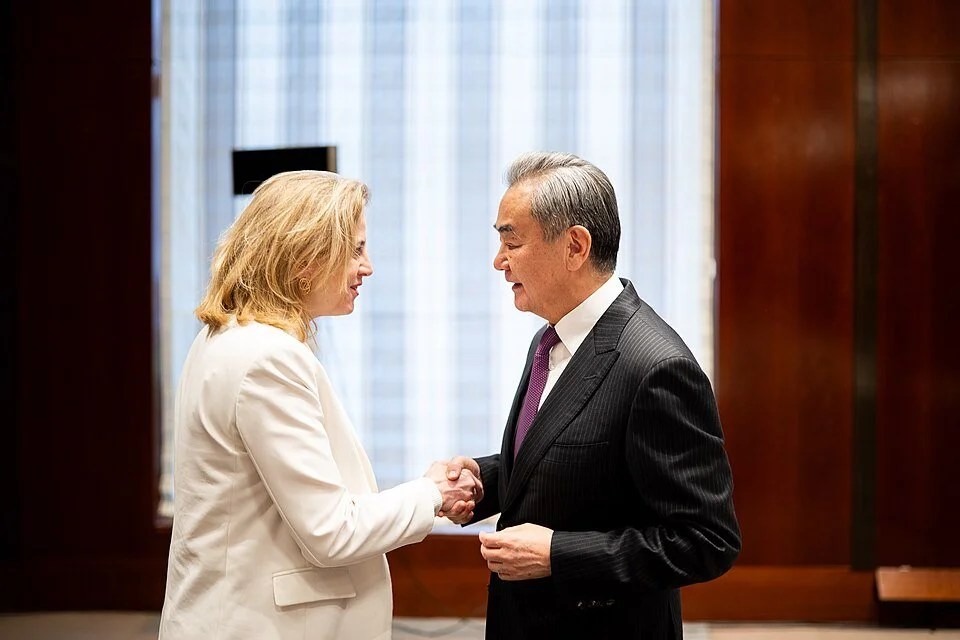
Europe, facing a myriad of diplomatic and economic pressures from China and lacking a unified centre, is increasingly engaging in self-containment on China policy — exemplified by Germany and the Czech Republic denying transit to Taiwan's president in April 2026.

Read More

Asia hedges against a US-led order it no longer trusts

Written by Debodipta Nandan

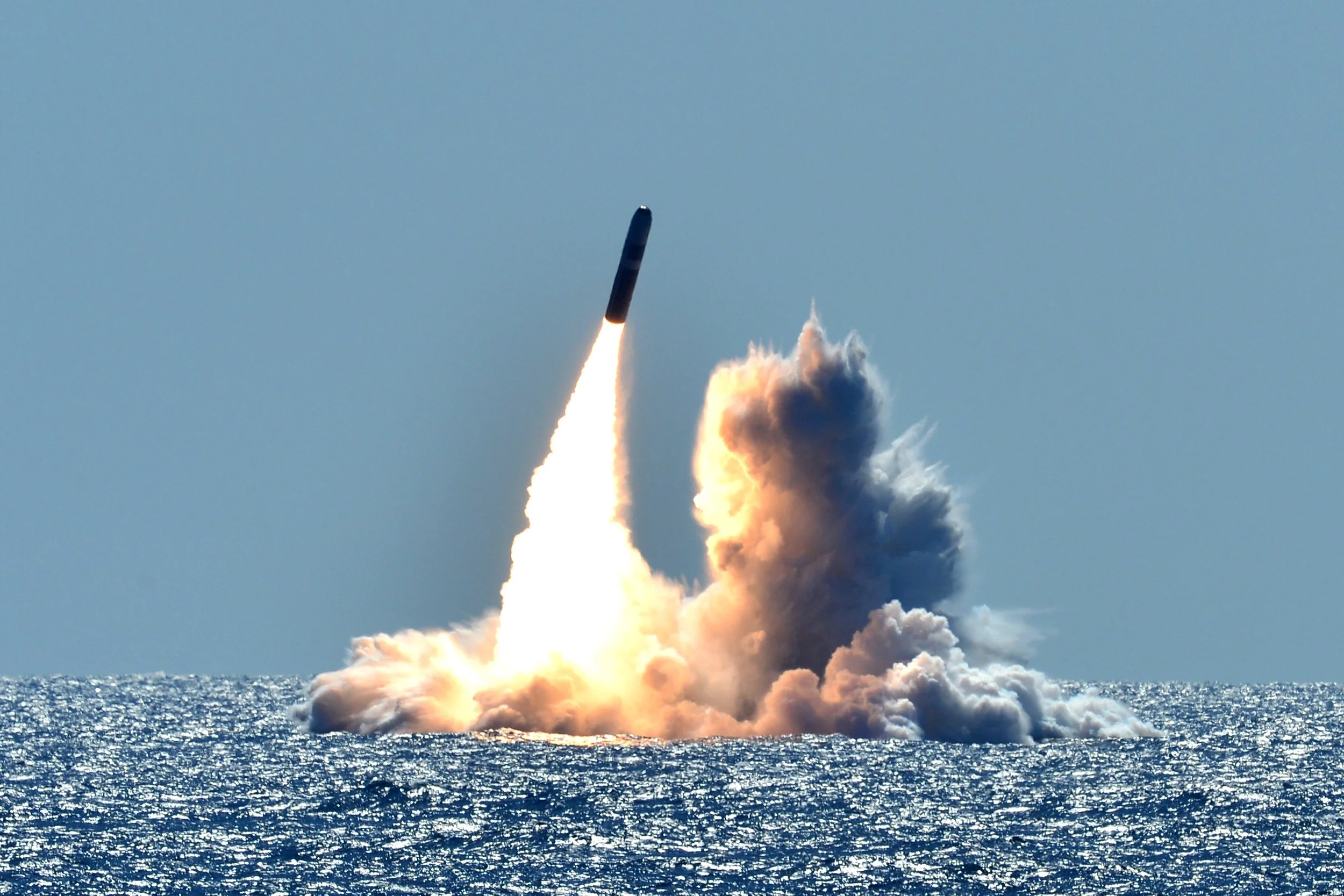
The Iran war, waged in the name of nuclear non-proliferation, has reinforced a lesson for Asia’s major powers: the protection the US-led order extends to them is conditional, granted or withheld at Washington’s discretion.

Read More
In Forum USA250: The future of liberal democracy in the Indo-Pacific

As the United States faces growing democratic challenges at home, the second part of this series brings together leading experts to examine what this means for liberal democracy across the Indo-Pacific.

Their perspectives explore whether Washington's declining influence strengthens authoritarianism — or creates space for new, regionally rooted approaches to democratic governance.

Read More
The case for an overarching US Indo-Pacific strategy

Written by Dr Anisa Heritage

While a consolidation strategy offers a sensible course correction, deterrence in the Indo-Pacific depends as much on regional confidence in long-term political commitments as it does on military capability.

Read More
In Forum USA250: The future of the liberal international order in the Indo-Pacific

As the US marks its 250th anniversary, we invite several key experts to analyse how a changing US foreign policy and regional minilateralism are reshaping Indo-Pacific geopolitics.

Read More
The Navigator’s June issue — out now

This month’s brief examines Taiwan–Lithuania relations, where shared experiences of external pressure have driven closer political and tech cooperation. Five years on from Vilnius hosting Taiwan’s Representative Office, the relationship remains strongest politically, while delivering more limited economic outcomes — highlighting the challenge of turning strategic alignment into tangible shared success. Alongside this, our regional review explores an Indo-Pacific defined by fragmentation and adaptation.

Join our briefing today and stay ahead of the curve.

Read More
New Episode - Energy shocks and strategic choices: How Southeast Asia is navigating turbulence in the Middle East

In this episode, Zsuzsa Anna Ferenczy and Richard Heydarian are joined by Dr. Huong Le Thu of the International Crisis Group for a timely discussion on how Southeast Asia is responding to the ongoing conflict in the Middle East. Together, they explore how the crisis is being interpreted across the region, from differing diplomatic positions and domestic political pressures to the growing impact of energy shocks and disruptions to global shipping routes.

Subscribe now and never miss an episode.

Read More
NATO and the IP4: Caught between ambition and restraint

Written by Liselotte Odgaard

As US strategy increasingly prioritises the Indo-Pacific while delegating greater responsibility to allies, NATO-IP4 cooperation is likely to deepen selectively — focusing on functional areas such as technology, maritime security, and resilience — rather than evolving into a fully institutionalised global alliance framework.

Read More
Taiwan’s undersea cables are an Indo-Pacific crisis test

Written by Jing Ge

Taiwan’s undersea cables are not only a communications vulnerability; they are also a test of crisis discipline in the Indo-Pacific. In a Taiwan Strait crisis, a severed cable could be read as an accident, a coercive signal, or the opening move in a larger confrontation.

Read More
Navigating our future together? The Philippines as a gender equality champion abroad, work in progress at home

Written by Athena Charanne Presto and Maria Tanyag

The Philippines has had real regional influence on gender equality, supported by a long lineage of female diplomats, policymakers, and civil society leaders who have helped shape ASEAN’s gender equality architecture since its early years.

Read More
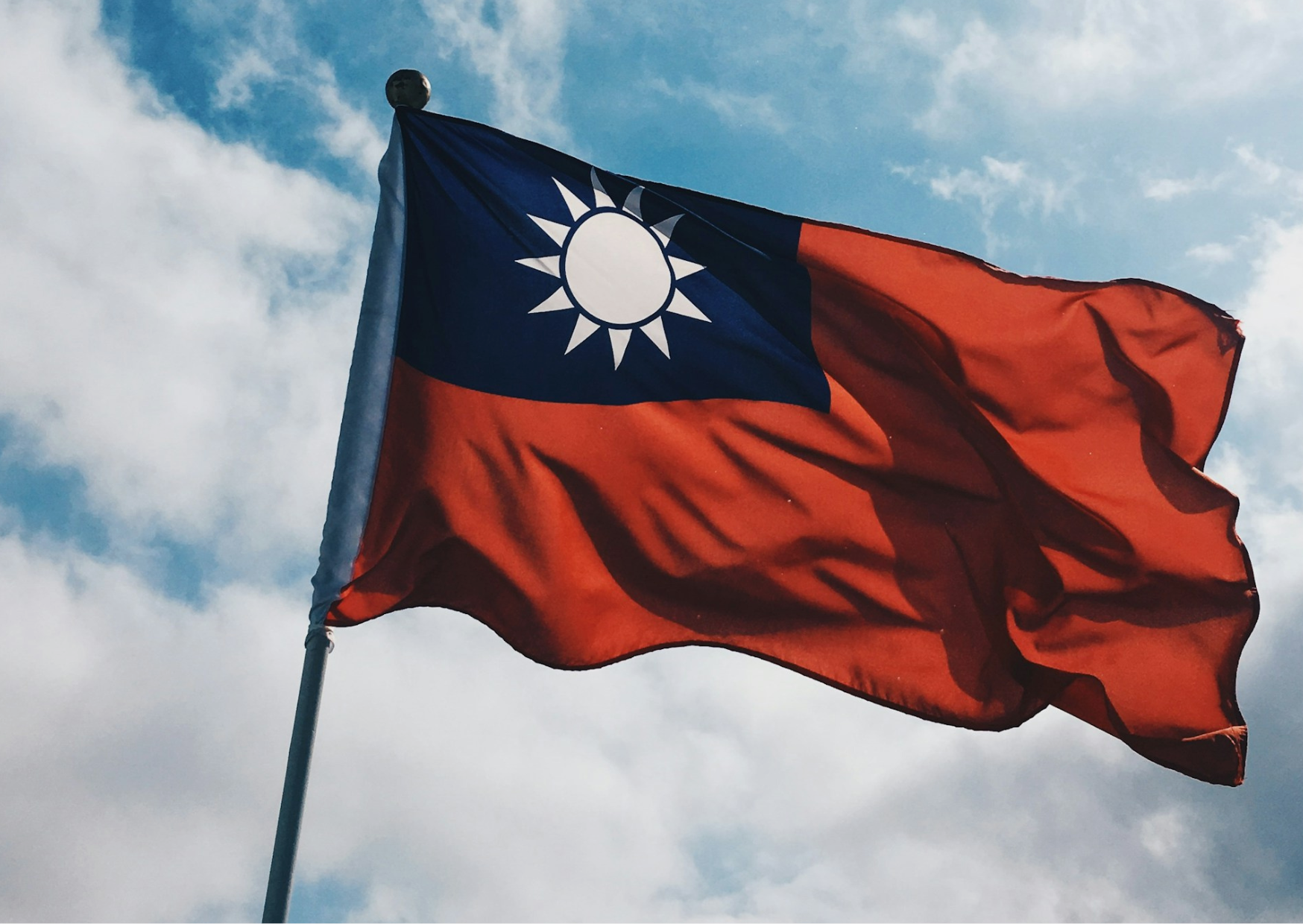
Taiwan's democratic trilemma after Beijing

Written by Percy Yixuanchen Yu

The lesson for Taiwan is uncomfortable but necessary. The AI shield is not a shield unless it is supported by social resilience, Taiwan's own diplomatic voice, and democratically authorised security policy. 

Read More
The Navigator’s May issue — out now

May highlights a defining trend across the Indo-Pacific: economic pressure and strategic competition are increasingly intertwined, as heatwaves, energy shocks, and supply-chain strain drive states to hedge more actively in a fragmented global order. This month’s feature examines Europe’s growing “strategic self-containment” in its China policy, reflecting a wider pattern of anticipatory restraint as states recalibrate under geopolitical pressure.

Join our briefing today and stay ahead of the curve.

Read More
China’s ‘silver tech’ revolution: A blueprint for Southeast Asia’s ageing societies?

Written by Khyati Singh

The potential to combine Chinese technological innovation with localised implementation means that Southeast Asia could yet transform its demographic challenge from a looming crisis into an engine of economically innovative and socially equitable growth.

Read More
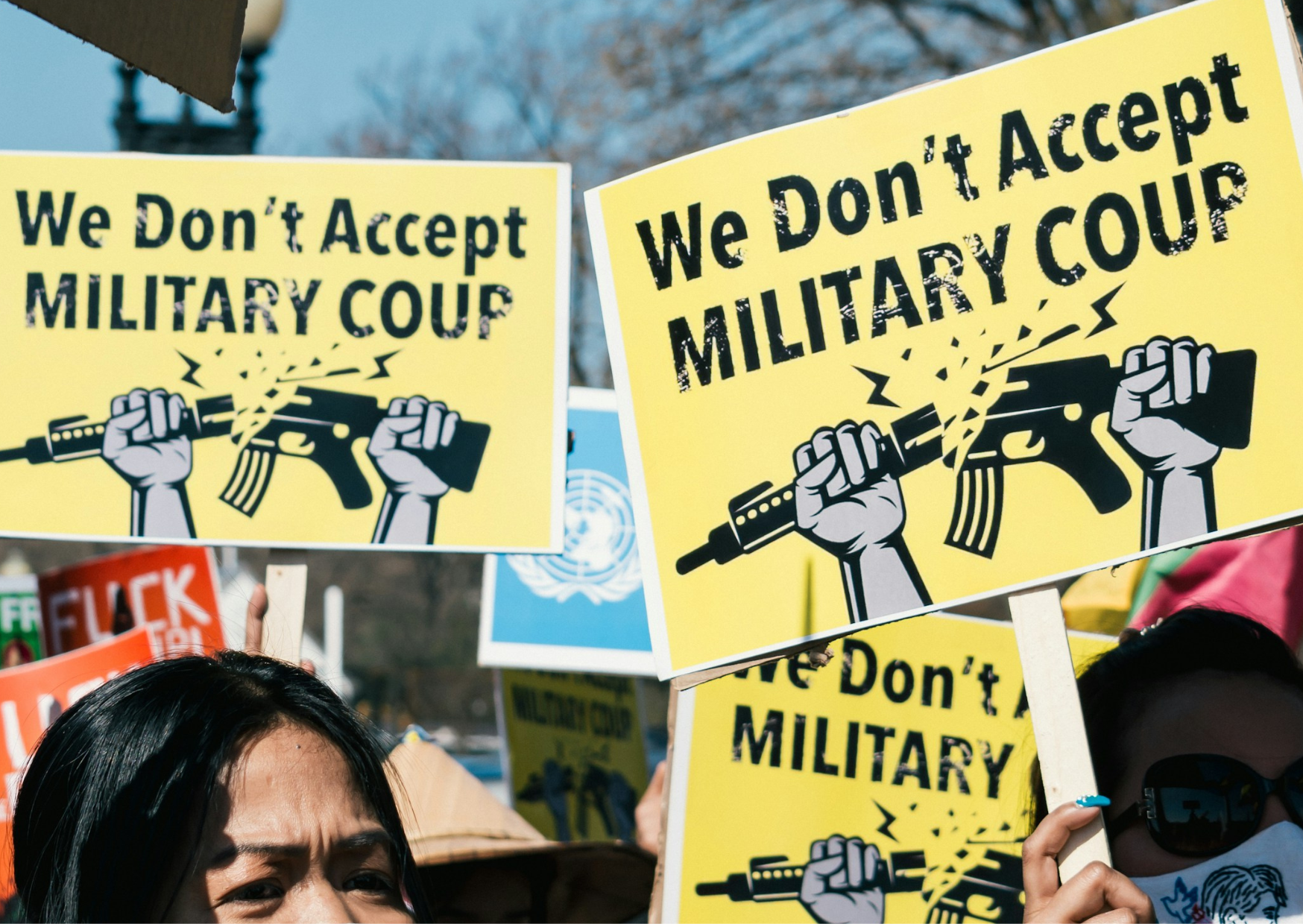
How ASEAN should respond to Myanmar’s manufactured parliament

Written by Linn Thit Htoo

A protracted war that the Tatmadaw cannot win, but remains capable of sustaining, is becoming an increasingly poor investment for China. 

Read More
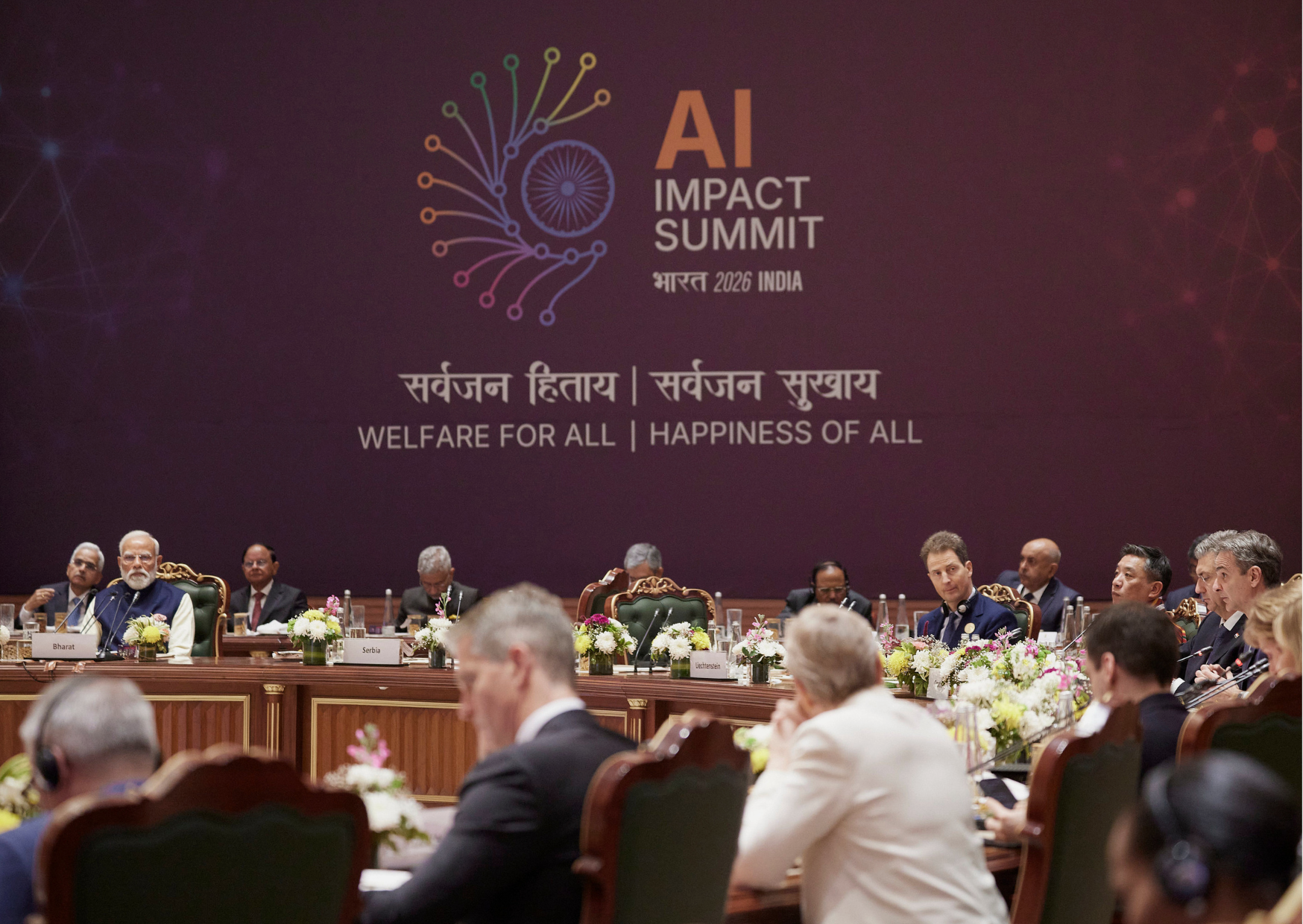
India’s AI summit contradictions could undermine its credibility as an alternative to the US-China digital models

Written by Kushang Mishra

Instead of using this platform to champion a fairer system as an emerging leader of the Global South, the Indian government appeared content to secure a seat at the global power table and seek investments from the very Big Tech companies it has itself criticised in the past.

Read More
Indonesia’s strategic autonomy and the absence of Indo-Pacific trilateralism

Written by Muhammad Izzuddin Al Haq

If other middle powers in the Indo-Pacific follow Jakarta’s stance in resisting formal alignment, the region may become one where multilateral cooperation works in peacetime but falls short in crises, including grey zone escalation.

Read More
Stabilised risk: Thailand’s patronage-technocrat alliance under the 2026 oil shock

Written by Apipol Sae-Tung 

The regime’s institutional architecture is designed for continuity, but the energy crisis has introduced a level of volatility that requires a more agile and transparent response than the regime’s patronage-driven conservative roots traditionally allow.

Read More
Convergence without cooperation: Why US–India maritime cooperation isn’t ready for a crisis

Written by Anuttama Banerji and Dr. Sahar Khan

A central weakness in the partnership is the absence of shared operational experience. Unlike US treaty allies, India has not participated in high-intensity contingencies alongside US forces. This limits trust, slows decision-making, and increases the risk of misalignment.

Read More