Written by Manoj Kewalramani and Rakshith Shetty
The enforcement of these regulations is expected to further fortify Xi’s leadership and consolidate ideological conformity within the Party.
Read MoreWritten by Manoj Kewalramani and Rakshith Shetty
The enforcement of these regulations is expected to further fortify Xi’s leadership and consolidate ideological conformity within the Party.
Read MoreWritten by JiMin Nam
In South Korea specifically, backlash is not just a reaction to the rise of popular feminism since 2015. Instead, it is an indicator that two related institutions, militarism and patriarchy, persist in South Korean society and represent gender norms in a way that positions feminism as something problematic.
Read MoreWritten by Dr Mor Sobol
In the last few years, amid escalating tensions between Taiwan and China, and the heightened geopolitical rivalry between Washington and Beijing, there has been a noticeable surge in interest from the Taiwanese side — both at official and ‘academic’ levels — in learning from the Israeli experience regarding security and defence.
Read MoreWritten by Wooyun Jo
The spy satellite launch reinforces the need for vigilant monitoring and surveillance to assess the capabilities and intentions of North Korea, as well as to strengthen regional defence against potential nuclear missile attacks.
Read MoreWritten by Yulgok Kim
South Korea's nuclear development has been an unthinkable taboo for decades, but North Korea's upgrading nuclear capabilities requires a policy shift.
Read MoreWritten by Anthony V. Rinna
From a longer-term perspective, the summit between Kim and Putin could also thrust Moscow-Washington tensions into the Asia-Pacific in ways not seen since the Cold War.
Read MoreWritten by Michael Lostumbo
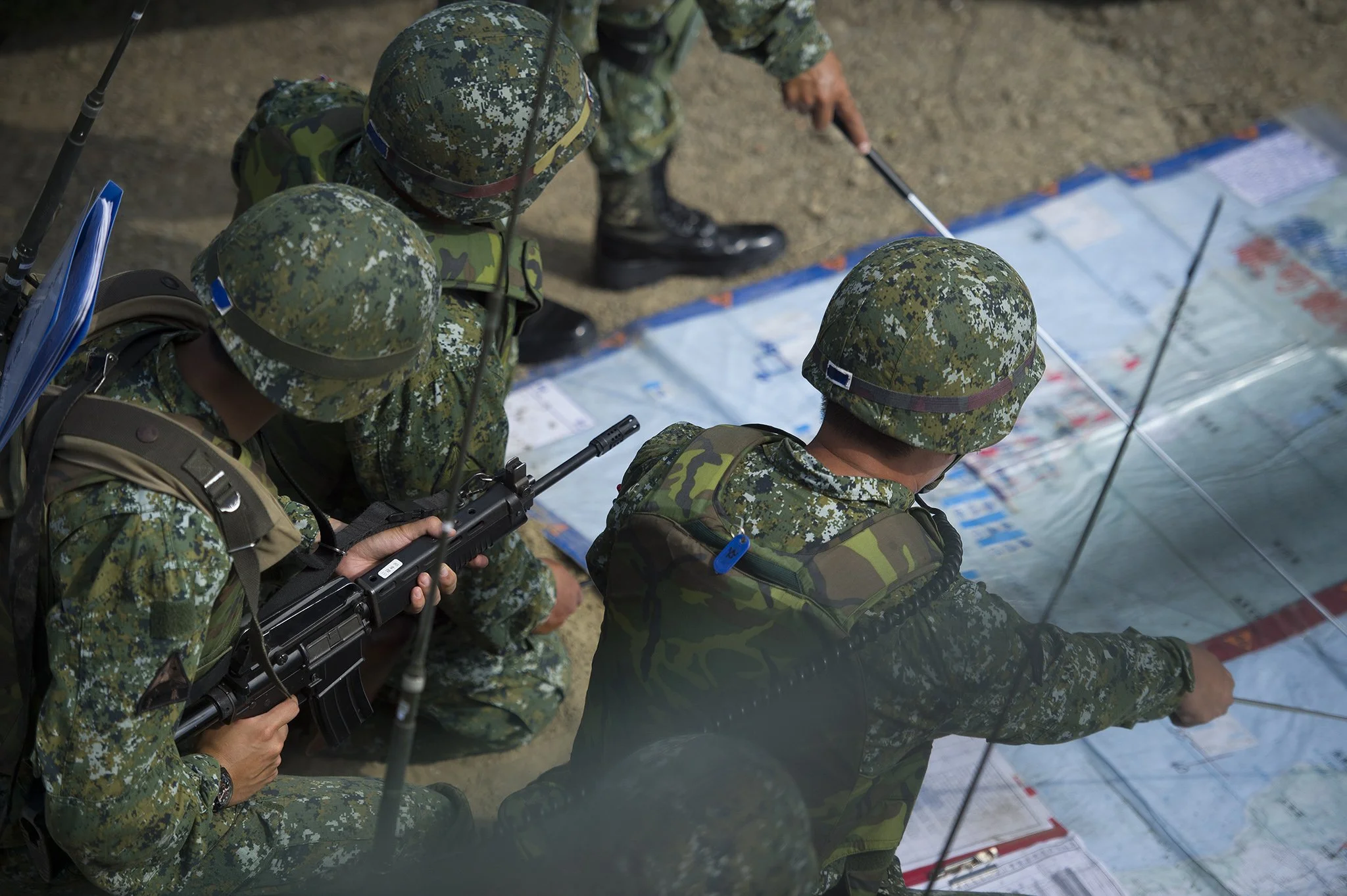
Taiwan should assess its existing force and all future investments and evaluate them from the lens of their warfighting potential, which should be the primary focus for their military.
Read MoreWritten by Dr Mi-son Kim
The current state of South Korean politics suggests that the country is at a critical moment that could determine its fate: democratic backsliding or consolidation.
Read MoreWritten by Abhishek Sharma
The trilateral summit is a stepping stone towards countering the DPRK and strengthening regional security; however, its success will only be judged in the face of changing politics in the respective capitals.
Read MoreWritten by Joe Varner
Even though this satellite launch failed, it suggests that Pyongyang is following the model of other nuclear weapons states to develop and refine its nuclear deterrence capabilities.
Read MoreWritten by Dr Yong Jae Kim
The critical conundrum for the political success of conservative evangelicals nowadays lies in the uncertainty of the relationship between evangelicals and the established conservative parties.
Read MoreWritten by Rupert Schulenburg
A rotational deployment of US ground-based anti-ship missiles to Philippine bases would constitute a major deepening of US-Philippines defence cooperation and could bolster regional deterrence.
Read MoreWritten by Fei Su and Xiao Liang
Despite concerns over the transparency on the official figures, the sustained growth in China's military spending demonstrates its unwavering commitment to the PLA’s modernisation to become a ‘world-class’ military by the mid-21st century.
Read MoreWritten by Dr Ryo Hinata-Yamaguchi
Without continuous efforts in Japan including securing monetary and political capital — together with coordinating and cooperating with regional partners — Tokyo’s push for defence modernisation will face a myriad of challenges going forward.
Read MoreWritten by Adrienne Wu and Melynn Oliver
Those who argue for a formal remilitarisation of Japan should consider why they advocate such a move. Amending Japan’s constitution has proven unnecessary to expand the SDF, therefore the only major benefit is to assay the fears of the Japanese public and expand its international role.
Read MoreWritten by Rorry Daniels
Beijing long signalled that it would respond to a Tsai-McCarthy meeting, but its actions did not break precedent and in many ways showed restraint.
Read MoreWritten by Joe Varner
A strong US industrial base with sufficient munitions stockpiles and weapons systems is critical for deterring Beijing in war.
Read MoreWritten by Dr Chang-min Lee
Although both allies of the US, Japan and Korea are forced to compete with each other economically, which is exacerbated by persisting political problems between Tokyo and Seoul.
Read More