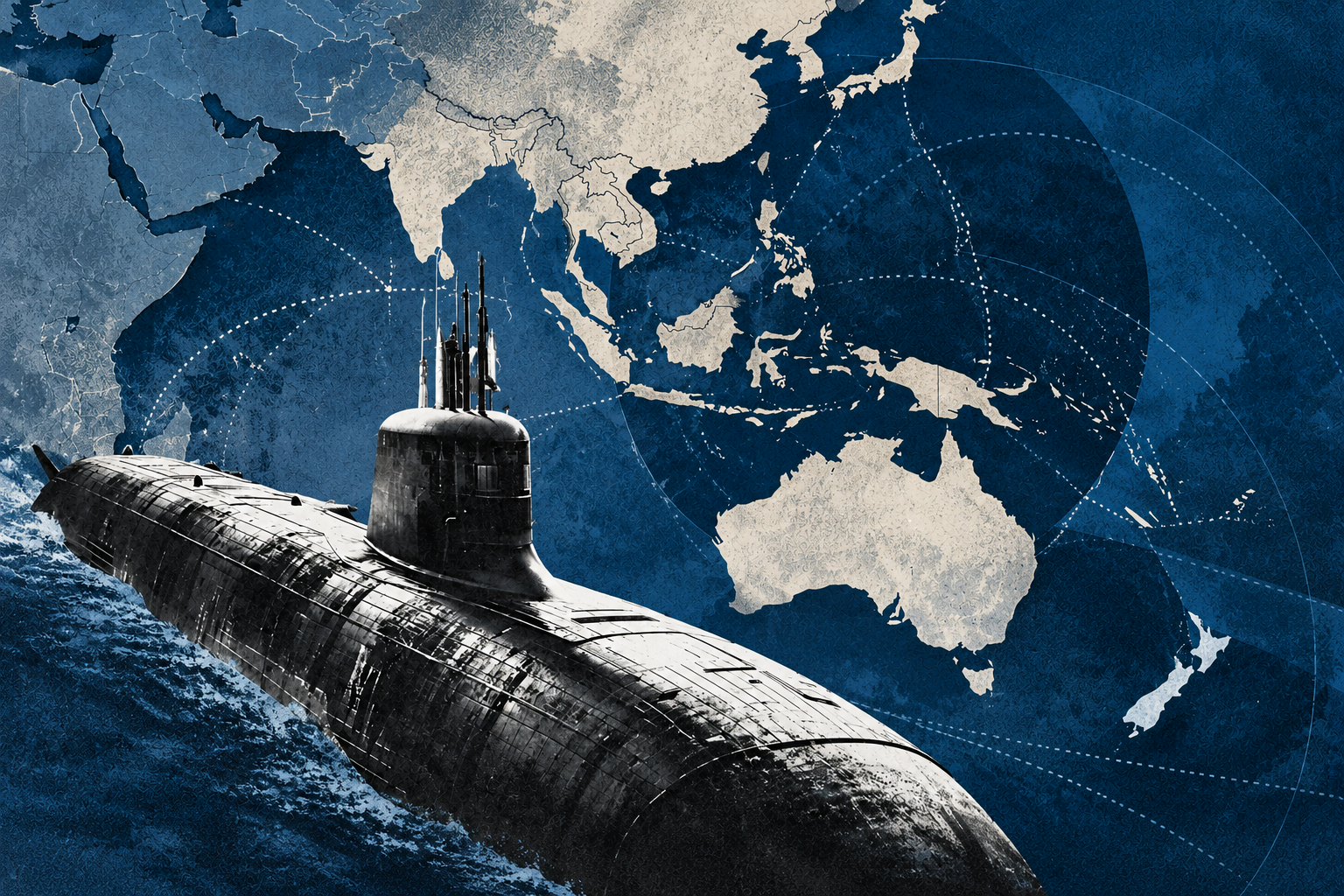
The limits of the Asian NATO analogy: European and Indo-Pacific security architectures

Written by Takuma Matsu and Dr. Paweł Behrendt

The Indo-Pacific is unlikely to follow Europe’s institutional trajectory. Rather than shifting toward a NATO analogue, it is developing a layered security architecture built on bilateral alliances and functional minilateral arrangements.

Read More

In Conversation: Pavin Chachavalpongpun, Founder of 112Watch

This week, we speak with Pavin Chachavalpongpun, Founder of 112Watch and Professor at Kyoto University, about Thailand’s lèse-majesté law (Article 112), political repression in Thailand and Southeast Asia, defending civic space, and the future of the movement against Article 112.

Read More
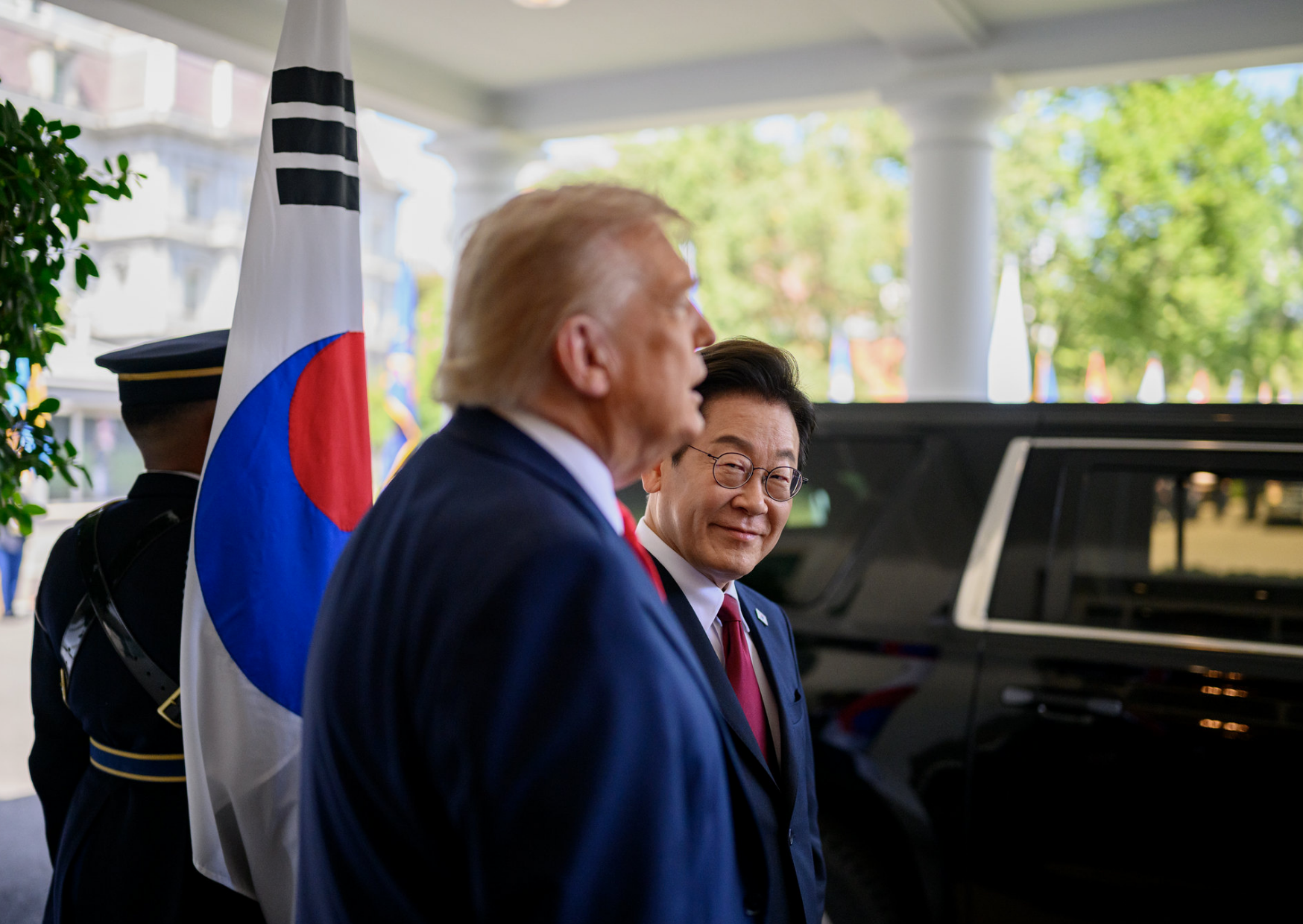
Model allyship with Washington: more burden than boon for South Korea

Written by Hunter Slingbaum

South Korea may have resisted Trump’s calls to extend military support to Iran, but new demands will come, and its leaders must remain clear-eyed as they chart a path to defensive independence. The country faces a choice: stretch the bounds of its own national interest to maintain its model ally status, or set firm red lines with its capricious security guarantor.

Read More
The Navigator’s October Issue — Now Available

This month’s brief examines the resurgence of political mobilisation in India, where youth-led protests have evolved into a broader challenge to the Modi government’s legitimacy, exposing the limits of coercion and the erosion of public consent. Alongside this, our regional review explores an Indo-Pacific caught between mounting domestic discontent and intensifying external pressures, as geopolitical rivalry, economic insecurity, and climate shocks test governments’ resilience and capacity for cooperation.

Join our briefing today and stay ahead of the curve.

Read More
China says it has too much competition — it has too few customers

Written by Gabrielle Sorensen

The gap between what China produces and what its households can buy will not close on its own. Managing a problem is not the same as fixing it, and deferring structural reform means the costs of that deferral accumulate.

Read More
Defending Canadian internationalism in Asia: views from Singapore’s civil society

Written by David Matijasevich

Canadian foreign policy under Prime Minister Mark Carney has turned away from its long-held liberal internationalist position, and realism appears to be trumping values. Recent interviews with Singaporean civil society activists examine the ways in which Canadian engagement would be appreciated by those engaged in local democratic and rights-oriented struggles.

Read More
New episode — AI and the global power shift: where do Europe and Asia stand?

In this episode, Zsuzsa Anna Ferenczy and Richard Heydarian are joined by Dr Louise Marie Hurel, Senior Research Fellow at the Royal United Services Institute to discuss how Europe and ASEAN can best navigate an increasingly complex AI landscape.

Subscribe now and never miss an episode.

Read More
In Forum FOIP: AUKUS in a free and open Indo-Pacific

A decade after Japan launched its Free and Open Indo-Pacific (FOIP) vision, tensions between AUKUS and Pacific Island security priorities are reshaping regional geopolitics. As AUKUS strengthens military deterrence, Pacific nations prioritise climate security, sovereignty and nuclear non-proliferation. We invite several leading experts to examine whether competing security visions threaten regional stability, intensify US-China rivalry and undermine FOIP’s principles of peace and cooperation.

Read More
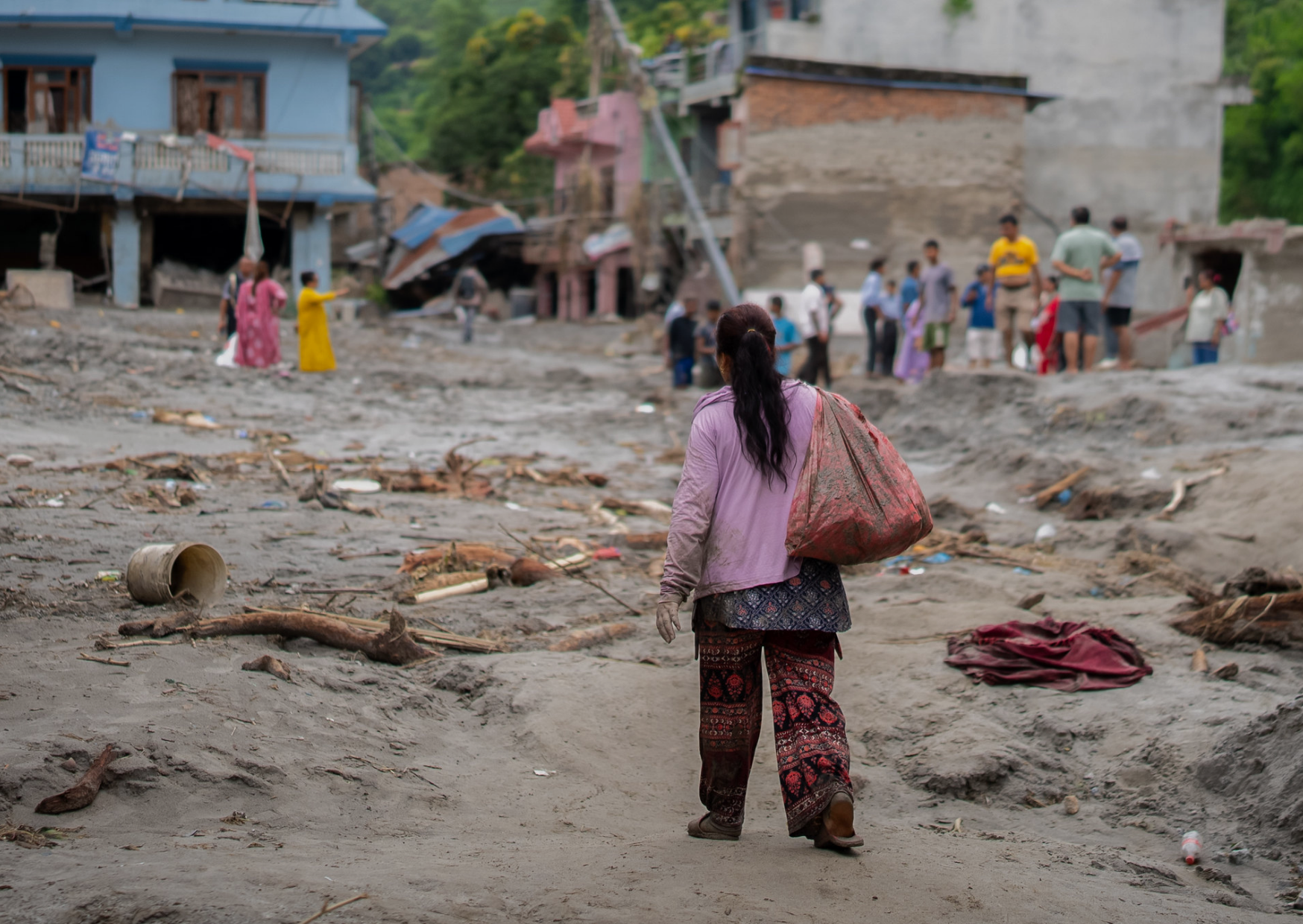
Nepal’s flash floods: a devastating reflection of weakening international climate responsibility

Written by Luana Correia

While the impacts on the region are imminent and unavoidable, they can be minimised through adequate adaptation and mitigation efforts. This requires wealthier, more capable actors to strengthen their multilateral climate finance commitments and provide impacted nations such as Nepal with strong reconstruction and recovery support. 

Read More
In Conversation with Dr Eva Seiwert, Senior Analyst, MERICS

Ahead of the 2026 Shanghai Cooperation Organization (SCO) summit in Bishkek (31 Aug – 1 Sept), 9DASHLINE spoke with Dr. Eva Seiwert about her new book, The Shanghai Cooperation Organization and China’s Vision of International Relations. Marking the SCO’s 25th anniversary, Dr. Seiwert draws on Chinese-language sources and interviews to examine how Beijing leverages the alliance to shape an alternative international order and navigate modern geopolitical crises.

Read More
The Polar Silk Road: nine years on and still not a master plan for the Arctic

Written by Erdem Lamazhapov

Fears that the Polar Silk Road is an instrument for gaining control in the Arctic or over Greenland mistake what is essentially a slogan for a coherent, centrally-directed strategy. Still, while the slogan is heard less frequently these days, it has not yet fallen into obscurity. Under the right conditions, China might find it useful to defrost the Polar Silk Road. 

Read More
A signal, not a spearhead: Russia’s Kuril message and Japan’s northern front

Written by Leonardo Morreale

Putin's August 2026 visit to the disputed Kuril Islands, combined with Russia's fortification of the chain and its growing military coordination with China, signals a defensive freeze rather than a springboard for attack. As Japan reorients southwards, the north remains a second front that will not close, a standing cost even if the shot is never fired.

Read More
The Navigator’s September Issue — Out Now

This month’s briefs examine a shifting Indo-Pacific security architecture, where expanding defence partnerships meet growing uncertainty over traditional alliances. New Zealand’s move to acquire strike drones highlights a more operational Pacific security landscape, while South Korea’s experience exposes the limits of “model allyship” with Washington. Alongside this, our regional review explores how states are adapting to a less predictable strategic environment.

Join our briefing today and stay ahead of the curve.

Read More
China’s new mobilisation law learns from Russia: foreign companies should too

Written by Stan Kwiatkowski

The time to reduce exposure is before a mobilisation order is issued, not after.

Read More
Indo–French relations après Macron: policy continuity under a Le Pen presidency

Written by Sapna Suresh

Should a future RN government end up pushing for protectionist policies, New Delhi should work towards diversifying its economic partnerships across other EU member states.

Read More
The Asian diaspora build-out

Written by Arijit Mazumdar

Giving diasporas a working system, proper funding, and, in Vietnam’s case, an actual address turns a sentimental tie into a resource a government can use, whether the goal is investment, skilled return migration, or simply a more organised constituency willing to speak well of home.

Read More
Why climate disaster risk belongs in defence agreements

Written by Ambika Vishwanath and Priyanka Bhide

The growing number and diversity of disasters in the Indo-Pacific region call for a more methodical approach between countries that share borders.

Read More