Ahead of the 2026 Shanghai Cooperation Organization (SCO) summit in Bishkek (31 Aug – 1 Sept), 9DASHLINE spoke with Dr. Eva Seiwert about her new book, The Shanghai Cooperation Organization and China’s Vision of International Relations. Marking the SCO’s 25th anniversary, Dr. Seiwert draws on Chinese-language sources and interviews to examine how Beijing leverages the alliance to shape an alternative international order and navigate modern geopolitical crises.
Read MoreWritten by Erdem Lamazhapov

Fears that the Polar Silk Road is an instrument for gaining control in the Arctic or over Greenland mistake what is essentially a slogan for a coherent, centrally-directed strategy. Still, while the slogan is heard less frequently these days, it has not yet fallen into obscurity. Under the right conditions, China might find it useful to defrost the Polar Silk Road.
Read MoreThis month’s briefs examine a shifting Indo-Pacific security architecture, where expanding defence partnerships meet growing uncertainty over traditional alliances. New Zealand’s move to acquire strike drones highlights a more operational Pacific security landscape, while South Korea’s experience exposes the limits of “model allyship” with Washington. Alongside this, our regional review explores how states are adapting to a less predictable strategic environment.
Join our briefing today and stay ahead of the curve.
Read MoreWritten by Stan Kwiatkowski
The time to reduce exposure is before a mobilisation order is issued, not after.
Read MoreWritten by Sapna Suresh
Should a future RN government end up pushing for protectionist policies, New Delhi should work towards diversifying its economic partnerships across other EU member states.
Read MoreWritten by Arijit Mazumdar
Giving diasporas a working system, proper funding, and, in Vietnam’s case, an actual address turns a sentimental tie into a resource a government can use, whether the goal is investment, skilled return migration, or simply a more organised constituency willing to speak well of home.
Read MoreWritten by Ambika Vishwanath and Priyanka Bhide
The growing number and diversity of disasters in the Indo-Pacific region call for a more methodical approach between countries that share borders.
Read MoreWritten by Eve Register
The protection of human rights has long been a founding principle of the EU. While the GSP+ programme represents an opportunity to advance this goal, human rights will remain subordinated to other priorities as long as the Commission leverages the programme to extract strategic advantage.
Read MoreWritten by Robert Barnett
On 8 August the Nepalese government ordered Kathmandu University to abort its plan to host a major international conference on Tibet. Media reports and online chatter assumed China to be the culprit, but what remains unclear is whether China had aimed at the total shut-down of the conference or whether Nepal misread the signals from Beijing and went further than required.
Read MoreWritten by Jason Togut
The history of silver has not come full circle, but it has begun to rhyme. Ming China pulled silver across the Pacific because its fiscal system created enormous monetary demand. Modern China pulls silver into factories because its industrial system creates enormous technological demand.
Read MoreAs 9DASHLINE expands its Indo-Pacific coverage, Assistant Editors — Luana Correia, Akash Nayak and Elizabeth Cherchia — share what drew them to the region, the trends they believe deserve greater attention, and what makes analysis truly stand out.
Their perspectives highlight the region’s complexity and the importance of looking beyond familiar narratives.
Read MoreWritten by Herman S. Taylor
The dispute with the Philippines was temporarily set aside rather than settled, leaving room for neutrality. Then Beijing brought the same coercive reflex to Manila that it used everywhere. The failure was not China’s refusal to yield its claims, but its inability to adopt softer tactics.
Read MoreThe August edition of THE NAVIGATOR is now available, delivering in-depth analysis, up-to-date information, and a comprehensive look at the Indo-Pacific region. This month we examine a region facing mounting pressure on multiple fronts. From extreme climate shocks and economic strain to shifting security partnerships and great-power competition, governments across the Indo-Pacific are increasingly focused on resilience, adaptability, and domestic stability.
Join our briefing today and stay ahead of the curve.
Read MoreWritten by Angelo M'BA
In the future, even less confrontational and security-focused iterations of FOIP are likely to face Beijing’s opposition because their premise of involving external actors — to balance China’s dominance — clashes with Beijing’s own objectives, regardless of content.
Read MoreWritten by Vignesh Rajahmani
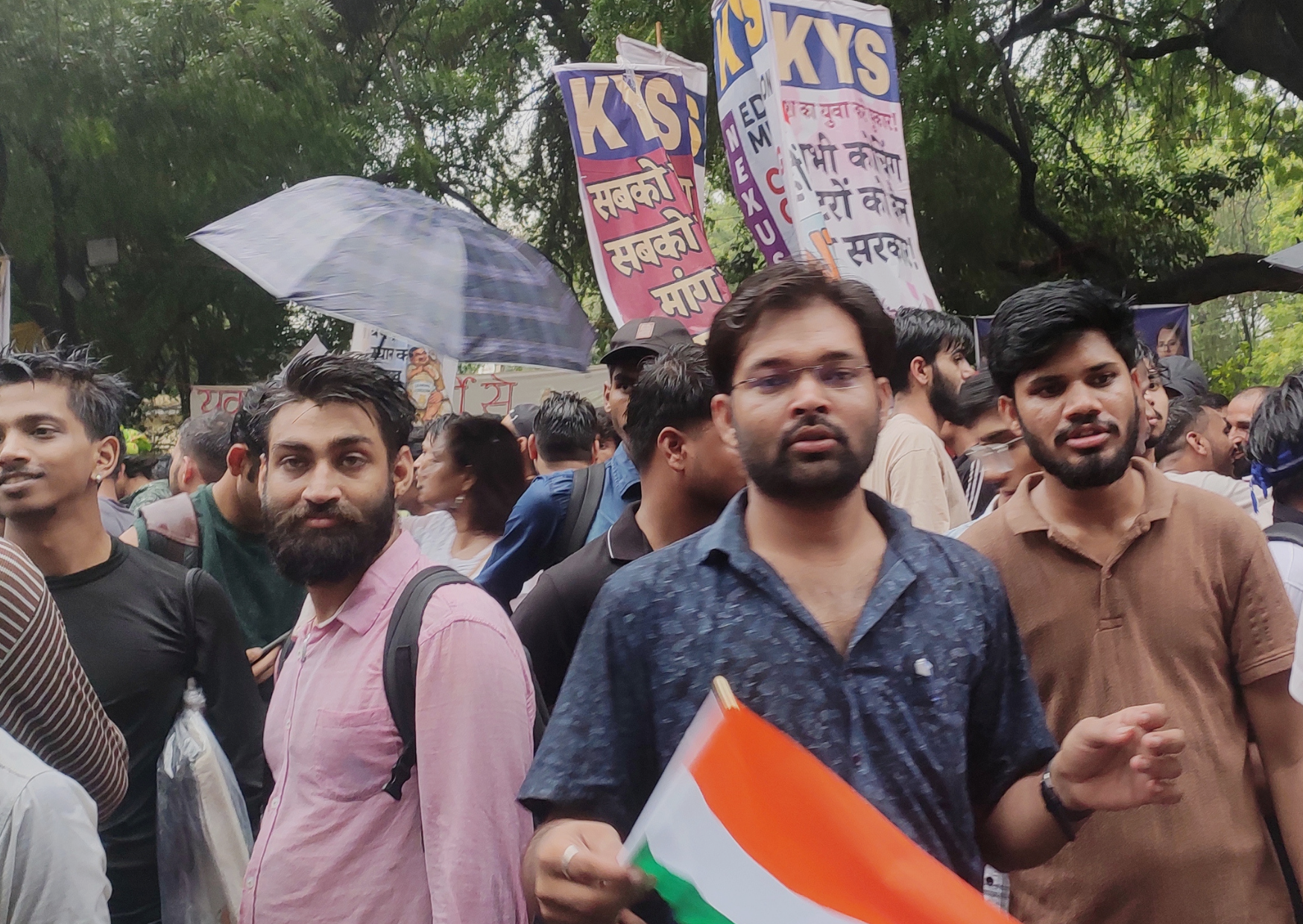
The movement’s success is no longer measured by Pradhan’s resignation. What counts now is the institutional response the movement can compel: an independent NEET investigation, a reform timetable, procedural safeguards, and legal defence for those beaten and detained in July.
Read MoreThis week, we speak with Pavin Chachavalpongpun, Founder of 112Watch and Professor at Kyoto University, about Thailand’s lèse-majesté law (Article 112), political repression in Thailand and Southeast Asia, defending civic space, and the future of the movement against Article 112.
Read MoreWritten by Carmina Yu Untalan
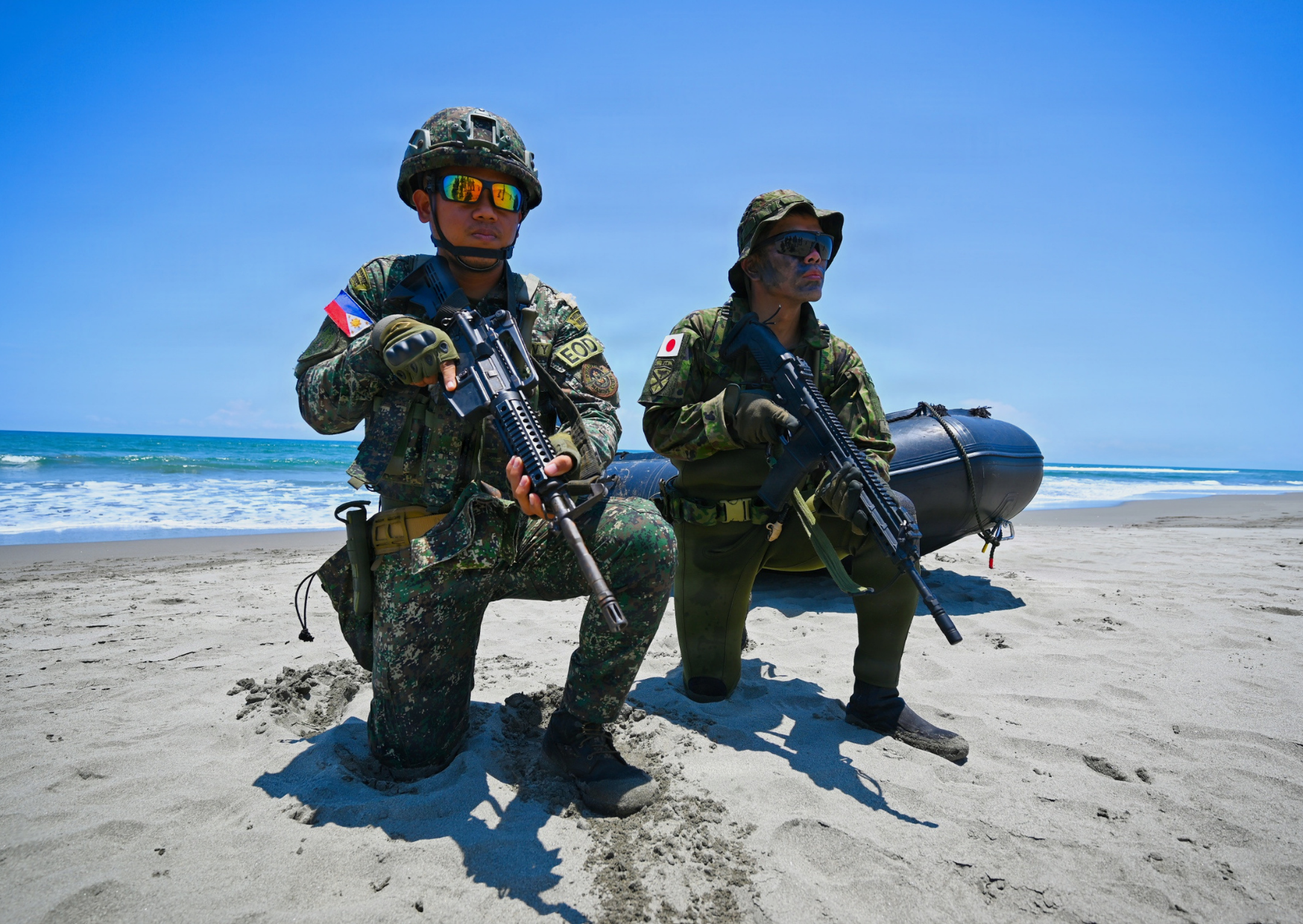
Indeed, if stronger Philippines-Japan relations rest on upholding a rules-based international order, then both parties must extend the same normative and legal commitments to protect and empower the communities in their own island peripheries.
Read More