In the past year or so there has been a big change in the way China’s political system is perceived in Europe. China’s actions with regard to several smaller European states like Sweden, Czech Republic, Lithuania, for example, have alerted publics to the political risks of close relations with Beijing.
Read MoreWritten by Kyoko Hatakeyama
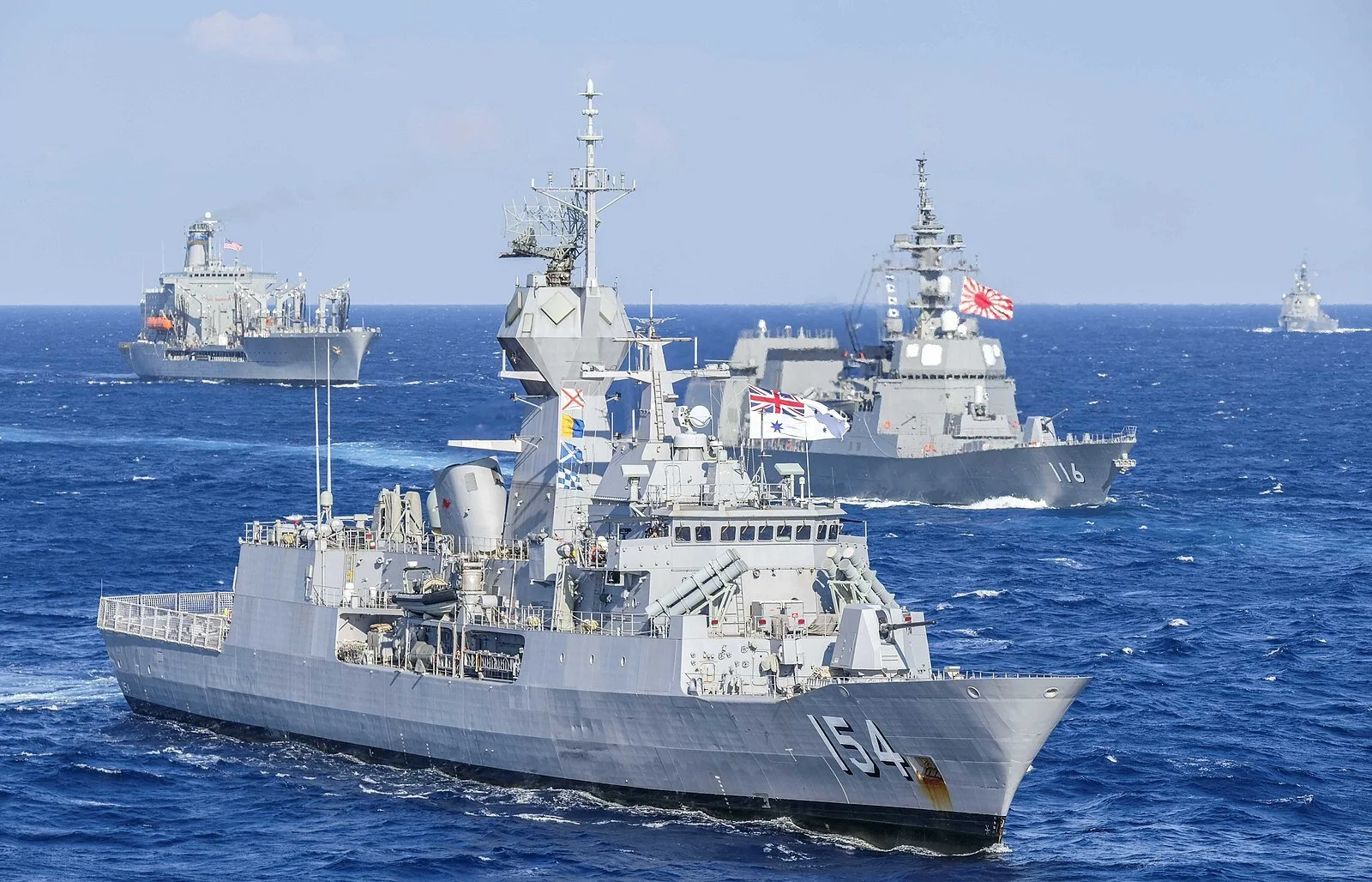
A more active and sustained defence partnership between Tokyo and Canberra could serve to supplement Washington’s commitments and military burdens across the Indo-Pacific region.
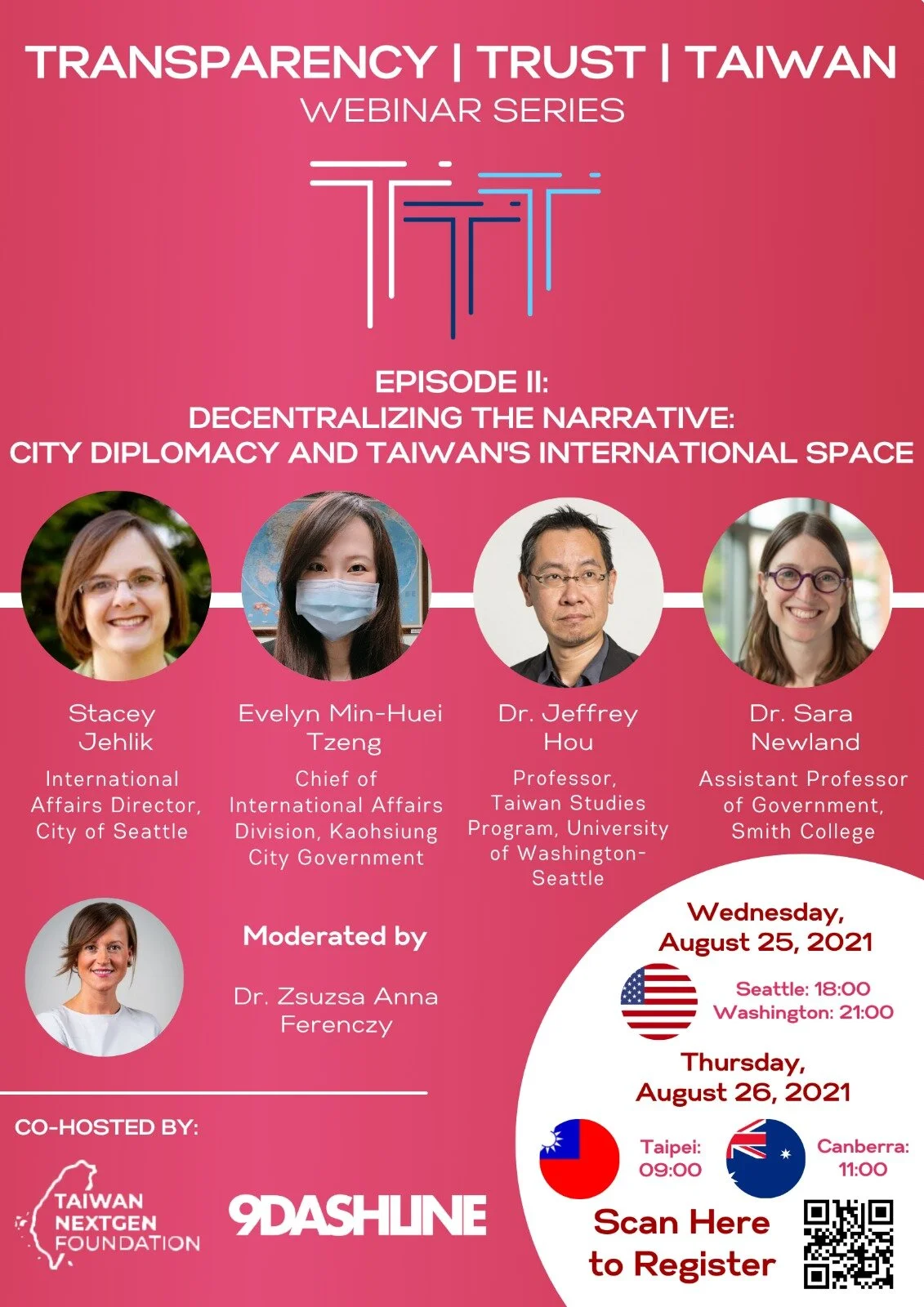
Read MoreTogether with our partner, Taiwan NextGen Foundation we are delighted to announce the second of our three-part series designed to examine Taiwan's status through the lens of Technology, Trust and Transparency.
Featuring a distinguished panel we hope you will join us for this excellent discussion: register here.
Read MoreWritten by Zachary Paikin
A trade-dependent country such as Canada would not necessarily benefit from the seemingly growing appetite for zero-sum competition in both Washington and Beijing. A tougher approach towards China also risks increasing Canada’s dependence on the US, even as the latter demonstrates a growing penchant for unilateralism and unpredictability.
Written by Jeremy Garlick
Beijing will look to ensure first and foremost that Uygur separatists do not gain support from the Taliban. In return, they will dangle some promises of investment for the sake of generating goodwill.
Read MoreWritten by Man Mohini Kaul
While India’s Act East Policy may sometimes appear to fall short in the implementation of specific projects, there is a resurgence marked by the convergence of strategic and security interests and a mutual desire for greater economic engagement.
Written by Ashley Townshend and Tom Corben
Transforming military exercises into collective deterrence operations will require the US, Australia, Japan and South Korea to double down on their strategic, military and technical coordination. This is a difficult path to tread even at the bilateral level. But it is vital to upholding the Indo-Pacific order.
Read MoreWritten by Olli Pekka Suorsa
Unlike the Royal Navy’s much larger destroyers, the OPVs can offer more opportunities for regional engagement, including participation in multinational training and exercises, capacity building activities, and showing flag. After all, ‘showing up’ is the ‘hot currency’ in Southeast Asia.
Read MoreWritten by Husanjot Chahal
The significance of tech improvements in logistics cannot be overemphasised for India — a country that faces key logistical constraints across its major battlegrounds and fears logistical vulnerabilities in handling a potential two-fronted war against China and Pakistan.
Read MoreWritten by Jennine Liu
Bilateral disagreements over trade and extradition policies are likely to worsen China’s relations with the US and Canada, which will likely increase the threat of hostage diplomacy and arbitrary detentions for American and Canadian travellers in Hong Kong.
Read MoreWritten by Jumakhan Rahyab and Meena Yakobi
The international community must not allow the Taliban leadership’s overtures in Doha — about their plans to observe the international conventions — to cloud their thinking. The Hazaras need international support, and they need it immediately.
Read MoreWritten by Nick Bisley
Whether others follow the example Australia has set, placing the military at the heart of regional policy, will be key to determining Asia’s emerging strategic landscape. Thus far even Japan, which has much greater clashes of interests with China, has not gone as far as Canberra.
Read MoreWritten by Frances Mangosing
The way things are going, we can expect Duterte to ramp up nationalist rhetoric over the next few months to gather voter support for his chosen successor. We have seen this game before.
Read MoreWritten by Gerald C. Brown
If China adopts a launch-on-warning posture that could cause substantial damage to the United States regardless of arsenal size, nuclear weapons are also unlikely to be enough to deter conventional conflicts outside the United States.
Read MoreWe are delighted to announce the appointment of Dr Eva Seiwert as our new Associate Editor. Dr Seiwert brings a wealth of experience to the role and we look forward to her work in continuing to showcase the next generation of leading thinkers while also working to connect Europe and the Indo-Pacific.
Read MoreWritten by Ratih Kabinawa
Epistemic networks in Taiwan and Southeast Asia might learn from the success of their counterparts in European and North American countries in establishing regional Taiwan Studies associations. The Taiwanese government should also play an active role in fostering the establishment of such associations.
Written by Aleksandra Gadzala Tirziu
In the case of Didi and China’s wider technological crackdown, it is then ideology, above all else, that is at the centre. Recognising and internalising this fact will help foster a better global understanding of China, and a better ability to anticipate what else is to come.
Read MoreWritten by Drake Long
The time for introspection should not wait for the COVID narrative to shift once more. After all, the crew change crisis is still not over: the world has just entered its 30th month of leaving its seafarers out at sea, with no safe harbour for them to find.
Read More