Written by Chhay Lim
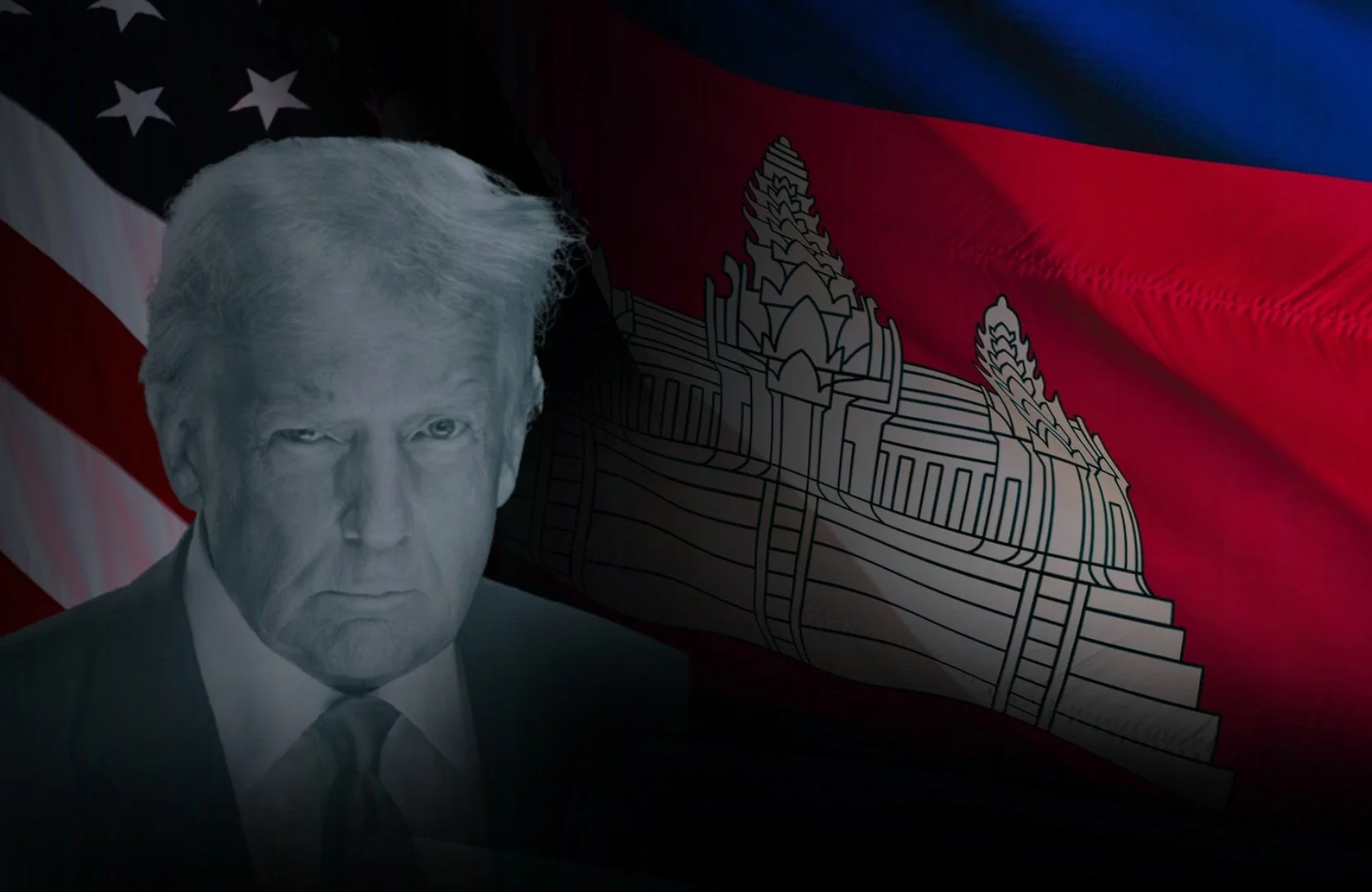
Policies that force Cambodia into a binary choice risk deepening its reliance on China and undermining US efforts to maintain influence in Southeast Asia.
Read MoreWritten by Chhay Lim
Policies that force Cambodia into a binary choice risk deepening its reliance on China and undermining US efforts to maintain influence in Southeast Asia.
Read MoreWritten by Hunter Marston
While sanctions alone are unlikely to change the military’s behaviour, they are more likely to be effective when part of a broader diplomatic strategy, which is required to resolve the current crisis.
Read MoreWritten by Tran Thi Mong Tuyen
To establish itself as a semiconductor hub Vietnam needs a bold strategy that leverages its ‘latecomer’ advantages. Vietnam should set clear goals and concentrate resources on developing its semiconductor industry, with milestones for 2030 and 2050.
Read MoreWritten by Farwa Aamer
Economic marginalisation, including limited access to higher-paying jobs and decision-making roles, often constrains women's ability to advance politically, creating a cycle where economic disadvantages also feed into underrepresentation in political leadership.
Read MoreWritten by Meghan Murphy and Bryanna Entwistle
Unable to stop a deadly civil war within its member states, halt transnational crime that crosses its borders, deliver solutions on maritime rights, or mitigate superpower relations, the bloc feels to many as an increasingly irrelevant mechanism in which to conduct foreign affairs.
Read MoreWritten by Aniello Iannone
The persistent influence of the military and entrenched oligarchies continues to subvert the will of the electorate, creating a hybrid political system where democratic processes are overshadowed by authoritarian interventions.
Read MoreWritten by Japhet Quitzon
Beyond its effect on domestic politics, social media also demonstrates the potential to advance the agenda of foreign agents in Southeast Asian countries.
Read MoreWritten by Tamas Wells and Pyae Phyo Maung
Fostering relationships of solidarity between international and Myanmar humanitarian organisations requires practical change in terms of easing overly onerous compliance processes.
Read MoreWritten by Ophelia Yumlembam
The ongoing conflict raises serious concerns about potential balkaniszation, a fracturing of Myanmar, which could lead to a protracted civil war, increased war crimes, and spillover of humanitarian crises like refugees into neighbouring countries.
Read MoreWritten by Mathis Lohatepanont
The new senators are largely unknown to the public; their individual preferences can only be gleaned with time, and so how they will behave is largely still a matter of speculation.
Read MoreWritten by Dr Mai Truong
The government has significantly increased arrests of pro-democracy activists. Recently, many prominent democracy advocates, including Pham Doan Trang, who received the 2024 PEN America Freedom to Write Award, have been detained, and many of the previously mentioned blogs and websites have been shut down.
Read MoreWritten by Dylan Motin
Indonesia appears relatively under-committed to power politics and continental affairs. It worries about China’s rise, but not to the extent of joining US-led containment efforts.
Read MoreChhay Lim and Kimpor Try
While there is leeway for Cambodia to hedge and pursue an independent foreign policy, the new government under Hun Manet has no choice but to continue diversifying strategic and economic partners.
Read MoreWritten by Dr Narayani Sritharan and Peter Rizkillah
Sinophobia in Indonesia is not merely a by-product of the BRI but a consequence of economic ambition intersecting with security concerns in a rapidly changing geopolitical landscape.
Read MoreWritten by Dr Denis Suarsana
Countries like Japan, South Korea, and Australia are becoming increasingly important. The EU is markedly punching below its weight in Southeast Asia and needs to fight hard to stay relevant at all.
Read MoreWritten by Chris Fitzgerald
Their return represents and legitimises a darker time of dictators, corruption and atrocities, which many older Indonesians and Filipinos hoped was history. It is undoubtedly a step back and suggests strongmen are now the norm, not the exception.
Read MoreWritten by Pradeep Krishnan
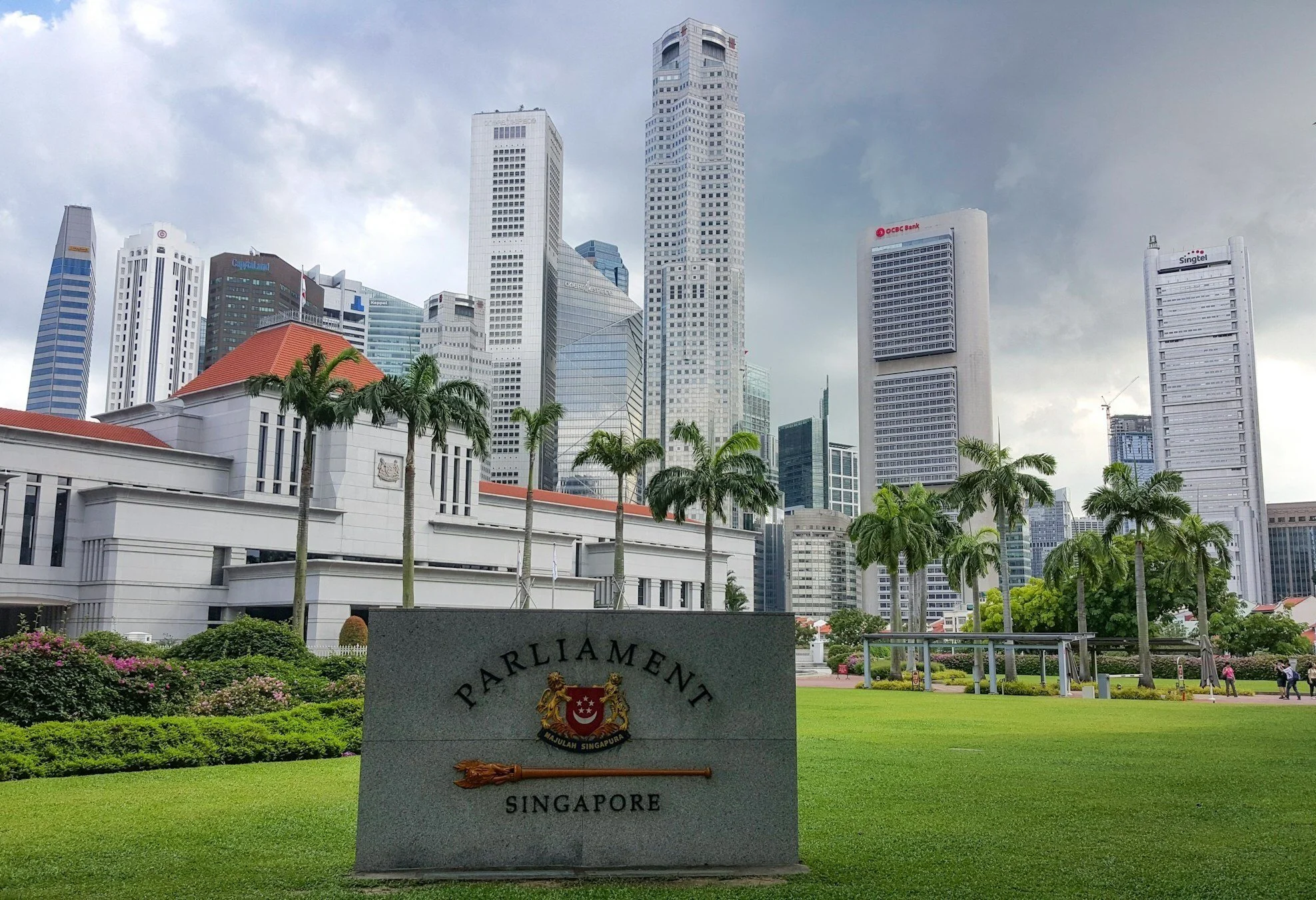
Post-independence politics in Singapore has known a few watershed moments; each noteworthy for chipping away at the PAP’s dominance.
Read MoreWritten by Joshua Bernard Espeña
In the Philippine context, the country’s newfound middle-power position offers the Southeast Asian state the ability to navigate uncertainties based on clearly defined national interests, and doubling down on its commitment to develop its infrastructures in the West Philippine Sea is one of the ways to do it.
Read More