Written by Ian Hall
There can be little doubt that what just happened in the Galwan River Valley constitutes the biggest test yet faced by Narendra Modi’s government. Modi’s options are, however, constrained.
Read MoreWritten by Ian Hall
There can be little doubt that what just happened in the Galwan River Valley constitutes the biggest test yet faced by Narendra Modi’s government. Modi’s options are, however, constrained.
Read MoreWritten by Angana Guha Roy
In recent weeks South Korea has spoken about reopening a complaint filed with the WTO over Japan’s attempts to curb high end technology exports to its companies. This is just the latest turn in a continuation of Seoul’s bilateral trade dispute with Japan which started last year.
Read MoreWritten by Bich T Tran
Vietnam’s Three-No’s principle makes alliances unlikely, a recent white paper states however that: “Vietnam will consider developing appropriate defense and military relations with other countries, regardless of political regimes and levels of development.”
Read MoreWritten by Zsuzsa Anna Ferenczy
Beijing’s approach is taking the international community further away, rather than closer to a strategy focused on human rights and accountability. As Beijing and Washington remain locked in rivalry, Beijing and Pyongyang share similar goals: the weakening of the US-South Korea alliance.
Read MoreWritten by Rushali Saha
A recent statement by India’s Army Chief accused Kathmandu of acting at the behest of others, a fairly direct reference to China. Remarks not taken well by Nepalese civil society. As Nepal struggles to balance India and China, another actor also seeks greater influence in the Himalayas: the United States.
Read MoreWritten by Charles Dunst
The Mekong, thanks to the level of Chinese control, is well on its way to becoming the next South China Sea: a strategic body of water to which China maintains expansive claims and over which it increasingly exercises control.
Read MoreWritten by Vengalil Venugopal
In the last decade China has been developing its A2/AD strategy in the South and East China Seas and in the Taiwan Straits. The ambition is to disrupt the freedom of navigation for the United States and its allies and increase calculus of risk for ships operating in increasingly tense waters.
Read MoreWritten by Shreyas Deshmukh
Over the last two decades, the Pakistani military has launched 10 major operations in the Pashtun Tribal belt to eradicate terrorist organisations and the Tehrik-i-Taliban Pakistan (TTP).
Read MoreWritten by Saurabh Singh
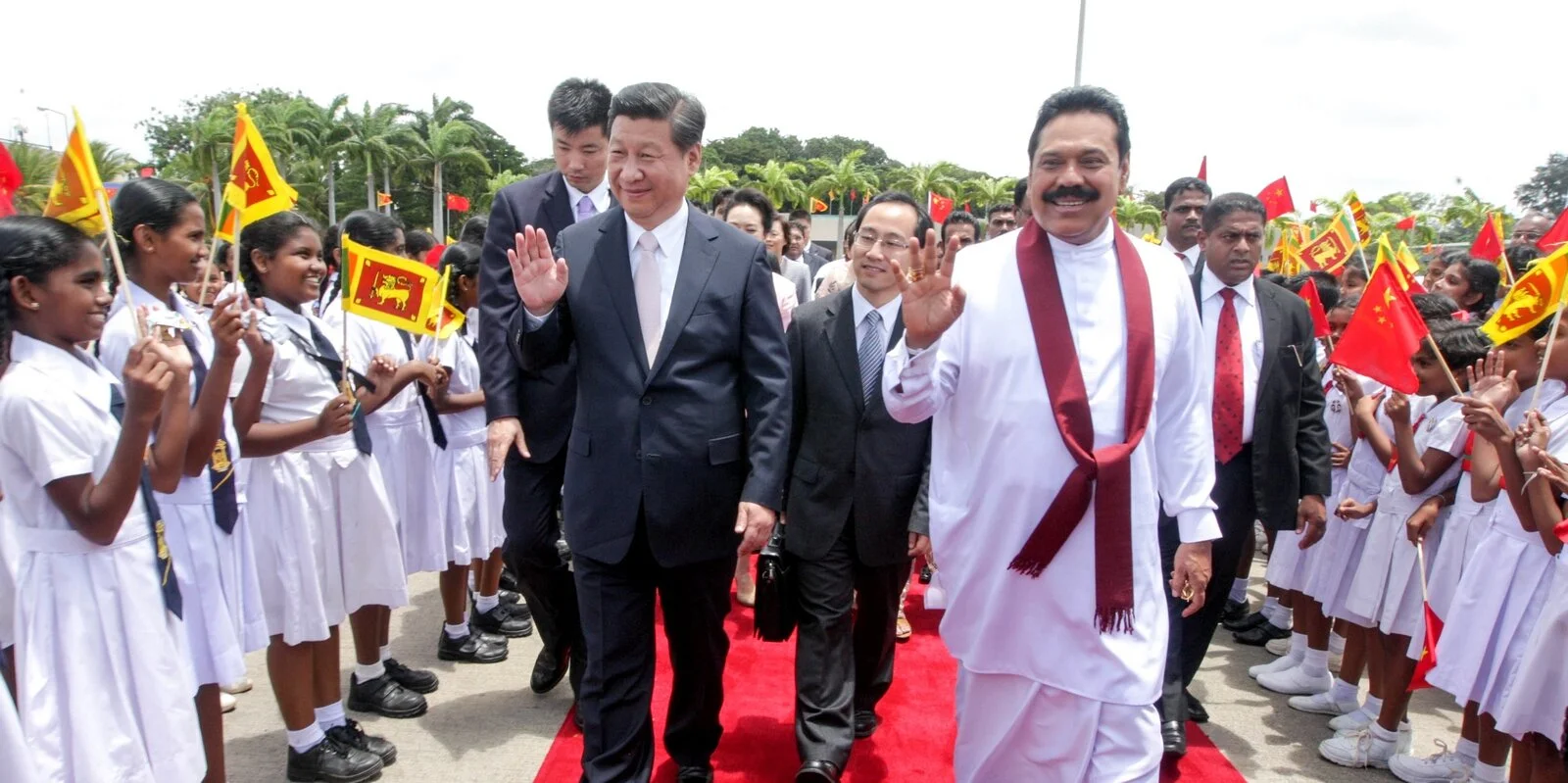
Sri Lanka and its majors ports, as part of the Belt and Road Initiative, may just be the beginning of a wider programme of Chinese economic and military projects in the years ahead, with a major presence by Beijing becoming the new normal in South Asia.
Read MoreWritten by Ankit K
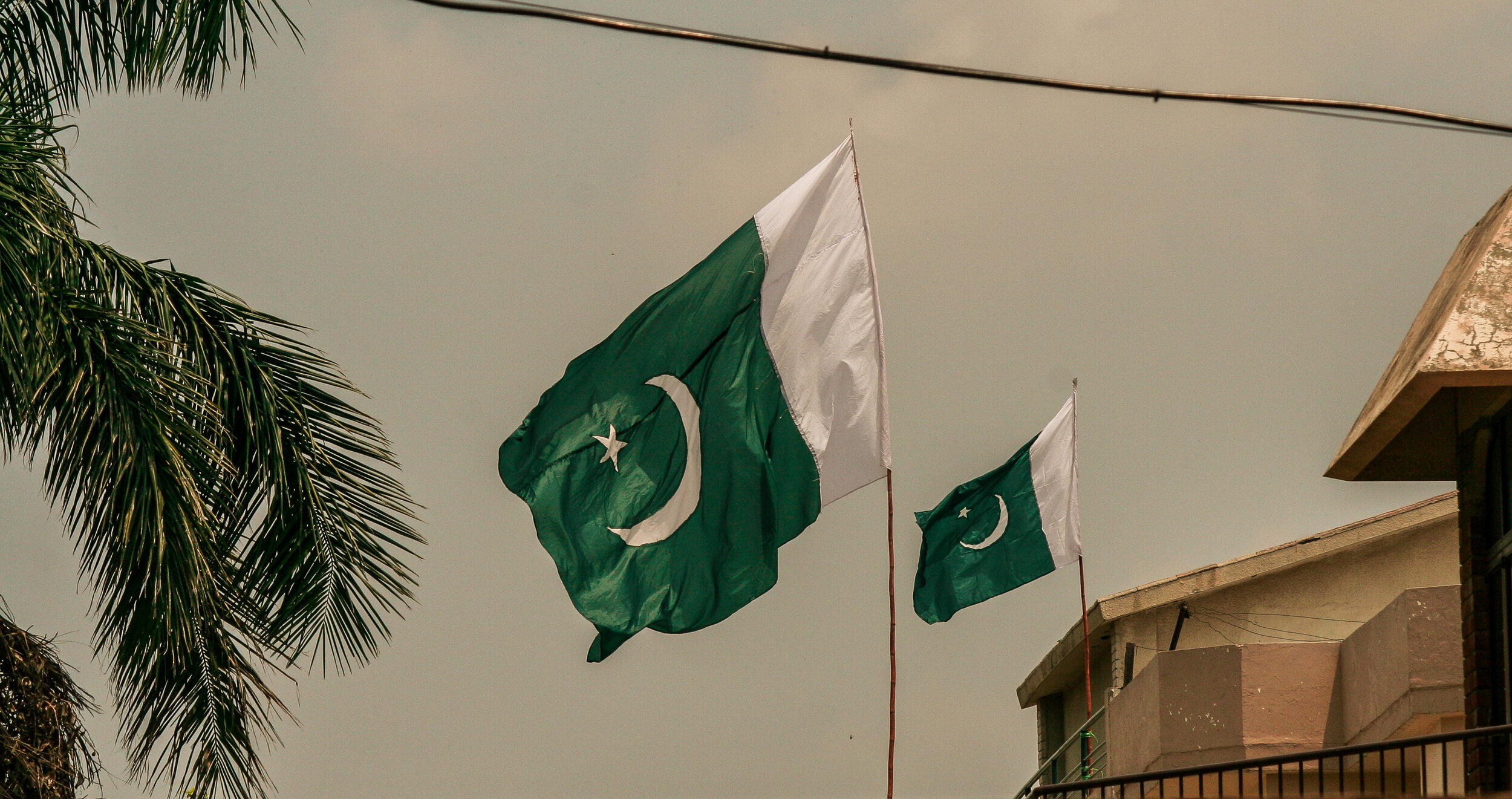
This year marks 22 years of Pakistan’s overt nuclearisation. Since its first weapon tests in May 1998, Pakistan’s nuclear programme is ever-growing, both in numbers and in variety.
Read MoreWritten by Manali Kumar
India’s economy was already in a downward spiral long before the lockdown. The domestic economy has desperately needed reform and stimulation for years, but the Modi administration’s policies have failed to deliver time and time and again.
Read MoreThis partnership will enable selected articles to feature across both platforms, providing contributors the opportunity to reach an ever greater audience and reflects the passion of both teams to develop analysis and commentary about one of the world’s most vibrant and exciting regions: South Asia.
Read MoreWritten by Shreya Sinha
It is becoming increasingly important for the European Union to weave the path between China and the US. The EU can play a key role in avoiding a new Cold War between Beijing and Washington by refusing to participate in it.
Read MoreWritten by Michael Trinkwalder and Sarah Aver
China was the first major economy to experience a COVID-19 related downturn, Beijing’s success in stamping out the virus now puts the country in a unique position to lead the global economic recovery, via the Belt and Road Initiative.
Read MoreWritten by Vengalil Venugopal
Considering the importance of the Indian Ocean to China’s economic growth, the strategy undertaken by Beijing has been to build duel use infrastructure, capable of hosting both civillian and military vessels at different locations across the Indian Ocean region.
Read MoreShada Islam is Director of Europe and Geopolitics at Friends of Europe, an influential independent think tank based in Brussels. She is also a Solvay Fellow at the Vrije University Brussel (VUB).
Read MoreWritten by Niranjan Marjani
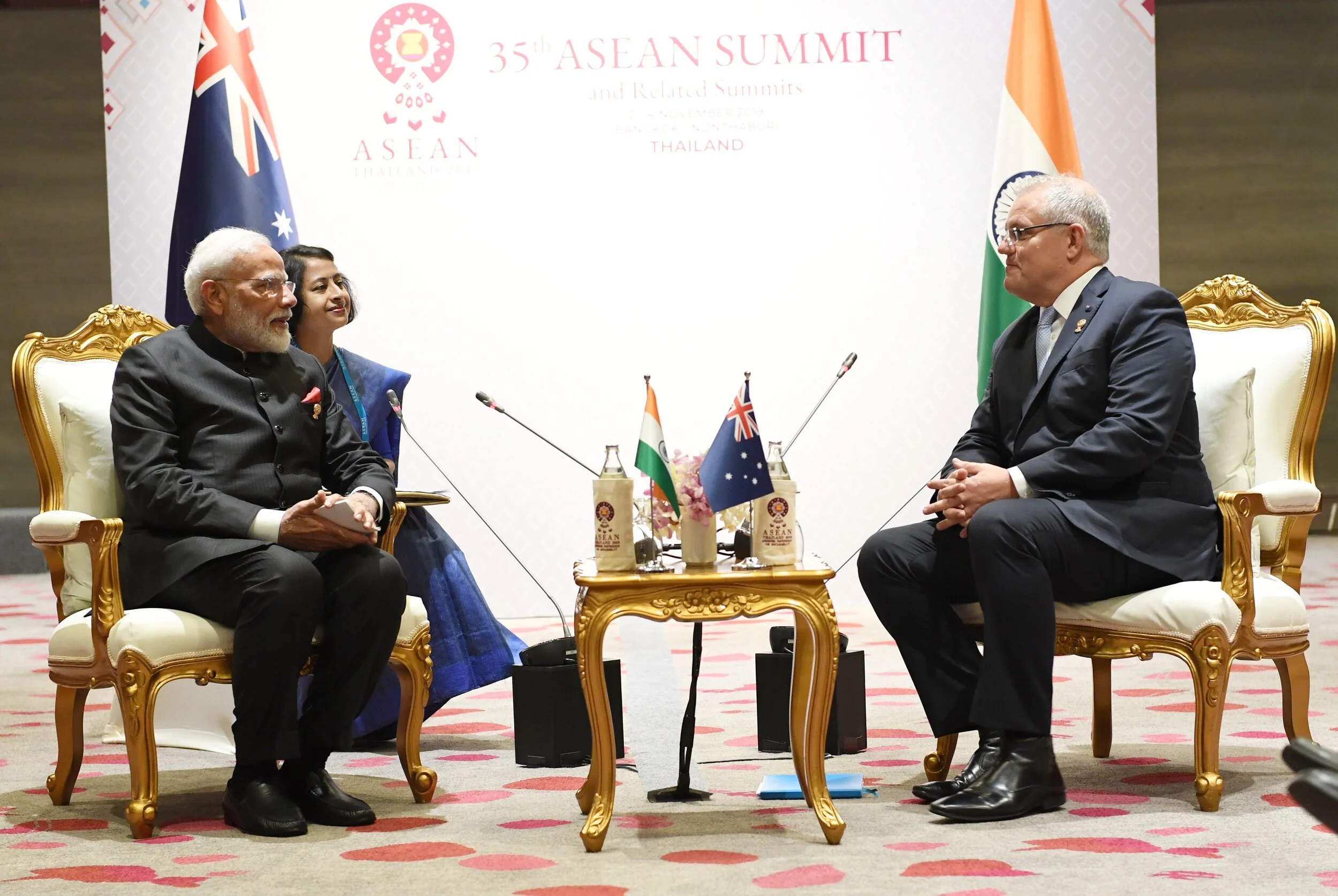
India-Australia relations remain to be realized fully. Despite being two major democracies in the Indo-Pacific, ties to Australia remain asymmetric to India’s engagements with other powers like Japan. COVID-19, combined with China’s assertiveness, represents an opportunity.
Read MoreWritten by Mansheetal Singh and Megha Gupta
China’s actions toward Taiwan and the South China Sea may seem innocuous, but they are being recognised regionally as part of a long term “salami-slicing” strategy employed by Beijing in maritime spaces and beyond.
Read More