A window of opportunity for India and the Philippines to deepen bilateral relations
Written by Joshua Bernard B. Espeña
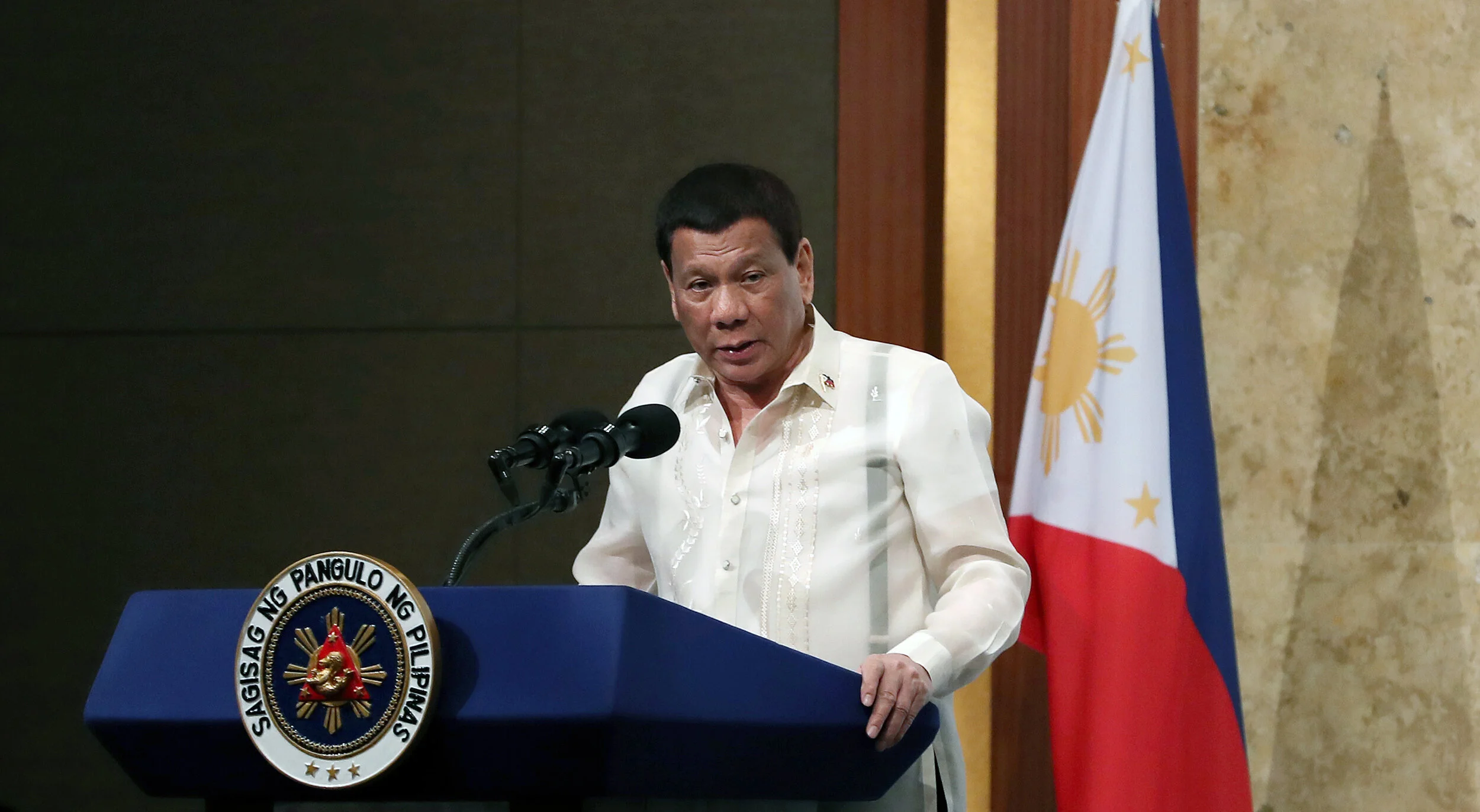
Like Modi, Duterte’s approach is based on caution and building mutual trust to avoid a wider geopolitical conflict, and setting aside territorial disputes in exchange for trade and investment opportunities. This policy has continued despite regular harassment of Filipino fishing vessels by Chinese coast guards.
Read More
UAE-Israel peace deal: Will India have to choose sides in the Middle East?
Written by Niranjan Marjani
In the past few years, in particular, under Modi’s premiership, India has developed increasingly close ties with Saudi Arabia and the UAE, which has gone beyond the narrow realm of religious connections. India has also been successful in upgrading its relations with Saudi Arabia and the UAE to the strategic level.
Read More
India-China rivalry: Towards a two-front war in the Himalayas?
Written by Sreejith Sasidharan
The violence in Ladakh, also allowed Beijing to examine the degree of coordination that exists within the Indo-US strategic partnership. As Indian and Chinese soldiers clashed with medieval-style weapons in the Galwan Valley, Beijing paid close attention to how the United States reacted.
Read More
Call for Papers: Intergenerational Politics
If you would like to write for us on the topic of generational perspectives on democracy, please email a brief pitch clearly and succinctly outlining the focus and argument of your proposed article.
Read More
China's increasing forays into the Bay of Bengal
Written by Manish Jung Pulami
Beijing's presence in the Bay of Bengal’s waters has provoked a level of strategic competition among regional and extra-regional actors not seen since the Cold War when Soviet and American Indian Ocean squadrons competed for influence in South Asia.
Read More
President Duterte’s anti-terror law: A power grab
Written by Prashant Kandpal and Koushlender Singh Bundela
Recent attacks from extremist splinter groups, including the resurgence of Islamic State in the region has forced Duterte to put his weight behind a reformed terrorism bill. Those protesting against the new anti-terror bill fear that provisions within it will give Manila unsupervised power over the citizens of the country.
Read More
South China Sea: The US is struggling to build a coalition against China
Written by Anisa Heritage and Pak K Lee
The inherent contradictions between Trump’s America First strategy and the current calls for a coalition against China remain a sticking point. Trump has never attended an East Asia Summit, and his administration’s denigration of alliances has reduced American capacity to create a coalition of like-minded partners to support its position in the South China Sea.
Read More
The case for strengthening Indonesia-Oman ties
Written by Muhammad Zulfikar Rakhmat and M. Habib Pashya.
Oman is no way going to replace the U.S. or China as Indonesia’s main economic and security partner. However, Muscat could become one of the many alternative partners that Indonesia should embrace to be less dependent on China and the U.S., especially in the realm of counter-terrorism.
Read More
Tensions on the border are straining Nepal-India relations
Written by Dinesh Bhattarai
The current dispute concerns the territory on the eastern side of the Mahakali river, a strategic area at the trijunction between Nepal, India, and China. This area has been under India’s control since the 1962 Sino-Indian border war.
Read More
South Korea: The F-35B and its aircraft carrier ambitions
Written by Lokman Karadag
Prompting Seoul’s aircraft carrier program are the persistent reports of the Trump Administration’s plans to withdraw a sizeable number of US troops from the Korean peninsula, leaving South Korean officials increasingly uncertain over Washington’s defence guarantees.
Read More
Thailand protests: What next for the junta, and the monarchy?
Written by Zachary Abuza
In Thailand there is a growing frustration that after holding power for five years, the military junta continues to cling to power and disenfranchise the electorate. The government of Prayut Chan-o-cha holds little in the way of legitimacy and increasingly, so does the monarchy.
Read More
Hong Kong: Can it be saved?
Written by Amelia Hadfield
What began as a single protest in 2003 has now turned into a consolidated, permanent anti-government structure, including a wide range of citizens and stakeholders from across and beyond Hong Kong, all of whom are largely united in their demands to preserve democracy and autonomy for Hong Kong.
Read More
Why India must engage pro-actively in Afghanistan
Written by Chayanika Saxena
Since the Taliban’s presence in the peace process is inevitable, India must abandon its self-imposed binary approach to the impending negotiations and adjust its strategies accordingly. India’s either/or approach is no longer viable, especially when the Afghan government is willing to negotiate with the Taliban.
Read More
Sri Lanka-India relations: finding a way forward
Written by Manavik Raj
The recent developments in the India-China relationship, specifically the stand-off in Ladakh, India’s growing interest in the South China Sea and the development of the Quad all have implications for the India-Sri Lanka relationship, in large part due to China’s perceived influence in Colombo.
Read More
The Myanmar challenge in China’s “String of Pearls” strategy
Written by Don McLain Gill
In a surprising turn of events, the government of Myanmar has decided to involve international partners in the mega Yangon City Project, which is a key element of the Beijing-funded China-Myanmar Economic Corridor (CMEC).
Read More
India-China border tensions: assessing New Delhi’s response
Written by Tanvi Kulkarni
Since May, New Delhi has tried to delicately balance the diplomatic-military standoff on the LAC with the broader economic relationship with China. It has neither summoned the Chinese envoy over the transgressions nor explicitly demanded a status-quo ante.
Read More
What was behind the Jalalabad prison raid by the Islamic State?
Written by Saurav Sarkar
The attackers were well-armed and equipped pointing towards careful preparation and a well-tested strategy. The tactics used by Islamic State in Iraq and Syria appear to have been deployed with lethal effectiveness by ISKP in Afghanistan.
Read More
US-China tensions give ASEAN nations reason to find other partners
Written by Muhammad Zulfikar Rakhmat
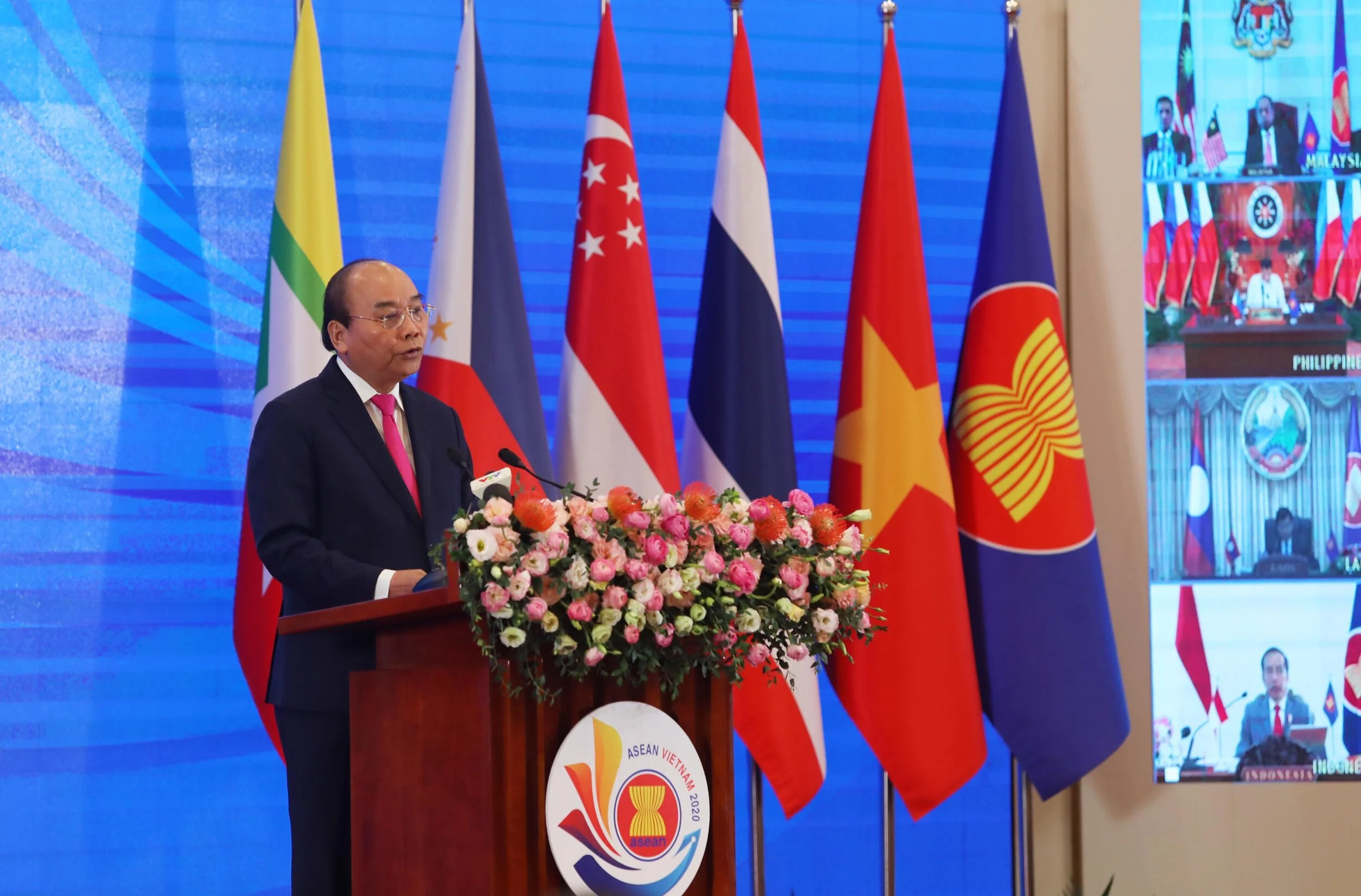
Southeast Asian countries should lessen their dependency on China and the US due to China’s growing assertiveness in the region and growing distrust of the US as a security partner. Although the region wants to continue enjoying access to China’s market and Chinese investments, China’s expansionist policy threatens the sovereignty of Southeast Asian countries.
Read More