In January we invite articles that seek to predict and analyse events across the Indo-Pacific for the year ahead. We welcome features that may focus on a specific country or issue (i.e. North Korea or multilateralism) in addition to pieces aiming to address the Indo-Pacific as a whole such as an ‘Indo-Pacific Top 10’.
Some critical observers warn that Taipei will inevitably have to deal with the unyielding demands of Chinese nationalism. But that is not the only reality that has to be faced. Beijing must also face the reality of the Taiwanese nation.
The lack of an heir apparent and the middling popularity of the rest of the NLD raises the question of whether the party can even exist without Aung San Suu Kyi at the helm. Let alone govern with continued majorities.
In recent elections, the voters have punished the KMT for appearing too close to the Chinese Communist Party. Opinion polls consistently show the Taiwanese people overwhelmingly want to remain separate from mainland China.
Australia has no ability to remake China into a completely different country. We need to live with it. This means both standing up to China and getting along — hardening our defences, while ensuring our economic prosperity. Without an economy, a country can’t pay to keep itself safe.
Upon Hun Sen’s death or incapacitation, public anger—the result of his closeness with China and failure to address corruption, a lack of jobs, and lagging development—could converge with elite discontent to topple Hun Manet, the strongman’s eldest son and successor.
US lawmakers and officials are contemplating a ‘reshoring fund’ of $25 billion to encourage critical suppliers to move out of China. Japan earmarked more than $2 billion in subsidies for companies to either bring manufacturing back home or diversify supply chains to Southeast Asia.
The demise of the ‘one country, two systems’ formula raises the question whether this descent into authoritarianism could have been prevented. Would the situation today be different if the UK had done more to institutionalise democracy prior to the 1997 handover?
The tech war between Europe and China may not get the same spotlight as the one between the US and China. Nor does it exhibit the same aggressiveness. But — don’t be fooled. This is a fight for control over the future.
From currency to navigation, the mainly American systems that have guided the world for decades are now being challenged. Right now, because all eyes are on TikTok and Huawei, the next generation of Chinese technology firms are quietly emerging unnoticed.
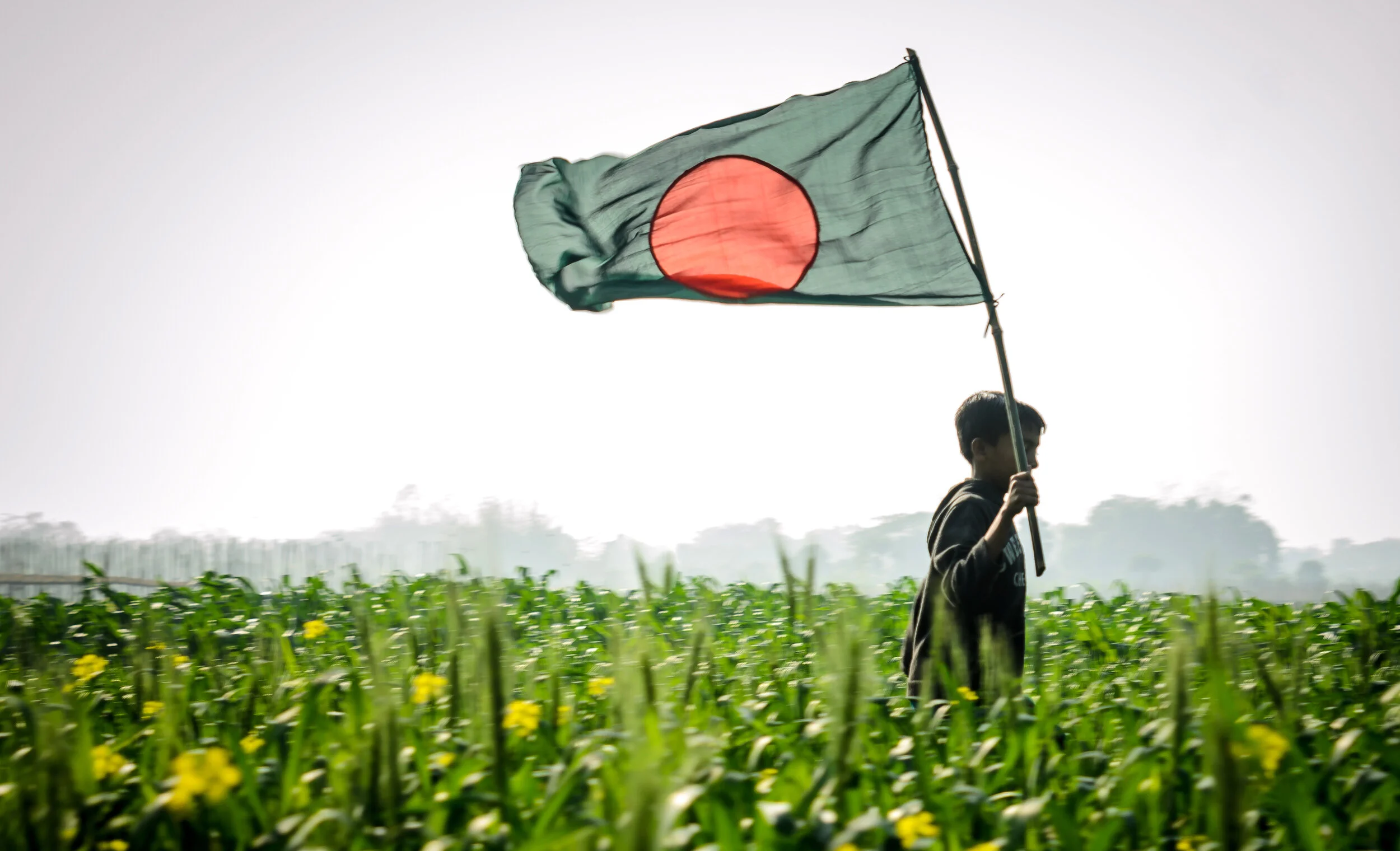
Billions in Chinese investment have come as the Indo-Bangla relationship has soured over the passage of India’s Citizenship Amendment Act (CAA). Thousands in Bangladesh protested the controversial law, perceived as anti-Muslim and harshly punitive toward Bengalis.
Developing a twin-track process of economic support and civil society engagement is a substantial challenge as trust in the international community within Myanmar is low. It remains hard for outside players, especially Western actors, to exert influence in the country’s peace process, legislation, and ministries.
There will likely be a great deal of idealism in Biden’s foreign policy; one example of this is his promise to convene a summit of world democracies within the first year of his presidency. Such a move could start to rebuild key relationships, a talent for which Biden is known.
Chinese scholars reportedly made a case for Tajikistan to 'return’ the Pamir region, which once ‘belonged to China’. This perhaps is a signal that Beijing is keen to develop greater control of territories adjoining the troubled provinces of Xinjiang and Tibet.
With China’s purchasing power over the next decade forecast to grow more than that of the US, Japan, India and Indonesia combined, expect Australian businesses to craft more sophisticated strategies to manage coercive risk, rather than just looking to sell more to other markets.
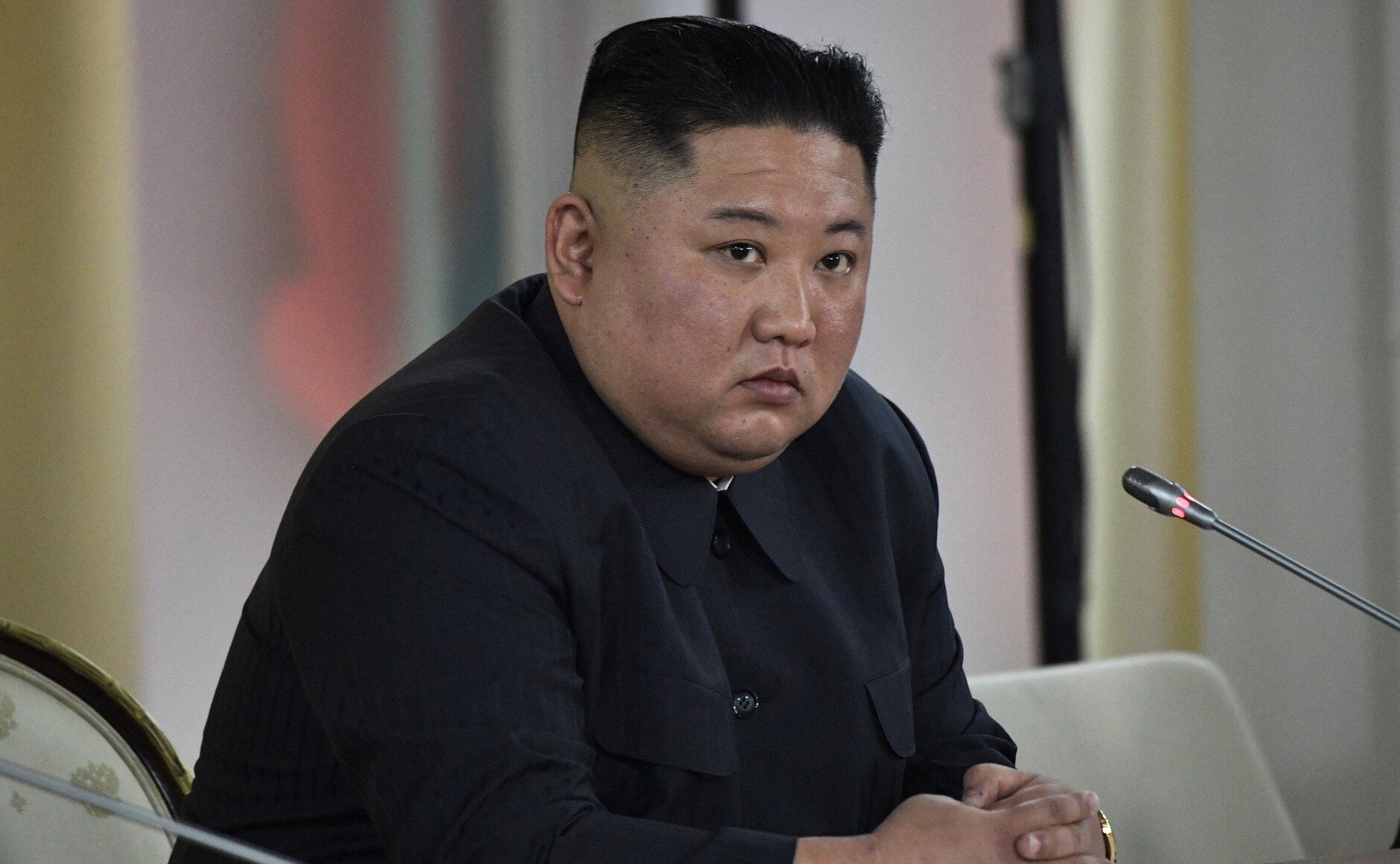
Differences between the current White House and an incoming Biden administration could be thrown into sharp relief in response to an ICBM test-fire by the North, as one is charged (even in its dying days) with protecting the US, while the other is chomping at the bit to set a new course in two months time.
The NLD failed to set clear policies to deal with misinformation or the deliberate spreading of misleading information. Worse, it has targeted journalists and critics of the government for speaking out, while it did nothing to challenge military-linked opponents who spread misinformation.