Written by Jagannath Panda
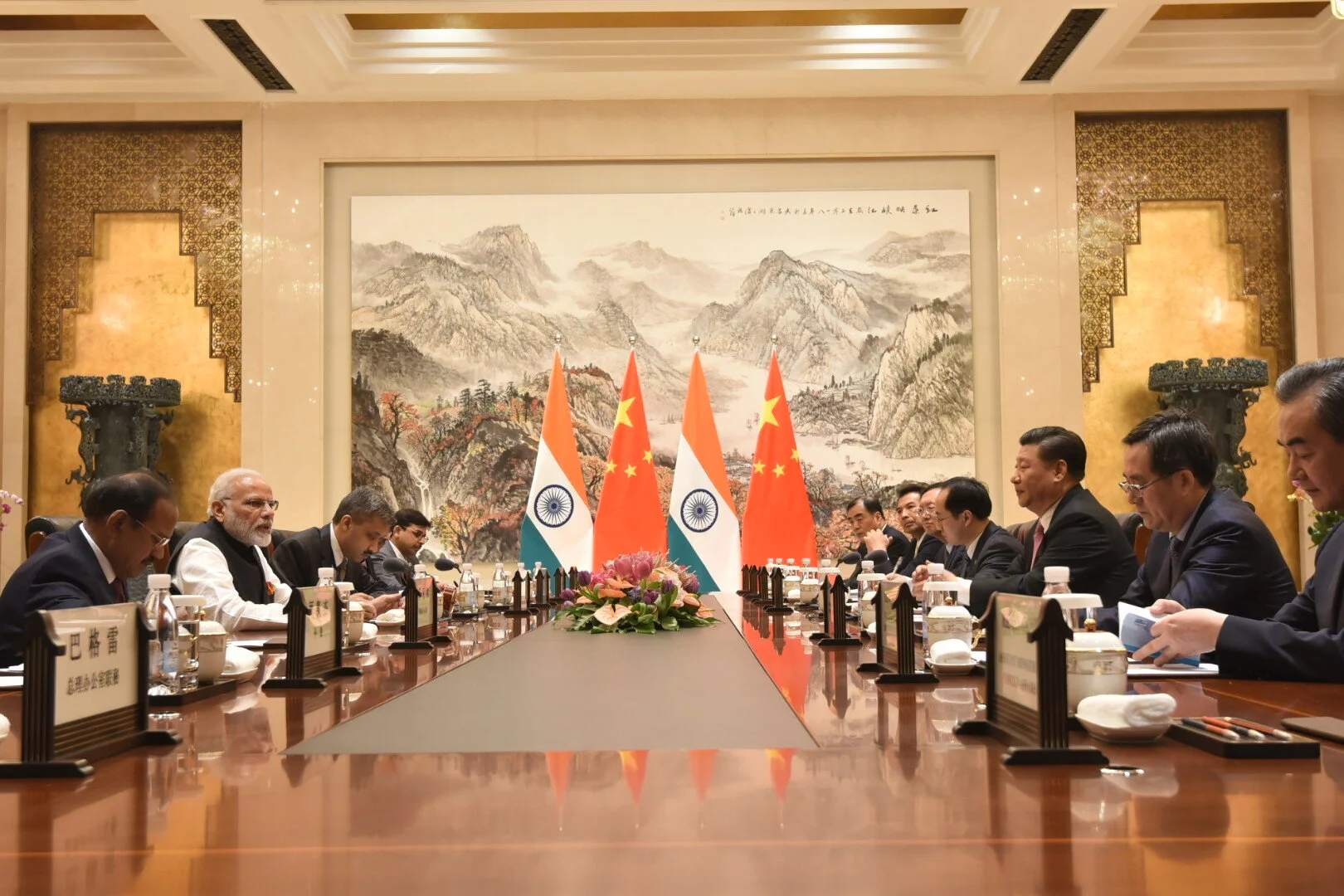
For India, it is becoming increasingly clear that China’s ‘peaceful’ rise is coming to an end. While militarily both nations aim for a peaceful accord, the diplomatic ties between them should and must be changed.
Read MoreWritten by Jagannath Panda
For India, it is becoming increasingly clear that China’s ‘peaceful’ rise is coming to an end. While militarily both nations aim for a peaceful accord, the diplomatic ties between them should and must be changed.
Read MoreWritten by Gokul Sahni
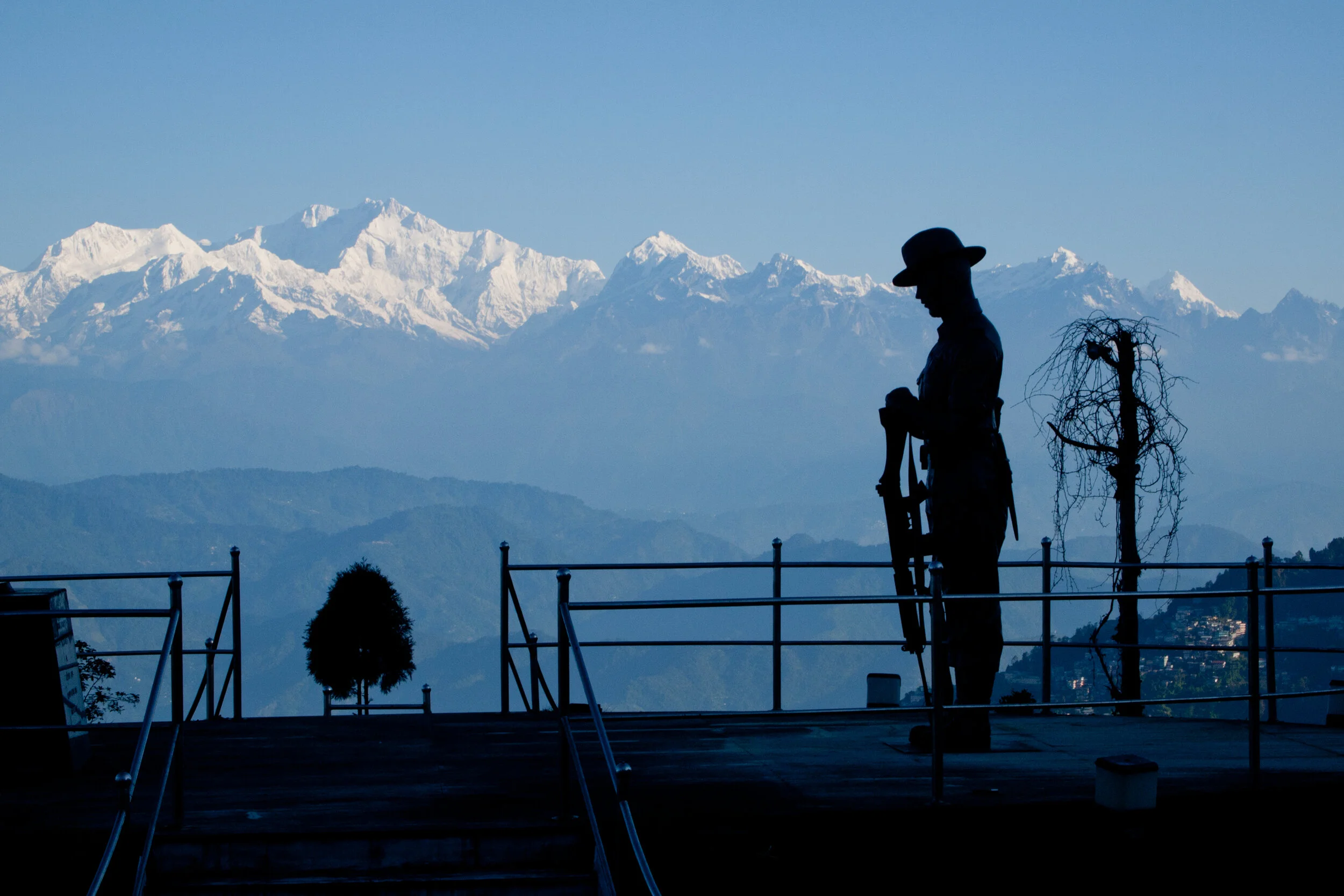
If modern India continues to base its territorial claims from the work of British civil servants like Henry McMahon and William Johnson, it would make sense to understand more on how the sovereign imperial power of the time viewed India’s strategic interests.
Read MoreWritten by Shreya Sinha
It is becoming increasingly important for the European Union to weave the path between China and the US. The EU can play a key role in avoiding a new Cold War between Beijing and Washington by refusing to participate in it.
Read MoreWritten by Niranjan Marjani
India-Australia relations remain to be realized fully. Despite being two major democracies in the Indo-Pacific, ties to Australia remain asymmetric to India’s engagements with other powers like Japan. COVID-19, combined with China’s assertiveness, represents an opportunity.
Read MoreWritten by Gokul Sahni
Will the Indo-Pacific ever see a NATO-like organisation? What would ‘IPTO’ look like? Who would be its member states? Will it even be needed? The answers lie in how events unfurl in the future, with a lot to be decided by Beijing.
Read MoreWritten by Melissa Conley Tyler and Pravin Silva
China’s return has profound implications for Australia. Australia’s security has long benefitted from its remoteness. This advantage would be threatened by the prospect of an ambitious power maintaining a military presence in the South Pacific.
Read MoreWritten by Aneedrisha Hazarika
Since India enunciated the Look East policy, Singapore has become a crucial link to India’s approach to Southeast Asia. Singapore has been India's strongest supporter, advocating for India's entry as a player in the region’s multilateral dynamics.
Read MoreWritten by Grant Wyeth
Since the Second World War, Australia and New Zealand have been the dominant cultural, economic and military powers in the South Pacific. Beijing’s recents moves to push Taiwan out of the region however now sees China operating closer to both countries than ever before.
Read MoreWritten by Angana Guha Roy
ASEAN lies in the middle of a battle for influence in Southeast Asia, by both China and Japan. Under Shinzo Abe, Japan has sought closer ties to the trading bloc and in seeking to decouple from China, may double down on trade ties.
Read MoreWritten by Akash Sahu
The aggressive stance of Islamists in Indonesia towards the CAA, and India’s mishandling of the February riots in New Delhi has damaged ties between India and Indonesia. With both democracies facing a major health crisis, they must work together to defeat COVID-19.
Read MoreWritten by Rajeswari Pillai Rajagopalan
As long as China continues with its aggressive maneuvering in India’s backyard, New Delhi will be compelled to engage in diplomatic efforts in pursuit of more strategic options and to reduce its relative material vulnerabilities.
Read MoreWritten by Rajesh Rajagopalan
India’s strategy is a mixed one, one of balancing China while also attempting to reassure it. But as I point out in a recent essay in International Affairs, I am skeptical that this mixed strategy can work.
Read MoreWritten by Gokul Sahni
More significantly for India, all three countries will want their hard-earned gains to be preserved, which translates into support for the continuation of the rules-based international order which remains necessary for them to thrive.
Read More