The strategic case against Japan's rice tariffs
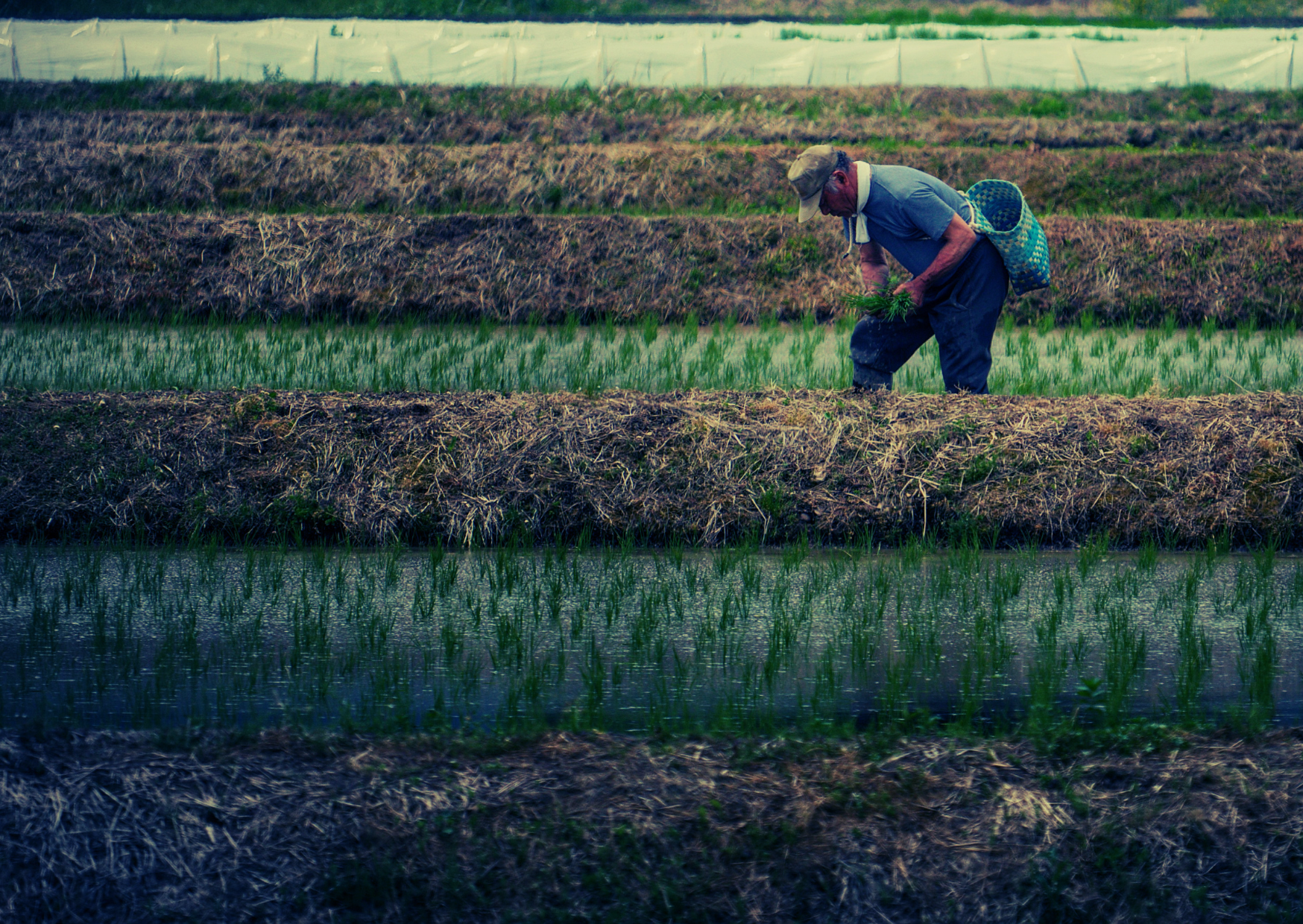
The strategic case against Japan’s rice tariffs
WRITTEN BY WILLIAM FORD
4 August 2026
In Japanese, the words for “boiled rice” and “meal” are identical, reflecting the central place of rice in the country’s daily life and culture. Yet despite its importance, Japan maintains tariffs of about 400 per cent on rice imports exceeding its World Trade Organisation (WTO) minimum-access quota. These barriers have remained in place even as a severe rice shortage that began in early 2025 doubled rice prices. Reducing Japan’s rice tariffs or increasing its import quota could not only alleviate domestic suffering, but also create an opportunity to strengthen its ties with Southeast Asian rice exporters such as Vietnam and Thailand. At a time when these countries are increasingly important strategic and economic partners, greater agricultural trade could reinforce Japan’s broader ambition to lead on regional security and economic cooperation.
Japan’s agricultural policies
As the world's fourth-largest economy and a regional powerhouse, Japan is an essential part of the institutional trade architecture of the Asia Pacific: a member of the Comprehensive and Progressive Agreement for Trans-Pacific Partnership (CPTPP), Regional Comprehensive Economic Partnership (RCEP), and numerous bilateral Economic Partnership Agreements (EPAs). Despite its strong involvement in regional free trade agreements, its rice market remains heavily protected. Under WTO guidelines, Japan has a quota system on rice imports, with heavy tariffs levied on imports beyond 770,000 tonnes. These tariffs are a major reason why Japanese consumers routinely pay two to three times as much as Americans for rice. Rice imports are strictly controlled by the Japanese Ministry of Agriculture, Forestry, and Fisheries.
Japan’s restrictions are similar to those of South Korea and Taiwan, but far higher than those of other regional players such as the Philippines and China. These tariffs remain in place even as rice shortages contributed to significant public discontent with the Ishiba administration last year. The government released part of its emergency rice stockpile in May 2025, but with little effect on prices.
If the Takaichi administration makes the difficult decision to lower rice tariffs or expand import quotas, it could bring down rice prices for Japanese consumers while also strengthening Japan’s partnerships with Southeast Asian rice exporters.
These protectionist policies remain deeply entrenched due to Japan’s powerful and well-connected agricultural lobby, which holds substantial political leverage in electorally important rural districts even though agriculture accounts for only 1 per cent of Japan’s GDP. This makes rice liberalisation a “taboo” topic in trade negotiations, as lowering tariffs could result in electoral losses for the incumbent Liberal Democratic Party (LDP) in these districts. The 2025 rice crisis, however, forced a long-overdue reckoning with the impact of these policies, with then-Agricultural Minister Shinjiro Koizumi suggesting emergency rice imports. The reformist Japan Innovation Party (JIP) went further, proposing more far-reaching measures and acknowledging protectionism as a key reason for soaring rice prices. Although full liberalisation is likely off the table, reforms previously considered unthinkable — such as temporary tariff reductions and an expanded ceiling for rice imports — have entered political debate in Japan. While a bill seeking to address the rice crisis through stockpiling and production was introduced during the 221st Diet in February 2026, no legislation on import liberalisation has been formally proposed. For now, the case for lowering rice tariffs commands more attention among analysts than in the Diet itself.
A window of opportunity
As Japan weighs the prospect of importing more rice, other neighbours are erecting trade barriers to protect their domestic rice producers. Since 2022, China has steadily reduced rice imports as part of broader efforts to strengthen domestic agricultural capacity. Likewise, the Philippines has periodically enacted rice import caps to support local farmers. These developments, along with other factors such as a stronger Baht and competition from India, have put pressure on rice exporters in Thailand and Vietnam. The value of Vietnamese rice exports fell by 11 per cent from 2024 to 2025, with Thai rice exports dropping by 21 per cent year-on-year for most of 2025. It is therefore unsurprising that officials from both countries have expressed interest in exporting more rice to Japan.
If Japan were to ease its rice restrictions by expanding the quota of duty-free rice or lowering tariffs, it could provide economic opportunities for Southeast Asian farmers who have been hit hard by falling export revenues. With Vietnamese farmers growing short-grain rice popular in Japan and Japanese consumers becoming more willing to embrace foreign rice, Japan’s demand is well-aligned with Thai and Vietnamese export capacity.
Lowering import barriers to comparatively cheaper Vietnamese and Thai rice could help meet domestic demand and bring down prices. A recent shipment of Vietnamese rice sold to Japan for USD 820 per tonne — well above the average regional price of USD 650–700 per tonne — illustrates how distorted the Japanese rice market is. Yet the benefits of liberalisation would extend beyond economics. Trade can deepen alliances through economic interdependence, as demonstrated by US economic diplomacy during the Cold War. By reducing its tariffs on rice imports, Japan could strengthen its economic and political ties with Southeast Asian countries whose role in critical mineral and technology supply chains is increasingly important to Japan’s long-term strategic interests.
Rice imports could also open the door to broader economic engagement with the region, particularly as Japan seeks to reduce its dependence on China. Vietnam and Thailand already trade in many of the same products that underpin Japan’s trade with China, such as integrated circuits and semiconductor-related parts. This makes them valuable alternative markets for Japanese exports and potential suppliers of essential imports Japan currently sources from China.
Japan is already strengthening its security and diplomatic ties with Southeast Asian partners, providing billions in Official Security Assistance and cooperating on measures ranging from anti-piracy to military preparedness. Several Southeast Asian states have reciprocated, with Vietnam in particular keen to expand its partnership with Japan. As China tests East Asian countries with “grey zone” manoeuvres and the US appearing increasingly distracted from the region, Japan and its Southeast Asian neighbours have a shared interest in hedging against Beijing with regional partners. Lowering rice tariffs could deepen that cooperation through economic integration.
A geopolitical win for Japan?
By lifting tariffs or increasing the rice import cap, Japan could send a powerful message about its commitment to the rules-based economic order that has brought prosperity to Southeast Asian economies through export-led growth. As US President Trump’s tariffs spark international backlash and China increases its use of economic coercion, Japan has a golden opportunity to present itself as an advocate of the free trade principles important to many Southeast Asian countries. In a region that does not want to choose between the US and China, reducing its steep rice tariffs would strengthen Japan’s image as a reliable economic partner for Southeast Asian states.
Advocates for Japan’s rice policies argue that restrictions promote domestic food security by maintaining self-sufficiency. Yet the recent rice crisis has revealed the vulnerabilities of Japan’s domestic rice industry, showing how readily it can be exposed to supply shocks driven by extreme weather, natural disasters, and even speculation. Greater flexibility to import rice would help Japan respond to supply shocks more effectively, ensuring it can meet domestic demand.
If the Takaichi administration makes the difficult decision to lower rice tariffs or expand import quotas, it could bring down rice prices for Japanese consumers while also strengthening Japan’s partnerships with Southeast Asian rice exporters. Such reforms would require considerable political capital due to the entrenched interests behind Japan’s protectionist rice policies, but given the economic and geopolitical advantages Japan could gain by doing so, it may be more costly not to.
DISCLAIMER: All views expressed are those of the writer and do not necessarily represent those of the 9DASHLINE.com platform.
Author biography
William Ford is a recipient of the Diplomacy Scholarship and a research assistant studying economics and international relations at Brigham Young University. Views expressed are his own. Image credit: Dep377/Pixabay.