This week, we speak with Pavin Chachavalpongpun, Founder of 112Watch and Professor at Kyoto University, about Thailand’s lèse-majesté law (Article 112), political repression in Thailand and Southeast Asia, defending civic space, and the future of the movement against Article 112.
Read MoreWritten by Hunter Slingbaum
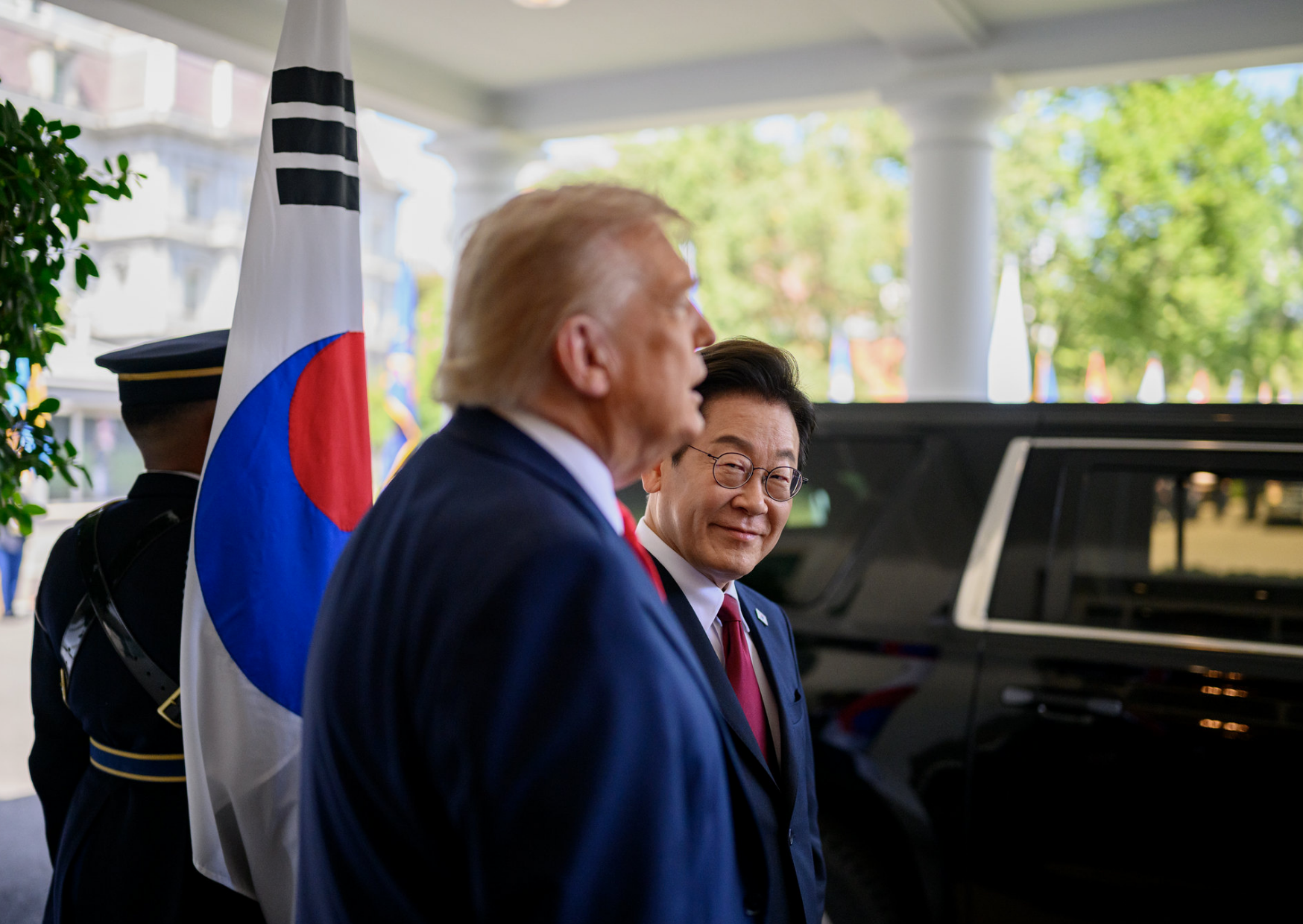
South Korea may have resisted Trump’s calls to extend military support to Iran, but new demands will come, and its leaders must remain clear-eyed as they chart a path to defensive independence. The country faces a choice: stretch the bounds of its own national interest to maintain its model ally status, or set firm red lines with its capricious security guarantor.
Read MoreWe are seeking a driven and self-motivated individual to join our editorial team.
Please see the attached details.
Read MoreThis month’s brief examines the resurgence of political mobilisation in India, where youth-led protests have evolved into a broader challenge to the Modi government’s legitimacy, exposing the limits of coercion and the erosion of public consent. Alongside this, our regional review explores an Indo-Pacific caught between mounting domestic discontent and intensifying external pressures, as geopolitical rivalry, economic insecurity, and climate shocks test governments’ resilience and capacity for cooperation.
Join our briefing today and stay ahead of the curve.
Read MoreWritten by Gabrielle Sorensen
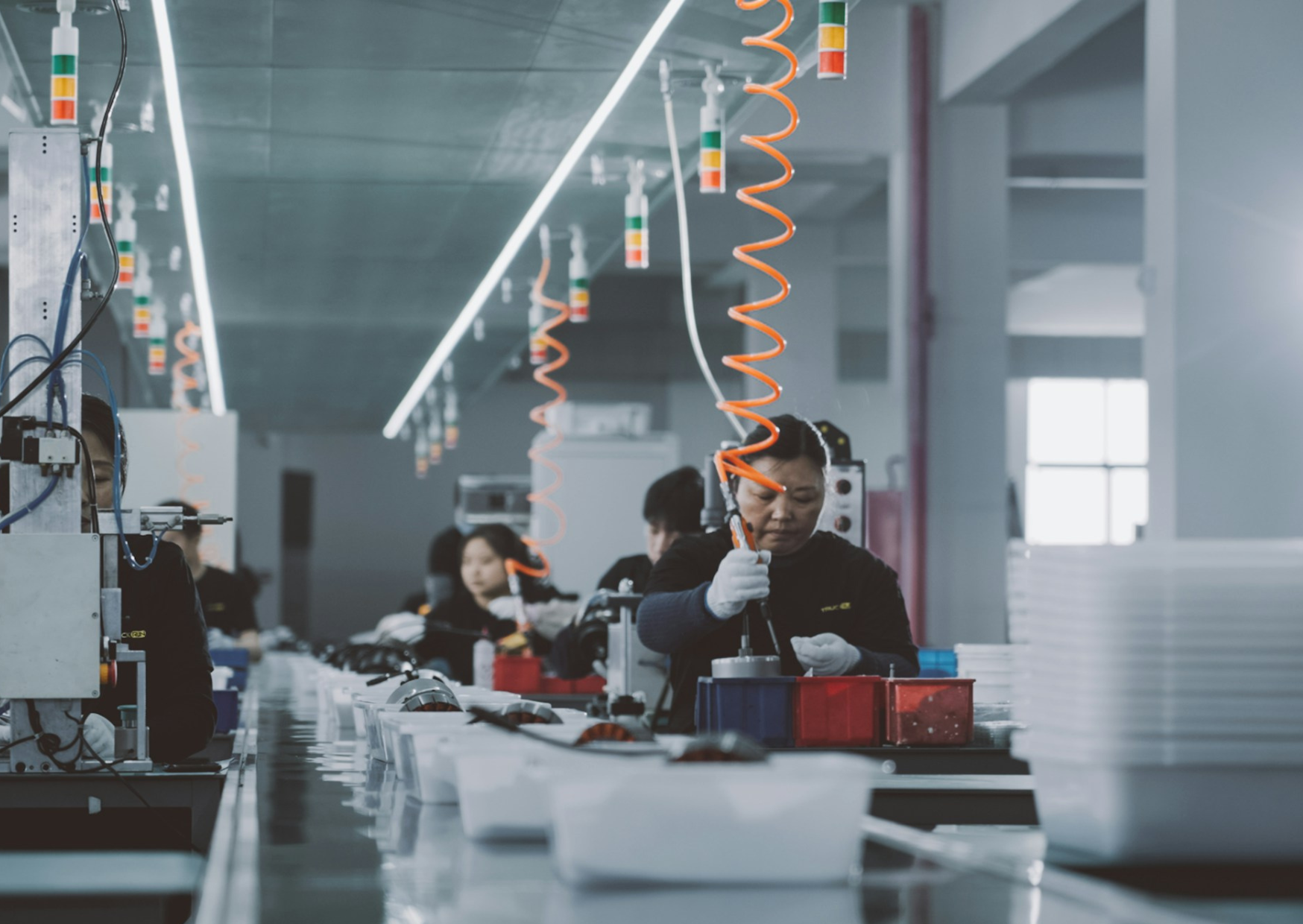
The gap between what China produces and what its households can buy will not close on its own. Managing a problem is not the same as fixing it, and deferring structural reform means the costs of that deferral accumulate.
Read MoreWritten by David Matijasevich
Canadian foreign policy under Prime Minister Mark Carney has turned away from its long-held liberal internationalist position, and realism appears to be trumping values. Recent interviews with Singaporean civil society activists examine the ways in which Canadian engagement would be appreciated by those engaged in local democratic and rights-oriented struggles.
Read MoreIn this episode, Zsuzsa Anna Ferenczy and Richard Heydarian are joined by Dr Louise Marie Hurel, Senior Research Fellow at the Royal United Services Institute to discuss how Europe and ASEAN can best navigate an increasingly complex AI landscape.
Subscribe now and never miss an episode.
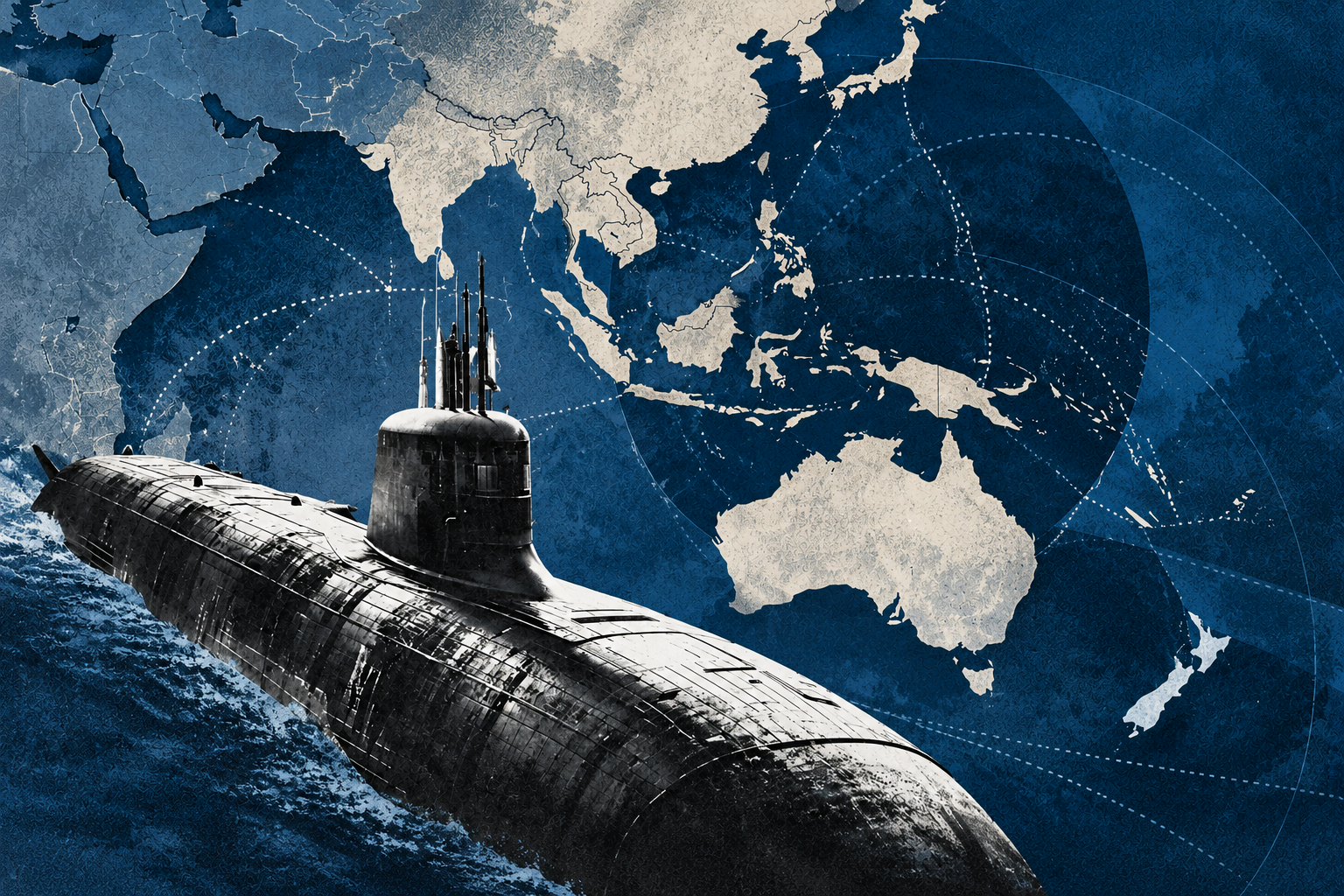
Read MoreA decade after Japan launched its Free and Open Indo-Pacific (FOIP) vision, tensions between AUKUS and Pacific Island security priorities are reshaping regional geopolitics. As AUKUS strengthens military deterrence, Pacific nations prioritise climate security, sovereignty and nuclear non-proliferation. We invite several leading experts to examine whether competing security visions threaten regional stability, intensify US-China rivalry and undermine FOIP’s principles of peace and cooperation.
Read MoreWritten by Luana Correia
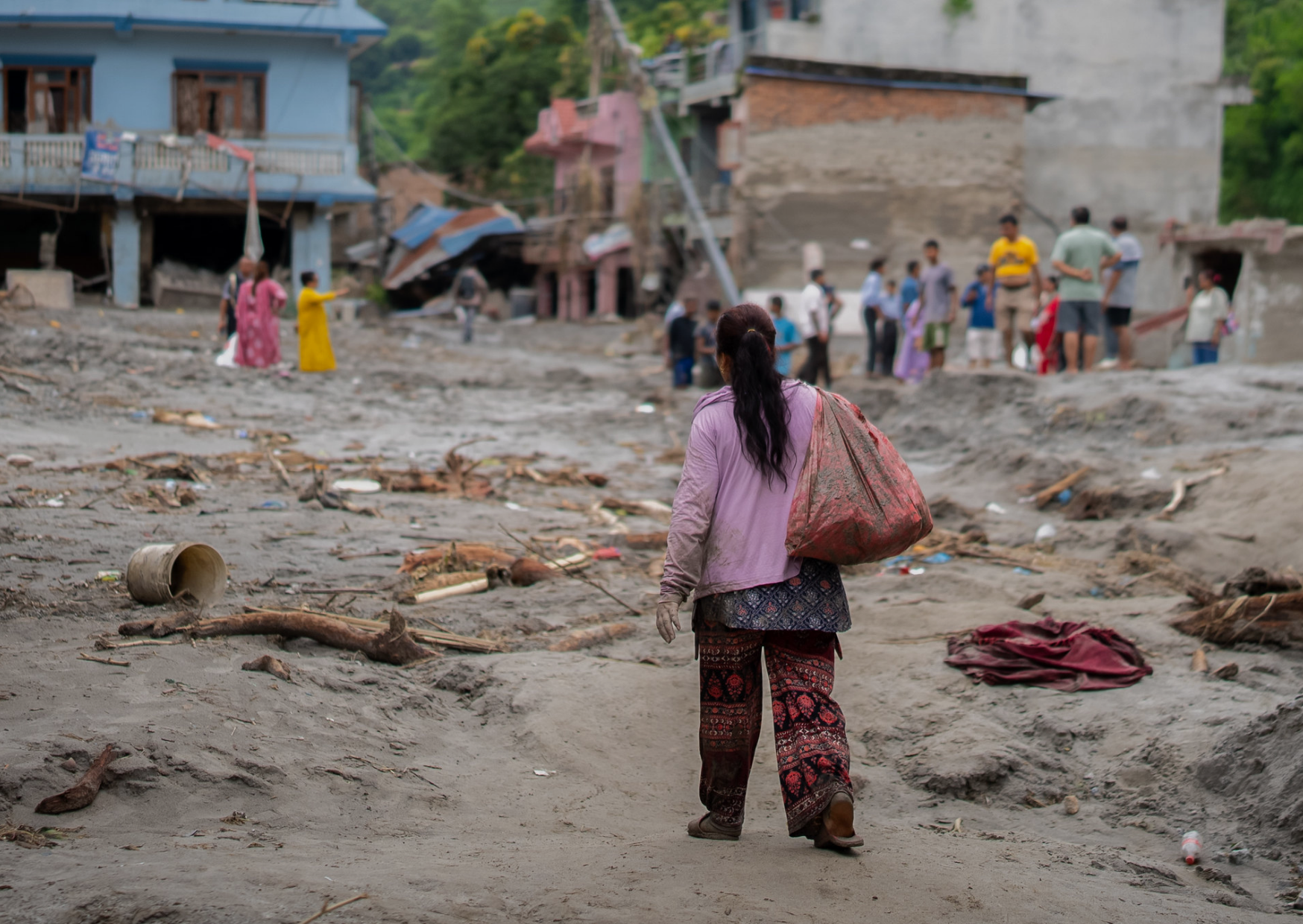
While the impacts on the region are imminent and unavoidable, they can be minimised through adequate adaptation and mitigation efforts. This requires wealthier, more capable actors to strengthen their multilateral climate finance commitments and provide impacted nations such as Nepal with strong reconstruction and recovery support.
Read MoreAhead of the 2026 Shanghai Cooperation Organization (SCO) summit in Bishkek (31 Aug – 1 Sept), 9DASHLINE spoke with Dr. Eva Seiwert about her new book, The Shanghai Cooperation Organization and China’s Vision of International Relations. Marking the SCO’s 25th anniversary, Dr. Seiwert draws on Chinese-language sources and interviews to examine how Beijing leverages the alliance to shape an alternative international order and navigate modern geopolitical crises.
Read MoreWritten by Erdem Lamazhapov
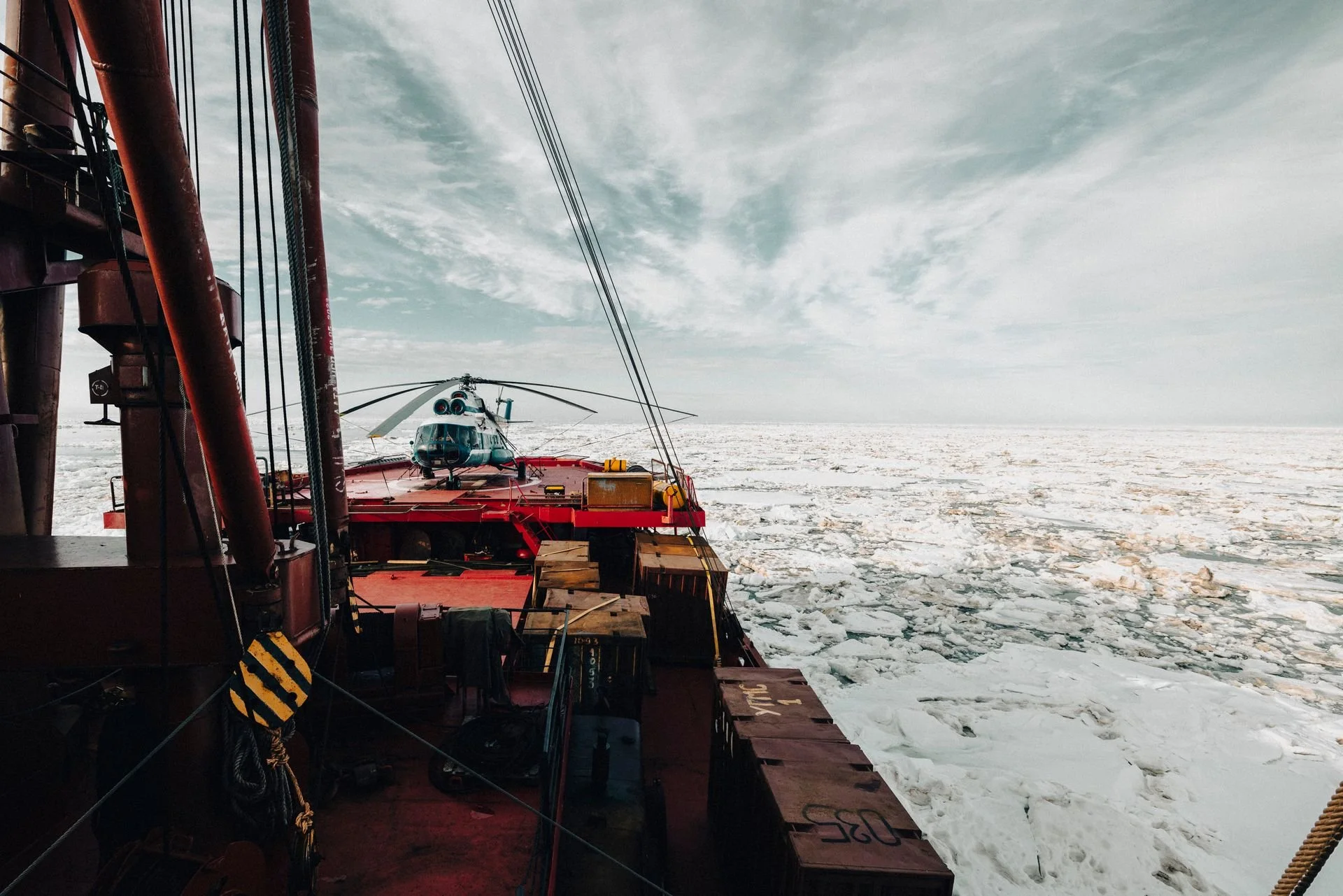
Fears that the Polar Silk Road is an instrument for gaining control in the Arctic or over Greenland mistake what is essentially a slogan for a coherent, centrally-directed strategy. Still, while the slogan is heard less frequently these days, it has not yet fallen into obscurity. Under the right conditions, China might find it useful to defrost the Polar Silk Road.
Read MoreThis month’s briefs examine a shifting Indo-Pacific security architecture, where expanding defence partnerships meet growing uncertainty over traditional alliances. New Zealand’s move to acquire strike drones highlights a more operational Pacific security landscape, while South Korea’s experience exposes the limits of “model allyship” with Washington. Alongside this, our regional review explores how states are adapting to a less predictable strategic environment.
Join our briefing today and stay ahead of the curve.
Read MoreWritten by Stan Kwiatkowski
The time to reduce exposure is before a mobilisation order is issued, not after.
Read MoreWritten by Sapna Suresh
Should a future RN government end up pushing for protectionist policies, New Delhi should work towards diversifying its economic partnerships across other EU member states.
Read MoreWritten by Arijit Mazumdar
Giving diasporas a working system, proper funding, and, in Vietnam’s case, an actual address turns a sentimental tie into a resource a government can use, whether the goal is investment, skilled return migration, or simply a more organised constituency willing to speak well of home.
Read MoreWritten by Ambika Vishwanath and Priyanka Bhide
The growing number and diversity of disasters in the Indo-Pacific region call for a more methodical approach between countries that share borders.
Read MoreWritten by Eve Register
The protection of human rights has long been a founding principle of the EU. While the GSP+ programme represents an opportunity to advance this goal, human rights will remain subordinated to other priorities as long as the Commission leverages the programme to extract strategic advantage.
Read More